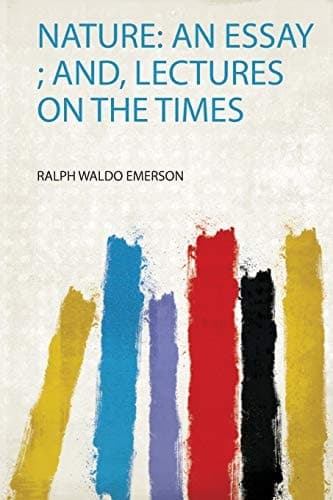
Nature An Essay; And, Lectures on the Times
Ralph Waldo EmersonPublished2019
Pages144
Formatpaperback
PublisherHardPress
Synopsis
This is a reproduction of the original artefact. Generally these books are created from careful scans of the original. This allows us to preserve the book accurately and present it in the way the author intended. Since the original versions are generally quite old, there may occasionally be certain imperfections within these reproductions. We're happy to make these classics available again for future generations to enjoy!
Recommendations
Generating recommendations…
Our AI is preparing recommendations for Nature An Essay; And, Lectures on the Times. This usually takes under a minute.
About Ralph Waldo Emerson
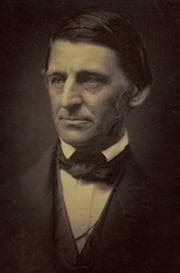
Ralph Waldo Emerson
1803–1882
Ralph Waldo Emerson was an American philosopher, essayist, and poet, best remembered for leading the Transcendentalist movement of the mid-19th century. His teachings directly influenced the growing New Thought movement of the mid-1800s. He was seen as a champion of individualism and a prescient critic of the countervailing pressures of society. Emerson gradually moved away from the religious and social beliefs of his contemporaries, formulating and expressing the philosophy of Transcendentalism in his 1836 essay, Nature. As a result of this ground-breaking work he gave a speech entitled The American Scholar in 1837, which Oliver Wendell Holmes, Sr. considered to be America's "Intellectual Declaration of Independence". Considered one of the great orators of the time, Emerson's enthusiasm and respect for his audience enraptured crowds. His support for abolitionism late in life created controversy, and at times he was subject to abuse from crowds while speaking on the topic. When asked to sum up his work, he said his central doctrine was "the infinitude of the private man." ([Source][1]) [1]: http://en.wikipedia.org/wiki/Ralph_Waldo_Emerson
View author page