New Larousse Encyclopedia of Mythology
Robert GravesPublished1968
Pages500
Formathardcover
PublisherPutnam
Synopsis
A comprehensive reference guide to ancient and prehistoric legend, exploring the folklore and mythology of every nation and civilization
Recommendations
The Golden Bough A Study in Magic and Religion
by James George Frazer
Frazer's anthropological masterwork shares Graves's scholarly obsession with tracing mythological patterns across cultures, but he approaches it as detective work—hunting for the universal human rituals hiding beneath surface differences. Where Graves catalogs, Frazer theorizes about *why* these stories recur, making it the perfect companion for someone who's finished one encyclopedia and wants to understand the deeper architecture underneath.
View book
American gods
by Neil Gaiman
Gaiman takes the mythological reference material you've just absorbed and asks: what if all those gods were real and immigrated to America? He weaves Norse, African, Hindu, and Native American mythology into a contemporary road narrative, so you'll recognize the threads from Graves while watching them come alive in diners and roadside attractions. It's mythology as living, breathing fiction rather than historical catalog.
View book
The Modern Antiquarian A Pre-millennial Odyssey Through Megalithic Britain : Including a Gazetteer to Over 300 Prehistoric Sites
by Julian Cope
Published in 1958, this is a deliberately obscure choice—Kazantzakis takes Homer's Odyssey (which Graves covers extensively) and continues it for 33,000 lines, aging Odysseus into a wandering ascetic who encounters modern philosophical and spiritual crises. It's what happens when a 20th-century writer refuses to let classical mythology stay safely in the past, instead using it to grapple with existential questions. Dense and challenging, but revelatory if you want mythology to *mean* something urgent.
View book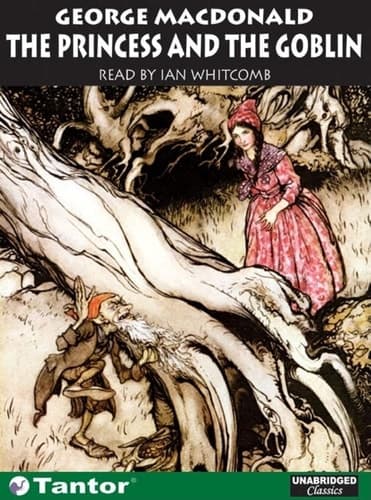
The Princess and the Goblin
by George MacDonald
Here's your genre surprise: this is a quiet, character-driven fantasy novel with no battle scenes, but it's saturated with the kind of intricate mythological worldbuilding you've been studying—court rituals that function like religious ceremonies, naming conventions that carry genealogical weight, a protagonist learning to navigate a culture's unwritten mythic rules. Addison builds her secondary world the way Graves catalogs real ones: with meticulous attention to how societies encode meaning into custom and language.
View book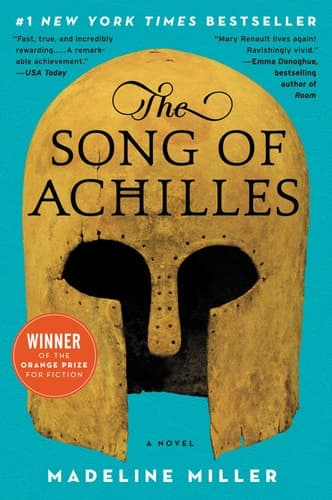
The Song of Achilles A Novel
by Madeline Miller
Miller takes a figure from the Greek mythology you've just finished reading and asks the question Graves's encyclopedia can't: what was his *inner life*? She reimagines the Trojan War through Patroclus's perspective, treating the mythological source material as a skeleton she can flesh out with psychology and intimacy. It's a love letter to classical mythology that also gently interrogates what gets left out of the historical record—perfect for someone who's just absorbed the canonical versions and might be curious about the stories underneath.
View bookAbout Robert Graves
Biography coming soon.
View author page