Synopsis
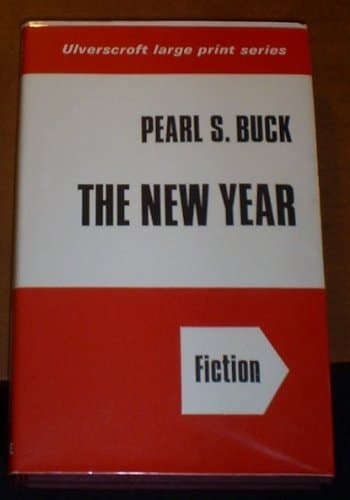
Set in the United States and in Korea. A woman brings back her husband's illegitimate son from Korea.
Recommendations
The Warmest Room in the House: How the Kitchen Became the Heart of the Twentieth-Century American Home
by Steven Gdula
Like Buck, Grissom explores what happens when someone from outside a family structure enters and disrupts the carefully maintained order—here, an indentured servant girl becomes the emotional center of a plantation household. Both novels examine how love and obligation can coexist uncomfortably, and how families are built through circumstance rather than blood alone.
View book
The remains of the day de Kazuo Ishiguro
by Gallix/François
Ishiguro does what Buck does so well—he lets you gradually understand what his protagonist has sacrificed and denied himself, revealing the emotional cost of duty and propriety through careful restraint. Both novels hinge on a central act of acceptance that changes everything, told by narrators who struggle to articulate what they actually feel.
View book
The Same River Twice A Boatman's Journey Home
by Michael D. Burke
This is your surprise pick—it's a gothic horror novel, but what makes it work is its emotional core about a mother protecting her child and the secrets families keep across generations. Davidson writes with the same attention to the interior lives of women that Buck does, but sets it in a world of Southern Gothic atmosphere and genuine strangeness.
View book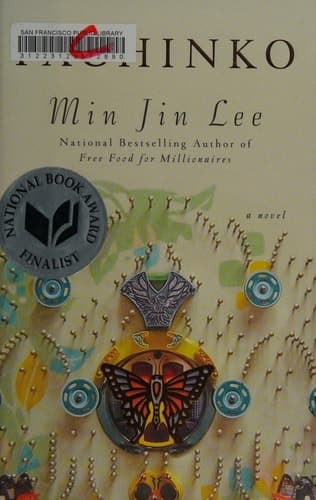
Pachinko (National Book Award Finalist)
by Min Jin Lee
Lee traces four generations of a Korean family across decades and continents, capturing the exact tension Buck explores—how people navigate between cultures, how shame and survival shape choices, and how love persists despite impossible circumstances. The scope is larger, but the intimate emotional truth is the same.
View book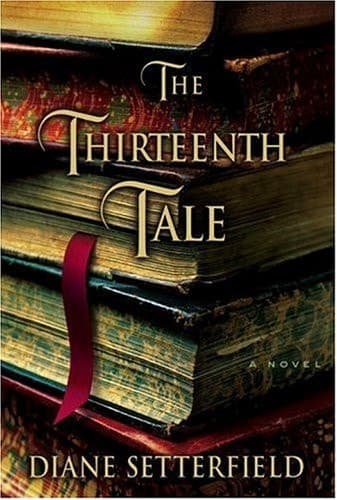
The Thirteenth Tale
by Diane Setterfield
Setterfield constructs a mystery about what a mother owes her children and what children owe their mothers, unraveling it through nested stories the way Buck peels back layers of obligation and love. Both authors understand that family bonds are often forged through deception and acceptance rather than honesty, and both write with genuine tenderness about that paradox.
View bookAbout Pearl S. Buck
P
Pearl S. Buck
1892–1973
Pearl S. Buck had always lived in China except for the time she spent in the United States when she was being educated. She studied at Randolph-Macon College and at Cornell University. She taught at the University of Nanking and at the Government University in Nanking under two national regimes. She lived in Nanking during the 1930's. *The Good Earth* was Mrs. Buck's second published novel. *East Wind: West Wind* appeared under the John Day imprint in 1930. She contributed articles and stories to various magazines, among them *The Atlantic Monthly, The Nation*, and *Asia*.
View author page