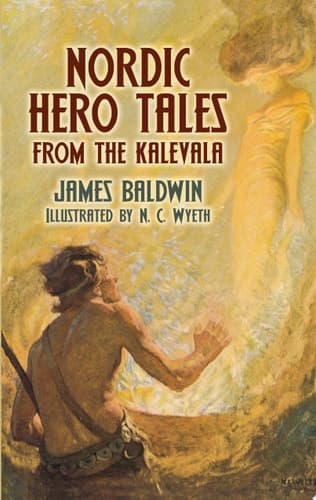
Nordic Hero Tales from the Kalevala
James BaldwinPublished2006
Pages224
Formatpaperback
PublisherCourier Corporation
Synopsis
A homesick hero, a pair of friendly rivals, a triumphant bridegroom, and a golden maiden populate the pages of this treasury, a collection of awe-inspiring stories from Finnish mythology. Assembled by educator James Baldwin, a specialist in adapting ancient narratives into captivating prose, these 38 entrancing tales are drawn from the oral traditions of the Finnish national epic, the Kalevala.
The Kalevala spans many ages, from the beginning of the earth to the remote past, long before its legends were sung and chanted in humble homes and grand palaces alike. Its tales of heroes and gods center on the fate of a sampo, a highly prized and jealously guarded magical artifact. J. R. R. Tolkien was much influenced by this fantasy cycle of the Far North, and readers of all ages continue to fall under its spell. This edition of the beloved classic features four magnificent illustrations by N. C. Wyeth.
Recommendations

The Prose Edda of Snorri Sturluson Tales from Norse Mythology
by Snorri Sturluson
Since you've clearly fallen for Baldwin's gift for making ancient mythologies feel alive and immediate, Sturluson's Norse equivalent offers that same sense of gods and heroes as real characters with petty squabbles and genuine stakes. The Kalevala's focus on the sampo as a magical object that drives the entire narrative finds its parallel in how Sturluson weaves the fate of the Nine Worlds around concrete, tangible artifacts and quests.
View book
The Apocalyptic Vision of Mikhail Bulgakov's the Master and Margarita (Studies in Slavic Language & Literature)
by Edward E. Ericson
This is the surprise pick, but hear me out: Bulgakov does something remarkable with narrative structure that Baldwin also achieves—he weaves multiple timelines and mythic storytelling into a single work that feels both fantastical and deeply human. Where the Kalevala's tales build toward the sampo's fate, Bulgakov's novel spirals around questions of art, power, and redemption across centuries, using magical realism to explore what stories actually mean.
View book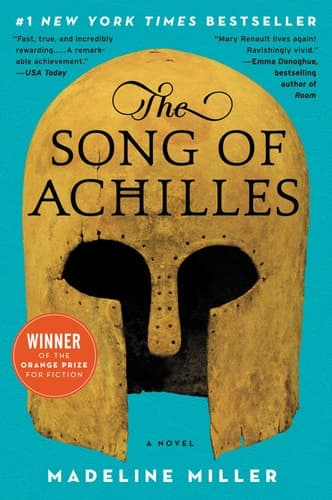
The Song of Achilles A Novel
by Madeline Miller
Miller does for Greek mythology what Baldwin does for Finnish—she takes the raw material of ancient epic and finds the emotional truth underneath, particularly in how she handles the 'friendly rivals' dynamic you encountered in the Kalevala tales. Her prose has that same luminous quality that makes gods and heroes feel like people you could actually know, and the way she builds toward inevitable tragedy mirrors how the Kalevala's best stories work.
View book
Elidor
by Alan Garner
Published in 1965, this is a different era's approach to what Baldwin's doing—Garner takes children into a world where ancient magic is real and dangerous, and the way he builds his mythology from fragments and half-remembered stories feels like you're piecing together your own Kalevala. The magical artifacts here carry genuine weight and consequence, and Garner's spare, precise prose makes the fantastic feel utterly concrete.
View book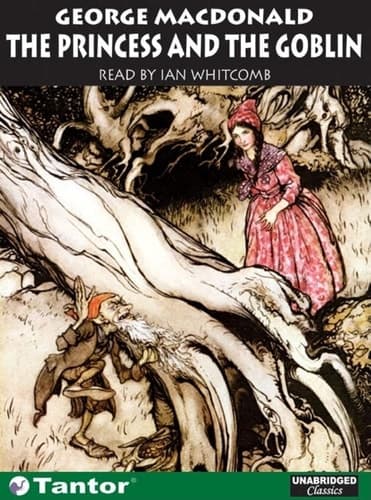
The Princess and the Goblin
by George MacDonald
What might seem like a departure actually shares the Kalevala's interest in how ordinary people navigate extraordinary circumstances and magical systems they didn't create. Addison builds her world through accumulated detail and cultural specificity the way Baldwin's Kalevala reveals itself—you're learning the rules and stakes gradually, and there's genuine warmth in how characters relate to one another across difference, much like those 'friendly rivals' you enjoyed.
View bookAbout James Baldwin
J
James Baldwin
1924–1987
James Arthur Baldwin was an American novelist, writer, playwright, poet, essayist and civil rights activist. Most of Baldwin's work deals with racial and sexual issues in the mid-20th century in the United States. His novels are notable for the personal way in which they explore questions of identity as well as the way in which they mine complex social and psychological pressures related to being black and homosexual well before the social, cultural or political equality of these groups was improved. Source and more information: https://en.wikipedia.org/wiki/James_Baldwin
View author page