Synopsis
Monumental verse.
The poetry of Horace (born 65 BC) is richly varied, its focus moving between public and private concerns, urban and rural settings, Stoic and Epicurean thought. The Loeb Classical Library edition of the great Roman poet's Odes and Epodes boasts a faithful and fluid translation and reflects current scholarship.
Horace took pride in being the first Roman to write a body of lyric poetry. For models he turned to Greek lyric, especially to the poetry of Alcaeus, Sappho, and Pindar; but his poems are set in a Roman context. His four books of Odes cover a wide range of moods and topics. Some are public poems, upholding the traditional values of courage, loyalty, and piety; and there are hymns to the gods. But most of the Odes are on private themes: chiding or advising friends; speaking about love and amorous situations, often amusingly. Horace's seventeen Epodes, which he called iambi, were also an innovation for Roman literature. Like the Odes they were inspired by a Greek model: the seventh-century iambic poetry of Archilochus. Love and political concerns are frequent themes; the tone is only occasionally aggressive. "In his language he is triumphantly adventurous," Quintilian said of Horace; Niall Rudd's translation reflects his different voices.
Recommendations
A Commentary on the Satires of Juvenal
by Edward Courtney
Since you've clearly developed a taste for Roman verse, Juvenal offers a fascinating counterpoint to Horace's urbane wit. Where Horace chides his friends with affectionate humor, Juvenal swings a cudgel at Roman society—same cultural moment, radically different temperament. You'll notice how both poets use personal observation to comment on power and morality, but Juvenal's bite is considerably sharper.
View book
The Georgics of Virgil (Bilingual Edition)
by Virgil
Virgil's didactic poem about farming might sound like a departure, but it shares Horace's ability to move seamlessly between the philosophical and the practical, the grand and the intimate. Both poets excel at finding profound meaning in everyday moments—whether that's a friend's birthday or the proper way to tend bees. The translation here captures that same fluid elegance you appreciated in the Horace.
View book
The Dialogues of Plato The Symposium
by Plato
Here's the surprise: Plato's dialogue about love and desire shares Horace's fascination with eros as both a philosophical problem and a lived experience. But instead of lyric verse, you get Socratic conversation—characters arguing about whether love is noble or ridiculous, serious or amusing. It's the same intellectual playfulness you found in Horace's amorous odes, just filtered through Greek philosophy rather than Roman wit.
View book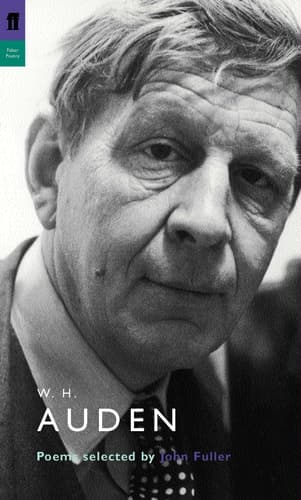
W. H. Auden Poems
by Wystan Hugh Auden
Auden admired Horace enormously and built his own poetic voice partly in conversation with him. You'll find the same range here—public poems about history and politics alongside intimate meditations on friendship and mortality. Auden's twentieth-century sensibility and Horace's Roman one are centuries apart, but both poets share that rare gift of sounding conversational while saying something permanent.
View book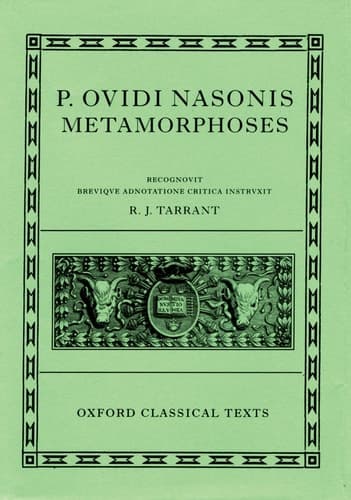
Ovid Metamorphoses
by Ovid
Ovid was Horace's contemporary and fellow Roman poet, but where Horace perfected the short lyric form, Ovid built an epic narrative from myth. Yet both share an almost mischievous delight in human desire, transformation, and the gap between what we intend and what actually happens. If you loved Horace's amusingly frank treatment of love, Ovid takes that same irreverence and stretches it across fifteen books of metamorphic chaos.
View bookAbout Horace
H
Horace
Born 1951
Biography coming soon.
View author page