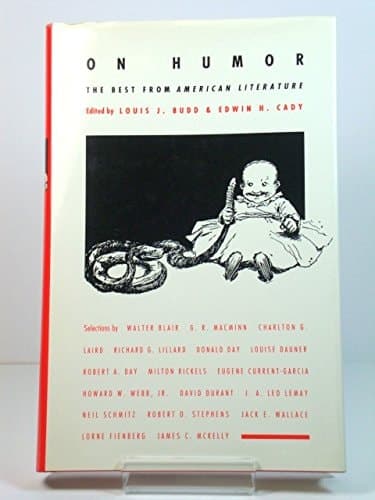
On Humor: The Best from American Literature
Edwin H. CadyPublished1992
Pages288
Formathardcover
PublisherDuke University Press Books
Synopsis
From 1929 to the latest issue, American Literature has been the foremost journal expressing the findings of those who study our national literature. American Literature has published the best work of literary historians, critics, and bibliographers, ranging from the founders of discipline to the best current critics and researchers. The longevity of this excellence lends a special distinction to the articles in American Literature.
Presented in order of their first appearance, the articles in each volume constitute a revealing record of developing insights and important shifts of critical emphasis. Each article has opened a fresh line of inquiry, established a fresh perspective on a familiar topic, or settled a question that engaged the interest of experts.
Recommendations
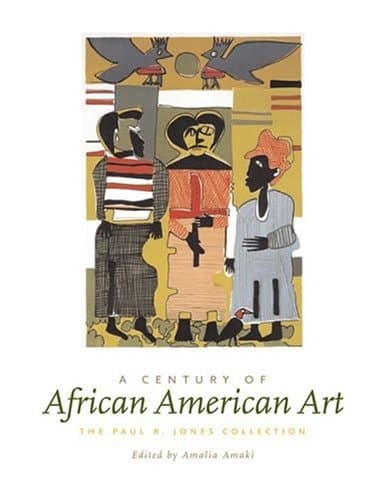
A Century of African American Art The Paul R. Jones Collection
by University of Delaware. University Gallery
Tandy's anthology takes a different curatorial approach than Cady's, organizing American humor chronologically from colonial times through the early 20th century, which lets you see how comedic sensibilities shifted alongside historical events. Where Cady focuses on critical essays about humor, Tandy gives you the actual texts—the jokes, sketches, and comic pieces themselves—so you'll experience the evolution rather than just read about it.
View book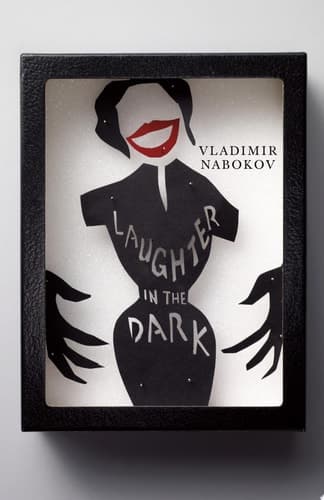
Laughter in the Dark
by Vladimir Vladimirovich Nabokov
This 1932 novel is a masterclass in how humor functions as a narrative tool—Nabokov uses comedy to make readers complicit in a deeply uncomfortable story, which is the opposite of what most humor does. If you appreciated Cady's exploration of how American critics have analyzed humor's mechanics, you'll find Nabokov here demonstrating those mechanics in action, weaponizing comedy to create moral vertigo.
View book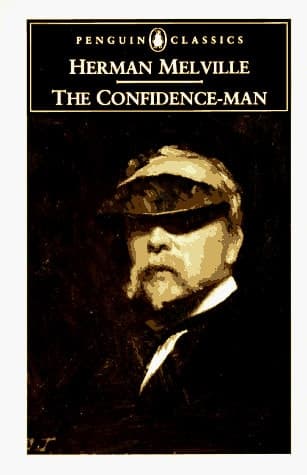
The Confidence-Man His Masquerade
by Herman Melville
Published in 1857, this novel predates your source book by over a century and represents American literature's earlier experiments with satire and con-artist humor. It's a surprise pick because it's Melville's least-read work, but it's essentially a novel-length exploration of how humor operates through deception and social performance—themes that would fascinate the critics Cady anthologizes.
View book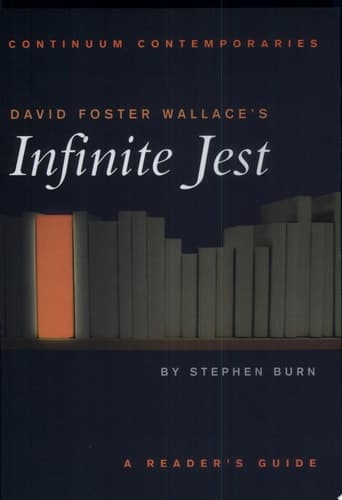
David Foster Wallace's Infinite Jest
by Stephen Burn
Wallace's 1996 meganovel treats comedy and entertainment with the same scholarly intensity that Cady's critical essays bring to humor analysis—characters debate the nature of jokes, a film is literally so funny it kills people, and the entire narrative structure plays with reader expectations about what's supposed to be amusing. It's a novel that reads like it was written by someone who'd read every essay in your anthology and decided to dramatize their arguments.
View book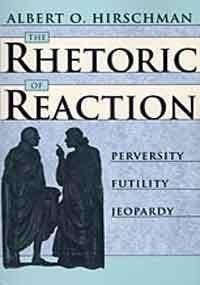
The Rhetoric of Reaction Perversity, Futility, Jeopardy
by Albert O. Hirschman
This 1991 work sits just outside traditional literary criticism but analyzes how humor and rhetorical patterns function in political discourse—it's the kind of cross-disciplinary thinking that modern American literature scholars engage with. If you found yourself curious about *why* certain arguments about American humor matter, Hirschman offers a framework for understanding how language itself operates as persuasion, which is what comedy ultimately does.
View bookAbout Edwin H. Cady
Biography coming soon.
View author page