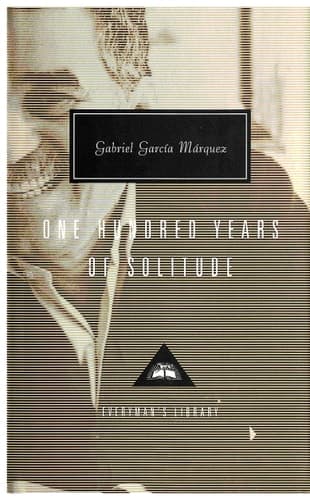
One Hundred Years of Solitude
Gabriel García MárquezPublished1995
Pages416
Formathardcover
PublisherDavid Campbell
Synopsis
Since its publication in 1967, One Hundred Years of Solitude has sold more than 20 million copies and earned its author, Gabriel Garcia Marquez, a host of awards, including the Nobel Prize for Literature in 1982. The novel has prompted comparisons to Miguel de Cervantes, William Faulkner, Virginia Woolf, and even the Bible. The new edition of this critical volume brings together full-length essays that explore the nuances of Marquez's captivating fictive world of Macondo. This study guide comes complete with an introductory essay by master scholar Harold Bloom, notes on the contributors, and reference features such as a chronology, bibliography, and index.
Recommendations
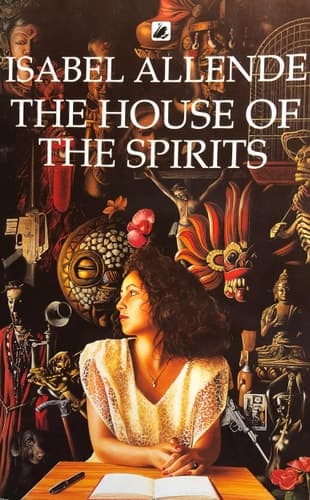
The House of the Spirits
by Isabel Allende
Allende builds her multigenerational saga with the same cyclical structure and magical realism as Márquez, but she anchors the supernatural elements in the political upheaval of Chile rather than an isolated village. Where Macondo feels dreamlike and timeless, the del Valle family's story is grounded in historical reality—yet the ghosts and premonitions feel just as inevitable.
View book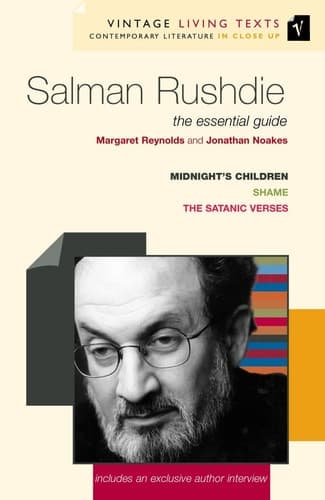
Salman Rushdie Midnight's Children, Shame, The Satanic Verses
by Margaret Reynolds
Rushdie takes Márquez's technique of weaving the fantastical into historical events and transplants it to India's partition—the result is equally baroque and digressive, with a narrator who's unreliable in the most charming way. Both novels treat magical births and impossible genealogies as perfectly ordinary facts of their worlds, and both use family history as a lens to examine larger national traumas.
View book
The Apocalyptic Vision of Mikhail Bulgakov's the Master and Margarita (Studies in Slavic Language & Literature)
by Edward E. Ericson
Published in 1967—the same year as One Hundred Years of Solitude—this Soviet novel shares Márquez's gift for making the impossible feel inevitable, but it does so by weaving together three separate timelines (Stalinist Moscow, ancient Jerusalem, and a supernatural realm) with dizzying precision. The Devil's visit to Moscow has the same matter-of-fact absurdity as a plague of insomnia in Macondo.
View book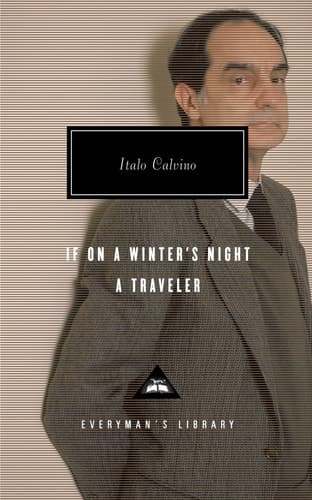
If on a Winter's Night a Traveler Introduction by Peter Washington
by Italo Calvino
Here's your surprise pick: where Márquez creates a world that feels infinite through repetition and cyclical time, Calvino creates infinity through metafictional playfulness—you're reading ten different novels simultaneously, each interrupted mid-chapter. Both authors are obsessed with how stories loop back on themselves, but Calvino makes you *feel* that vertigo as a reader rather than just observing it in the narrative.
View book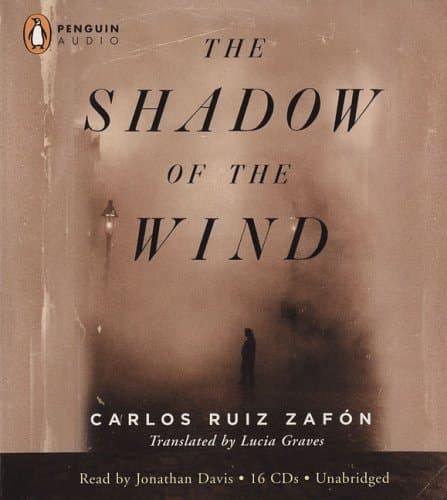
Shadow of the Wind
by Carlos Ruiz Zafon
Zafón writes love letters to books themselves the way Márquez writes about the weight of solitude, and he sets his mystery in post-Civil War Barcelona with the same atmospheric density that makes Macondo feel like a character. The novel's structure—nested stories within stories, secrets that span generations—echoes Márquez's technique, but Zafón adds a gothic romanticism and a genuine page-turning plot that keeps you guessing.
View bookAbout Gabriel García Márquez
Biography coming soon.
View author page