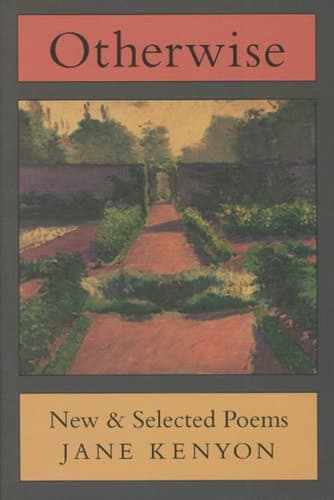
Otherwise New & Selected Poems
Jane KenyonPublished1997
Pages230
Formatpaperback
PublisherGraywolf Press
Synopsis
Otherwise collects a lifetime's work by one of contemporary poetry's most cherished talents. Opening with twenty new poems and including generous selections from Jane Kenyon's four previous books—From Room to Room, The Boat of Quiet Hours, Let Evening Come, and Constance—this collection was selected and arranged by Kenyon herself—alongside her husband, the esteemed poet Donald Hall—shortly before her death in April 1995.
This extensive gathering reveals a scrupulously crafted body of work in which poem after poem achieves a rare and somber grace. Light and shade are never far apart in these telling narratives of life and love and work at the poet's rural New Hampshire home. The shadow of depression in Kenyon's verse, which grew much darker and longer at certain intervals, has the force and heft of a spiritual presence—a god, demon, angel. Yet her work emphasizes the constant effort of her imagination to confront and even find redemption in suffering. However quiet or domesticated or subtle in her moods and methods, Kenyon was a poet who sought to discover the extraordinary within the ordinary, and her poems continue to make this discovery. As Hall writes in the afterword to Otherwise, we share "her joy in the body and the creation, in flowers, music, and paintings, in hayfields and a dog."
Recommendations
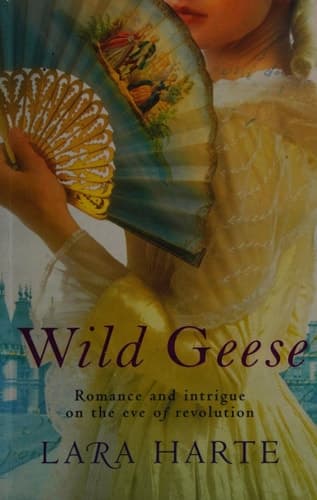
Wild Geese
by Lara Harte
Oliver shares Kenyon's gift for finding the numinous in everyday observation—a walk through woods becomes a meditation on belonging and permission. Where Kenyon's rural New Hampshire home anchors her spiritual inquiry, Oliver's attention to the natural world (geese, grasshoppers, the persistent ordinary) creates that same sense of grace emerging from careful attention. Both poets write with a quietness that somehow contains tremendous emotional weight.
View book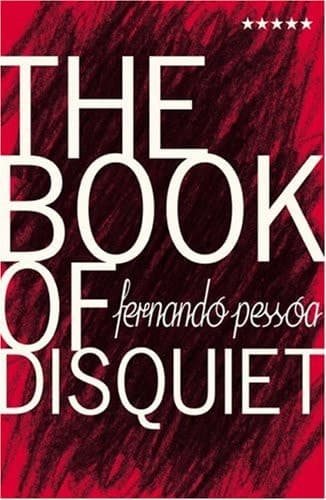
The Book of Disquiet
by Fernando Pessoa
This is your surprise recommendation—it's not a poetry collection, but rather a fragmented philosophical diary that reads like prose poetry. Like Kenyon, Pessoa is obsessed with the texture of ordinary moments and the shadow-work of depression, but he approaches it through a kind of metaphysical restlessness rather than narrative. If you loved how Kenyon made depression feel like a spiritual presence, Pessoa's exploration of alienation and the multiplicity of self will feel like a conversation with her work from a different angle entirely.
View book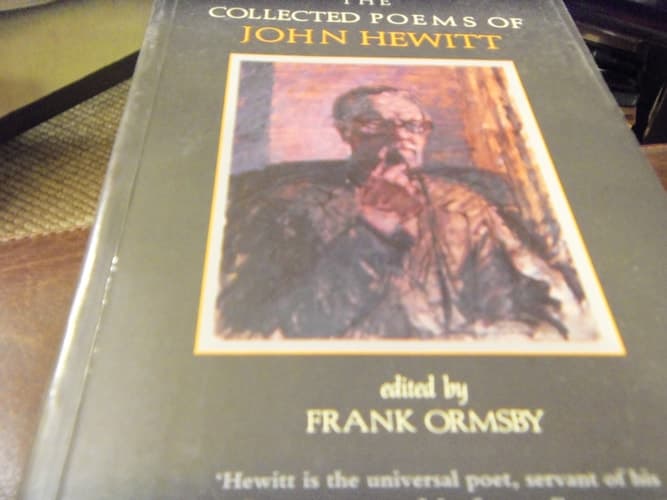
The Collected Poems of John Hewitt
by John Harold Hewitt
Reaching back to the 19th century, Dickinson's compressed, slant-rhymed meditations on death, faith, and domestic life create a spiritual kinship with Kenyon across more than a century. Both poets refuse sentimentality while writing about loss; both use the home and its small rituals as sites of profound questioning. Dickinson's dashes and fragmentary syntax might initially feel distant from Kenyon's clarity, but they're both after the same thing: how to hold contradictions—hope and despair, presence and absence—in a single breath.
View book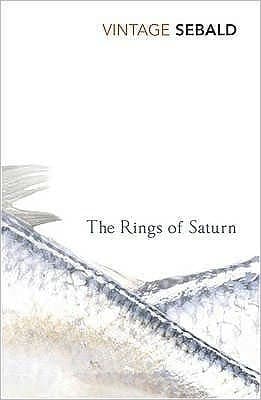
The Rings of Saturn
by Winfried Georg Sebald
Sebald's meditative prose-poem about a walking tour through Suffolk is saturated with the same elegiac tone that runs through Kenyon's work—a sense that beauty and loss are inseparable. His attention to overlooked historical details and the way landscape holds human suffering mirrors Kenyon's ability to find profound meaning in the particular. This is a book that moves at poetry's pace even though it's written in prose, and it shares Kenyon's conviction that careful observation is a form of reverence.
View bookAbout Jane Kenyon
J
Jane Kenyon
1947–1995
Biography coming soon.
View author page