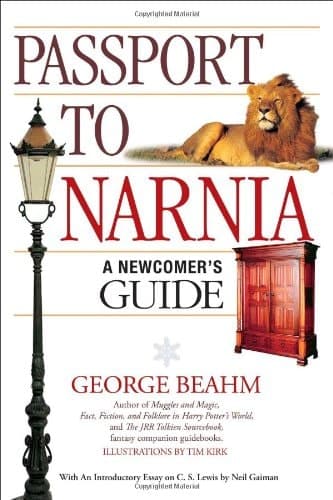
Passport to Narnia A Newcomer's Guide
George BeahmPublished2005
Pages197
Formatpaperback
PublisherHampton Roads Publishing Company
Synopsis
This December, when the first film of the projected 7-film adaptation of C.S. Lewis' classic Chronicles of Narnia series is released, millions of new fans will come to the books after seeing the film. And when they do, Passport to Narnia offers them the perfect place to start! Beahm provides an insightful book-by-book synopsis of the series -- without spoiling surprises! -- as well as an in-depth look at the forthcoming movie series. This book includes illustrations from fantasy artist Tim Kirk, as well as informational sidebars, trivia, and other fun and historical facts about Narnia and its creator, C.S. Lewis.
Recommendations
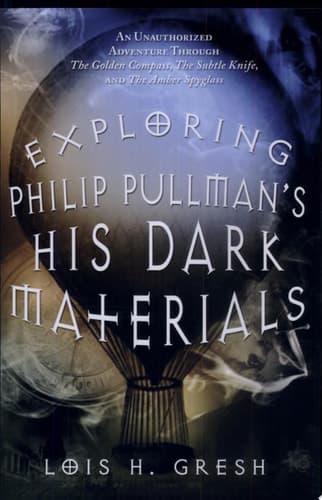
Exploring Philip Pullman's His Dark Materials An Unauthorized Adventure Through The Golden Compass, The Subtle Knife, and The Amber Spyglass
by Lois H. Gresh
Like Lewis, Pullman builds a richly detailed parallel world with its own physics and mythology, but he approaches the relationship between faith and wonder from a completely different angle. You'll recognize that same sense of discovery as characters navigate a universe that's both wondrous and dangerous, though Pullman trusts his readers to grapple with harder philosophical questions than Narnia typically poses.
View book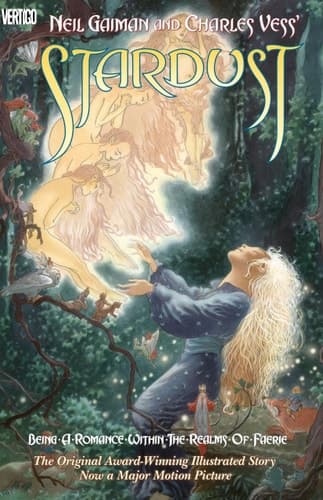
Neil Gaiman and Charles Vess' Stardust
by Neil Gaiman
This one has the fairy-tale architecture you loved in Narnia—a quest, magical lands, clear moral stakes—but Gaiman writes with a wink and a knowing smile that feels more contemporary. The prose itself is playful in a way that makes the adventure feel both timeless and freshly imagined, and the supporting cast of witches and pirates are far more morally complicated than you'd expect.
View book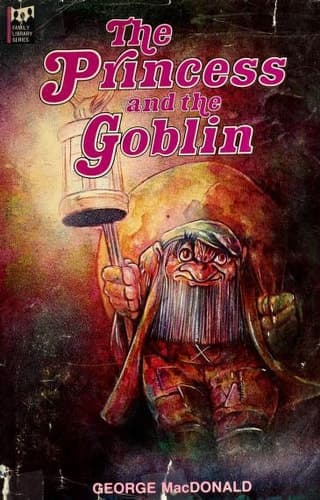
The Princess and the Goblin
by George MacDonald
Here's your surprise pick: this is a fantasy novel that's genuinely about kindness, protocol, and learning to navigate a complex world—there's no dark lord to defeat, just a young man trying to be decent in a court full of people who don't expect it. It captures that same feeling of entering a fully-realized world with its own customs and languages, but focuses on character and relationships rather than epic battles.
View book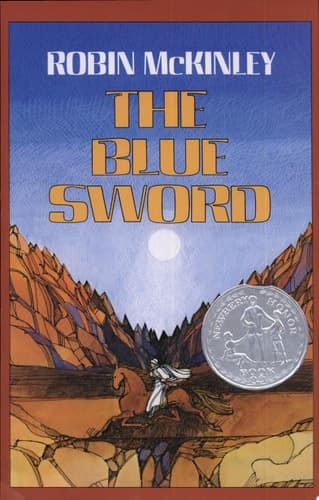
The Blue Sword
by Robin McKinley
McKinley writes fantasy that feels grounded in real emotional stakes—her heroine doesn't stumble into adventure through a wardrobe, but chooses it, and the cost of that choice matters. Like Lewis, she's interested in how ordinary people adapt to extraordinary worlds, but she explores that transformation with more psychological depth and a protagonist who questions everything rather than simply accepting the rules.
View book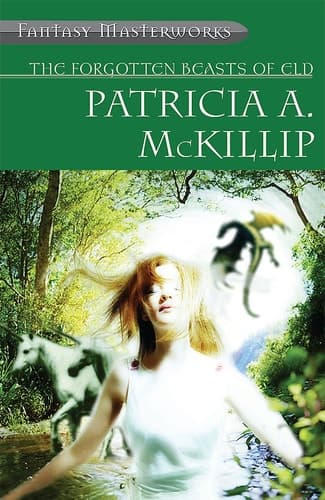
The Forgotten Beasts of Eld
by Patricia A. McKillip
McKillip writes fantasy that feels like stepping into a dream—her worlds have the same sense of internal logic and wonder as Narnia, but she builds them through language and atmosphere rather than exposition. Published in 1974, this shows how fantasy was evolving around the same era Lewis's books were being adapted, and her approach to magic and mythology is more lyrical and less didactic than what you've just read.
View bookAbout George Beahm
Biography coming soon.
View author page