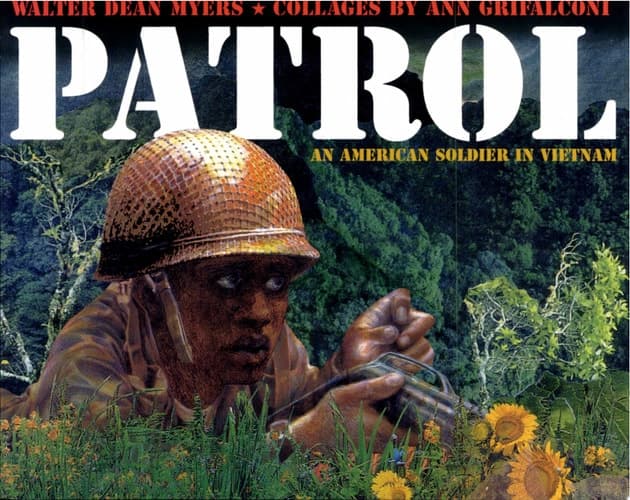
Patrol An American Soldier in Vietnam
Walter Dean MyersPublished2005
Pages40
Formatpaperback
PublisherHarper Collins
Synopsis
Vietnam.
A young American soldier waits for his enemy, rifle in hand, finger on the trigger. He is afraid to move and yet afraid not to move. Gunshots crackle in the still air. The soldier fires blindly into the distant trees at an unseen enemy. He crouches and waits -- heart pounding, tense and trembling, biting back tears. When will it all be over?
Walter Dean Myers joined the army on his seventeeth birthday, at the onset of American involvement in Vietnam, but it was the death of his brother in 1968 that forever changed his mind about war.
In a gripping and powerful story-poem, the award-winning author takes readers into the heart and mind of a young soldier in an alien land who comes face-to-face with the enemy. Strikingly illustrated with evocative and emotionally wrenching collages by Caldecott Honor artist Ann Grifalconi, this unforgettable portrait captures one American G.L's haunting experience.
Recommendations
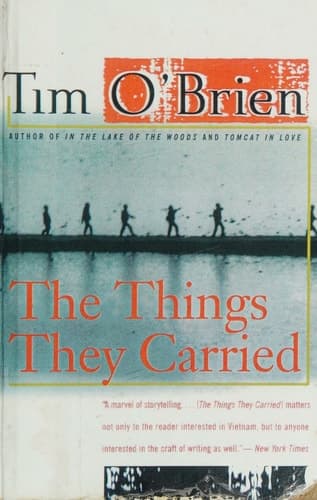
The Things They Carried
by Tim O'Brien
O'Brien does something Myers does brilliantly—he collapses the distance between reader and soldier by making you feel the weight of both physical objects and emotional burdens. Where Myers uses verse and collage to create immediacy, O'Brien uses interconnected stories that blur truth and fiction, forcing you to sit with the same uncertainty and dread that soldiers experience in the field.
View book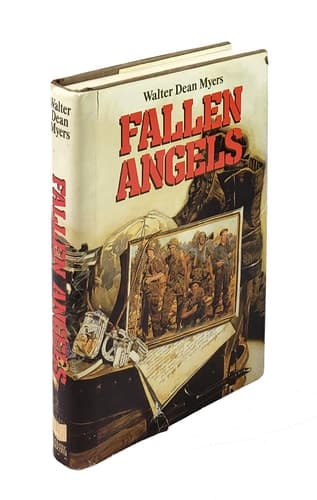
Fallen Angels
by Walter Dean Myers
I know—same author—but this is actually his full-length novel companion to Patrol, and it deepens everything that poem accomplishes. Where Patrol gives you a single moment of terror, Fallen Angels follows Richie Perry through his entire tour, letting you understand how young soldiers rationalize, survive, and change. It's the prose expansion of the emotional truth Myers captured in verse.
View book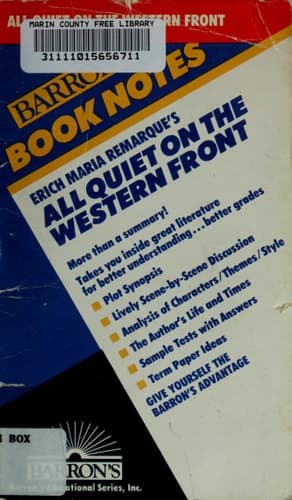
Erich Maria Remarque's All Quiet on the Western Front
by Rose Kam
Published in 1929, this is the granddaddy of soldier-perspective war literature, and it shares Myers' unflinching focus on what combat actually does to a young man's mind and body. Remarque doesn't glorify or philosophize—he just shows you Paul Bäumer's fear, hunger, and the slow erosion of his humanity, which is exactly what Myers captures in that single patrol moment.
View book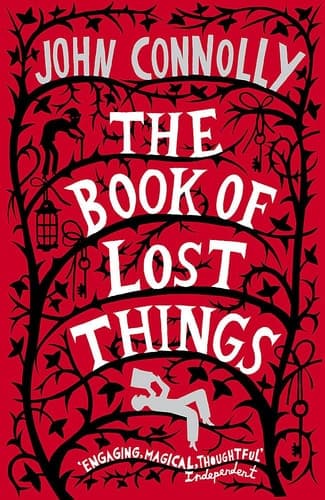
The Book of Lost Things
by John Connolly
This might seem like a left turn—it's a dark fantasy—but Connolly writes about a boy navigating a hostile, incomprehensible world where danger lurks everywhere and nothing is quite what it seems. That same sense of dislocation and threat that Myers creates in the Vietnamese jungle appears here in a magical landscape; both authors understand how to make a young person feel utterly alone and hunted.
View book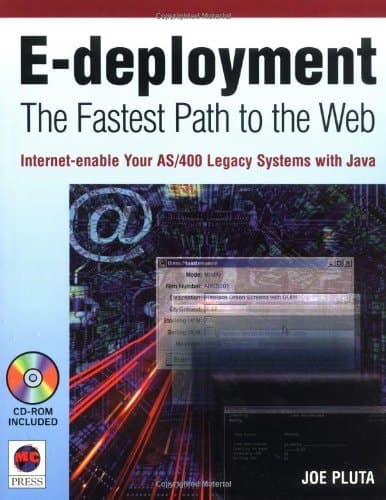
E-Deployment The Fastest Path to the Web
by Joe Pluta
Klay's interconnected stories about Iraq and Afghanistan veterans capture something Myers understood about Vietnam—that the real war often happens after you leave the battlefield, in the gap between what civilians expect soldiers to be and what they've actually become. His prose is precise and devastating in the way Myers' verse is; both writers refuse to let readers look away from uncomfortable truths.
View bookAbout Walter Dean Myers
W
Walter Dean Myers
1937–2014
Biography coming soon.
View author page