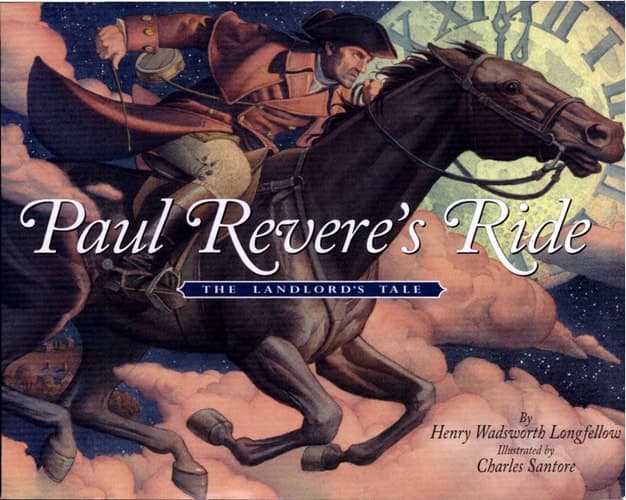
Paul Revere's Ride The Landlord's Tale
Henry Wadsworth LongfellowPublished2003
Pages40
Formathardcover
PublisherHarper Collins
Synopsis
" Listen, my children, and you shall hear
Of the midnight ride of Paul Revere.... " So begins Henry Wadsworth Longfellow's stirring tale of Paul Revere's ride and the first battle cry for American independence. Written over a century ago, the words still resonate today. Now acclaimed artist Charles Santore has turned his attention to this historic event, immortalized in Longfellow's poem. Paul Revere, his horse, the Old North Church, the lantern, Lexington and Concord -- all spring from these pages, and make that famous race against time live once again.
Recommendations
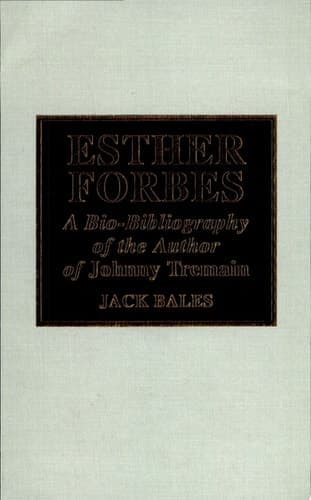
Esther Forbes A Bio-Bibliography of the Author of Johnny Tremain
by Jack Bales
Forbes gives you that same Revolutionary War immediacy as Longfellow's poem, but through the eyes of a teenage apprentice caught in the actual machinery of rebellion. Where Longfellow's verse captures one heroic night, Forbes lets you live inside the months of tension, fear, and youthful idealism that led to Lexington—you'll recognize the same locations and events, but experienced from ground level rather than from horseback.
View book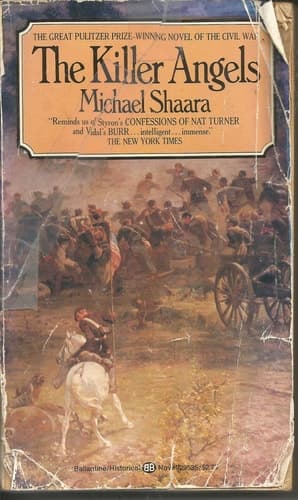
The Killer Angels
by Michael Shaara
Shaara does for the Civil War what you just experienced with Longfellow's poem—he takes a pivotal historical moment and makes you feel the weight of it through multiple perspectives. But here's the twist: he writes it as a novel with interior lives, so you're inside the minds of Lee and Chamberlain as they make decisions that echo through history. The pacing has that same breathless quality as Revere's ride, but stretched across three days at Gettysburg.
View book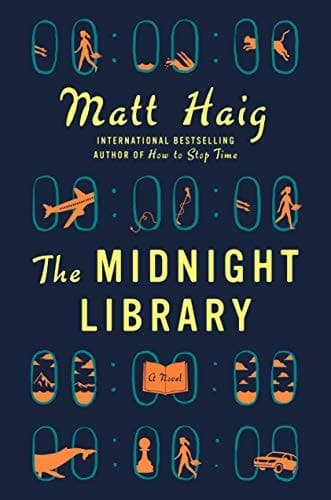
The Midnight Library A Novel
by Matt Haig
I know this seems like a left turn from Revolutionary history, but stay with me: Haig's protagonist experiences multiple versions of a single night—much like how Longfellow's poem immortalizes one midnight ride as a branching point in history. There's the same sense of a moment mattering infinitely, of choices rippling outward, except Haig explores it through speculative fiction rather than historical verse. It's philosophical where Longfellow is patriotic, but both ask: what makes a moment matter?
View book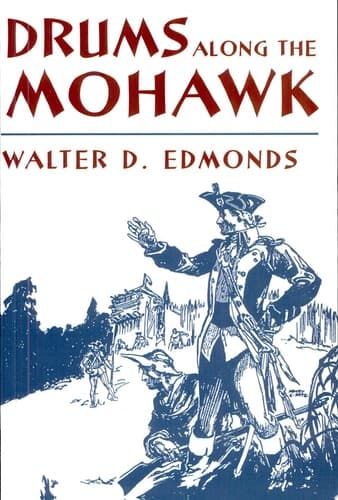
Drums Along the Mohawk
by Walter Dumaux Edmonds
Edmonds captures the Revolutionary War in upstate New York—the frontier side of the conflict that Longfellow's Boston-centric poem doesn't touch. You get the same historical period and patriotic fervor, but filtered through settlers dealing with raids, militia duty, and the messy reality of war on the home front. The prose has that same narrative drive as Longfellow's verse, but it's grounded in domestic struggle rather than symbolic heroism.
View book
All the Light We Cannot See A Novel
by Anthony Doerr
Here's your surprise pick: Doerr writes about World War II through interconnected lives—a blind French girl and a German boy—and what struck me is how he treats historical events the way Longfellow treats Revere's ride: as moments where ordinary people become part of something larger than themselves. The prose is luminous and poetic (Longfellow would recognize the sensibility), but instead of one heroic night, Doerr explores how war touches everyone, how history isn't just about the famous riders but about the people in the towns they ride through.
View bookAbout Henry Wadsworth Longfellow
Biography coming soon.
View author page