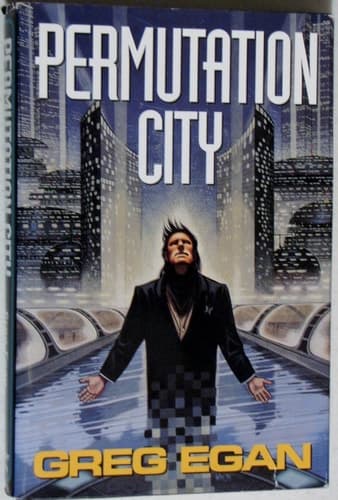
Synopsis
We don't have a synopsis for this title yet.
Recommendations
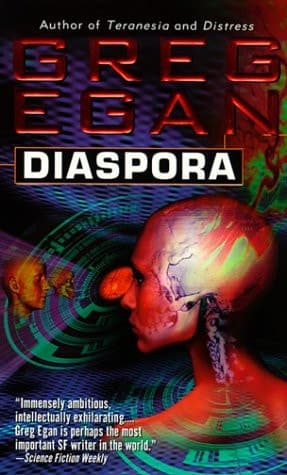
Diaspora
by Greg Egan
I know you just finished Permutation City, but hear me out—Diaspora takes the philosophical scaffolding Egan built there and launches it across galactic scales and millennia. Where Permutation City asks 'what does identity mean in simulation?', Diaspora asks it while characters are scattered across post-human forms, AIs, and physical substrates simultaneously. It's the natural next step in Egan's thinking, with even more audacious physics.
View book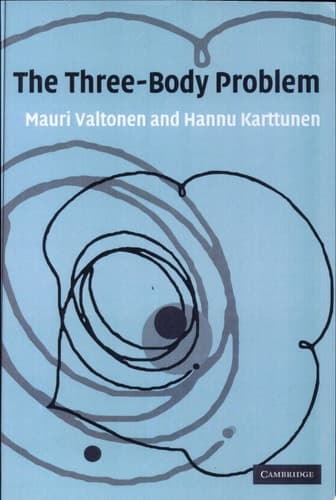
The Three-Body Problem
by Mauri J. Valtonen
Liu shares Egan's willingness to let physics and mathematics drive narrative rather than decorate it, but he grounds his ideas in human desperation and cultural trauma in ways Egan doesn't always. The first section unfolds like a mystery where the mystery is how to think about an alien civilization—you're solving equations alongside characters who are solving for survival.
View book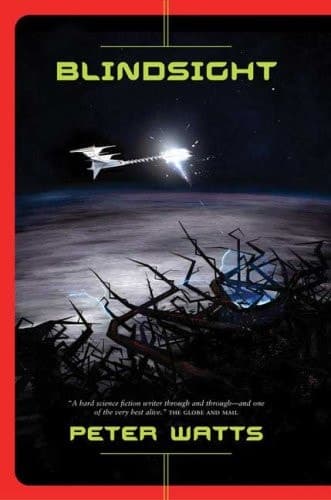
Blindsight
by Peter Watts
Watts, a marine biologist, writes hard SF that's genuinely unsettling in ways Egan's work rarely is—his first contact scenario treats consciousness itself as potentially vestigial, and his aliens operate on cognitive principles that make human understanding nearly impossible. Like Permutation City, it's deeply concerned with what consciousness actually *is*, but it arrives at darker, more biological conclusions.
View book
The Princess and the Goblin
by George MacDonald
This is the curveball, but I'm recommending it because Addison does something Egan doesn't: she explores identity and belonging through emotional and social systems rather than computational ones. The protagonist must navigate a complex, rule-bound world where understanding the *structure* of society is as crucial as understanding physics is in Permutation City—but the payoff is deeply human rather than abstract.
View book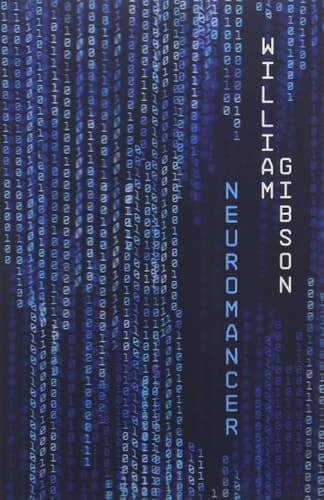
Neuromancer
by William Gibson
Published in 1984, Gibson's novel predates Permutation City but feels like its spiritual ancestor—he invented the conceptual vocabulary for thinking about consciousness in digital spaces, artificial intelligences, and the blurred line between human and machine. Reading it now, after Egan, you'll see how Gibson's intuitions about cyberspace anticipated questions Egan answers with rigorous mathematics.
View bookAbout Greg Egan
G
Greg Egan
Born 1961
Biography coming soon.
View author page