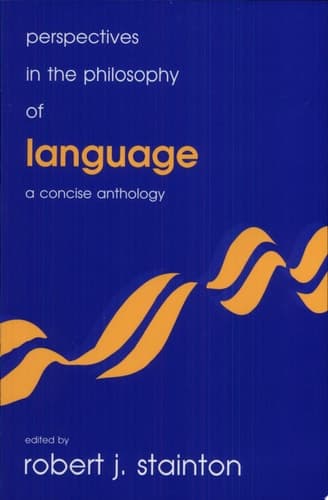
Perspectives in the Philosophy of Language A Concise Anthology
Robert J. StaintonPublished2000
Pages368
Formatpaperback
PublisherBroadview Press
Synopsis
This concise and affordable anthology is designed for use as a textbook in both undergraduate and graduate courses in philosophy of language. It aims to provide a core of essential primary sources and may be used either on its own, or in conjunction with a secondary source.
Recommendations
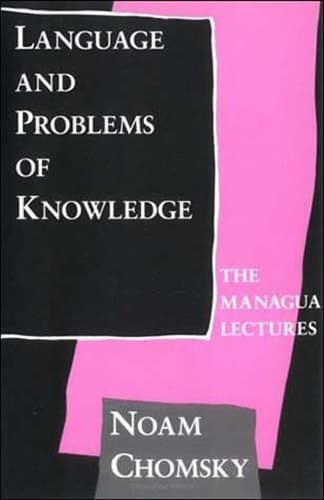
Language and Problems of Knowledge The Managua Lectures
by Noam Chomsky
Chomsky tackles the same foundational questions about how language works and what it reveals about the mind, but he does it through his own generative grammar framework rather than as an anthology. If you appreciated Stainton's survey of competing perspectives, you'll find it illuminating to see one of those perspectives—the rationalist approach—developed with full argumentative force by its most influential advocate.
View book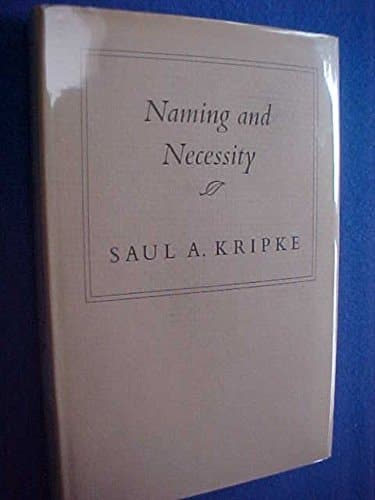
Naming and Necessity
by Saul A. Kripke
This is the rare philosophical work that reads like a detective story—Kripke methodically dismantles the conventional wisdom about how names refer to things, and each chapter feels like he's uncovering a new piece of the puzzle. Coming from Stainton's anthology, you'll recognize Kripke's arguments as foundational to modern philosophy of language, but experiencing them in their original, concentrated form is like seeing the blueprint after studying the finished building.
View book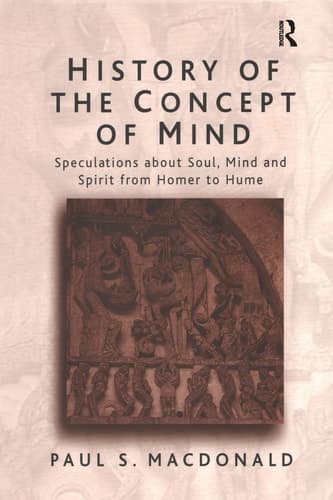
History of the Concept of Mind: Volume 1: Speculations About Soul, Mind and Spirit from Homer to Hume
by Paul S. Macdonald
Ryle's 1949 classic sits at the intersection of philosophy of language and philosophy of mind—he argues that much confusion about consciousness comes from category mistakes in how we *talk* about mental phenomena. It's a different era of philosophy writing (more playful, less technical than contemporary work), and it shows how language philosophy connects to questions about what it means to think and feel.
View book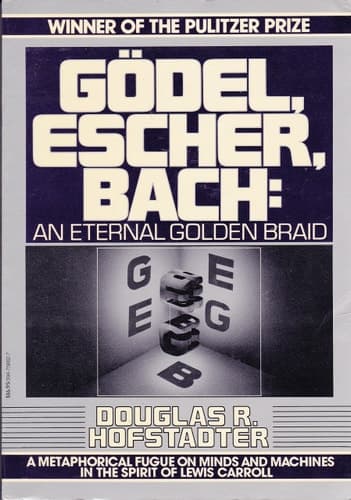
Gödel, Escher, Bach: An Eternal Golden Braid
by Douglas Hofstadter
This is the surprise pick—it's a playful, wildly ambitious book about patterns, self-reference, and meaning that uses music, art, and mathematics to explore questions that philosophy of language grapples with abstractly. If you're curious about how meaning emerges from formal systems and how language relates to consciousness, Hofstadter makes those questions visceral and almost musical rather than purely argumentative.
View book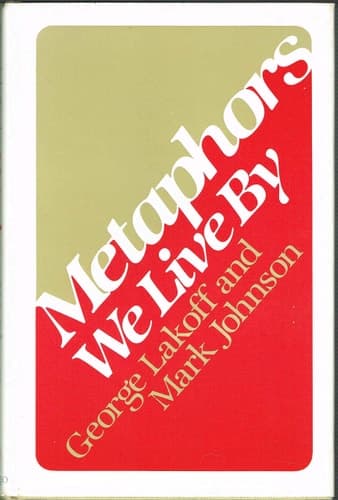
Metaphors We Live By
by George Lakoff
Lakoff and Johnson argue that metaphor isn't just decorative language—it's the fundamental structure through which we understand abstract concepts. It's more accessible and empirically grounded than much philosophy of language, drawing on cognitive science and everyday examples, so it feels like a natural next step after surveying the landscape in Stainton's anthology.
View bookAbout Robert J. Stainton
Biography coming soon.
View author page