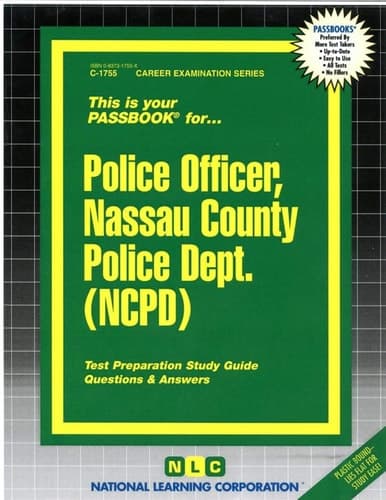
Police Officer, Nassau County Police Department (NCPD)
National Learning CorporationPublished2018
Pages160
FormatPlastic Comb
PublisherNational Learning Corporation
Synopsis
The Police Officer, Nassau County Police Department (NCPD) Passbook(R) prepares you for your test by allowing you to take practice exams in the subjects you need to study. It provides hundreds of questions and answers in the areas that will likely be covered on your upcoming exam, including but not limited to: reading comprehension; reasoning ability; work, school and general life experiences that are associated with successful performance of law enforcement duties; personality traits that are associated with successful performance of law enforcement duties; and more.
Recommendations
The Art of Empirical Investigation
by Julian Lincoln Simon
You've just spent time drilling procedural knowledge and reasoning patterns—Birzer takes that same analytical muscle and shows you how seasoned investigators actually *think* through complex cases. Where your study guide built the foundation, this book shows you the architecture of real investigative reasoning, with case studies that demonstrate how reading comprehension and logical deduction work in actual field scenarios.
View book
Thinking Past Terror Islamism and Critical Theory on the Left
by Susan Buck-Morss
This might seem like a left turn, but Kahneman's exploration of cognitive biases and decision-making directly addresses the personality and judgment questions embedded in your exam prep. He reveals why our intuitions fail us in predictable ways—crucial knowledge for anyone who'll need to make split-second decisions under pressure and defend them later. It's the psychological *why* behind the reasoning ability section you just studied.
View book
The New Centurions A Novel
by Joseph Wambaugh
Published in 1970, Wambaugh gives you something your study guide couldn't: the lived experience of what it actually feels like to be a police officer across a full career. Rather than test questions about personality traits, you'll see three officers navigate the real emotional and moral weight of the job—the exhaustion, the camaraderie, the moments that change you. It's a grounded counterpoint to the clinical preparation you've just completed.
View book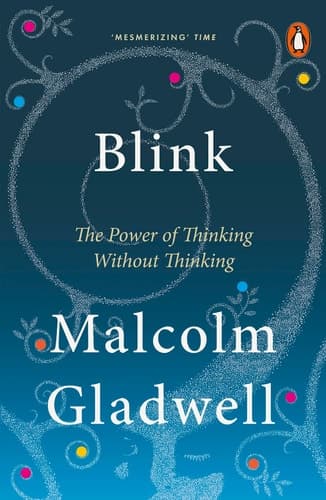
Blink The Power of Thinking Without Thinking
by Malcolm Gladwell
Gladwell explores rapid cognition and pattern recognition—the exact mental processes that let experienced officers make good calls in seconds. He examines how expertise trains your unconscious mind to read situations accurately, which directly complements the reasoning and judgment sections you've been studying. His narrative style makes complex psychology feel like detective work itself.
View book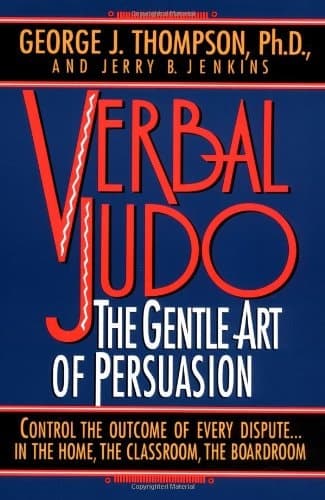
Verbal Judo : The Gentle Art of Persuasion
by George J. Thompson
Thompson, a former police officer and linguist, teaches you how language *is* a tool in law enforcement—how the words you choose can de-escalate situations or create them. It's the practical companion to your reading comprehension drills, showing you that understanding communication isn't just about parsing text on an exam, but about wielding it effectively in real encounters with the public.
View bookAbout National Learning Corporation
Biography coming soon.
View author page