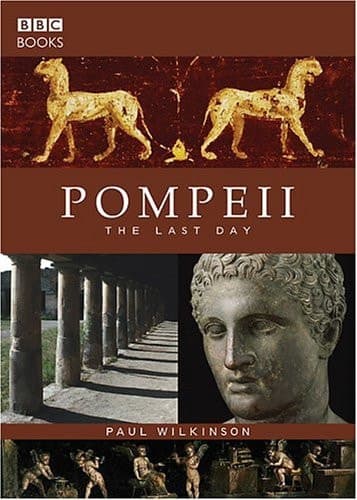
Synopsis
On August 24, 79 AD, Mount Vesuvius erupted, burying the twin Roman cities of Pompeii and Herculaneum under a shroud of volcanic debris. Undisturbed for more than 1,600 years, their eventual discovery and excavation amazed the world. In Pompeii: The Last Day, archaeologist Paul Wilkinson uses all the available evidence to piece together exactly what happened on that fateful day and to paint a vivid picture of what 1st-century Roman provincial life would have been like. The book also includes a one-day tour of Pompeii, complete with street maps and a full itinerary. A unique glimpse of a devastating moment in history. Dr. Paul Wilkinson, an archaeologist specializing in Roman studies, heads the Kent Archaeological Field School. He is a regular contributor to BBC HISTORY MAGAZINE, HISTORY TODAY, and THE SUNDAY TIMES; he is also the editor of PRACTICAL ARCHAEOLOGY.
Recommendations
In The Wake of Ashes
by Lorrieann A. Russell
Russell takes the same volcanic catastrophe but tells it through the eyes of a Jewish family caught in Pompeii, weaving together archaeological detail with intimate human drama. Where Wilkinson reconstructs the day's timeline from physical evidence, Russell imagines the emotional and spiritual weight of those final hours—you get the same historical precision but filtered through character and consequence rather than just chronology.
View book
The Worst Journey in the World
by Apsley Cherry-Garrard
Published in 1922, this firsthand account of Scott's Antarctic expedition shares Wilkinson's gift for making you feel the texture of a specific moment in history—the cold, the exhaustion, the terrible beauty of it. Both books are written by people who've studied their subjects obsessively and can make you understand not just what happened, but what it *felt like* to be there, whether you're buried under ash or trudging across ice.
View book
The Overstory A Novel
by Richard Powers
Here's your curveball: Powers writes about trees and environmental collapse through interconnected lives, but he does something Wilkinson does too—he makes you understand how a landscape *speaks*. Where Pompeii's ash layers tell the story of a single day, Powers shows how forests tell stories across centuries. It's not about Rome or archaeology, but it has that same sense of reading deep time through physical evidence, just applied to ecology instead of volcanology.
View book
Death Customs An Analytical Study of Burial Rites
by Effie Bendann
Kent reconstructs the final days of Iceland's last execution victim in 1829, using historical records much as Wilkinson does—but she builds a full psychological portrait from fragmentary evidence. Both books are detective work disguised as narrative; you're watching writers piece together a person's last moments from what survives: documents, objects, the physical record. The intimacy here is what makes it different from a straight history.
View book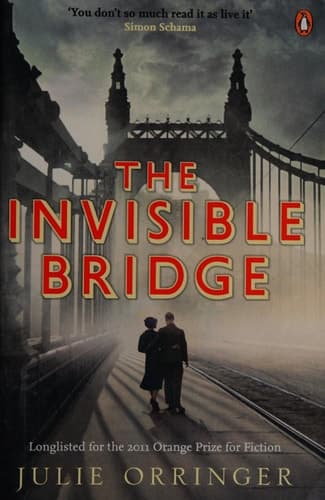
The Invisible Bridge
by Julie Orringer
Orringer writes about Hungarian Jews in the 1930s-40s with the same meticulous historical grounding Wilkinson brings to Pompeii—she's done the research, and you feel it in every detail. But where Wilkinson gives you a single catastrophic day, Orringer shows you the slow-motion catastrophe of history approaching, the way ordinary people navigate extraordinary circumstances. Both are about being caught in history's current, but Orringer lets you live inside the uncertainty rather than looking back with hindsight.
View bookAbout Paul Wilkinson
P
Paul Wilkinson
Born 1937
Biography coming soon.
View author page