Synopsis
This volume is a comprehensive collection of critical essays on The Taming of the Shrew, and includes extensive discussions of the play's various printed versions and its theatrical productions. Aspinall has included only those essays that offer the most influential and controversial arguments surrounding the play. The issues discussed include gender, authority, female autonomy and unruliness, courtship and marriage, language and speech, and performance and theatricality.
Recommendations
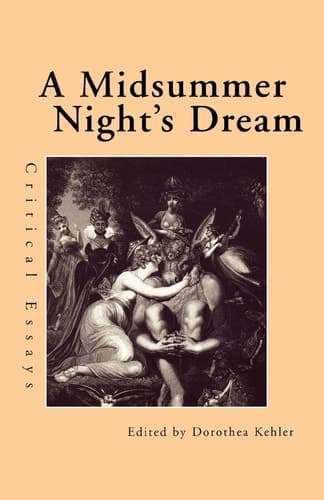
A Midsummer Night's Dream Critical Essays
by Dorothea Kehler
Since you've just finished a deep critical dive into Shakespeare's gender politics and performance, this guide offers the same scholarly rigor but focuses on a play where the power dynamics are even more delightfully chaotic. Buccola examines how the forest becomes a space where social hierarchies genuinely dissolve—unlike Kate's ending, which still troubles many readers—and traces how different productions have staged that ambiguity.
View book
The Land's Wild Music: Encounters with Barry Lopez, Peter Matthiessen, Terry Tempest William, and James Galvin
by Mark Tredinnick
Hulme takes the post-colonial lens you've been exploring and applies it to colonialism's actual staging in Shakespeare—this is where Loomba's theoretical framework becomes even more urgent. You'll find the same attention to how language operates as a tool of control, but now applied to a play explicitly about power, servitude, and who gets to speak.
View book
Desdemona A Play about a Handkerchief
by Paula Vogel
Here's your surprise recommendation: instead of more criticism, read a contemporary play that does what you've been analyzing—it interrogates Othello's female characters by giving them the unruly voices and agency that Shakespeare's text denies them. Forna writes with the same attention to language and performance you've been studying, but she's using drama itself as her critical argument.
View book
Backlash The Undeclared War Against American Women
by Susan Faludi
This 1991 cultural history examines how narratives about women's 'unruliness' get constructed and weaponized in contemporary culture—it's the real-world echo of what you've been reading about in Kate's shrewishness. Faludi traces how the same rhetorical moves Shakespeare's critics use to justify Kate's submission appear across media, politics, and popular culture.
View book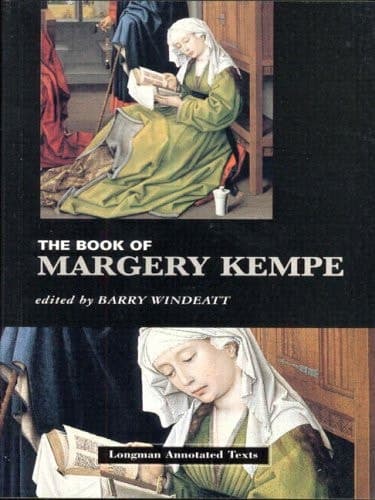
The Book of Margery Kempe A New Translation, Contexts, Criticism
by Barry Windeatt
A genuinely wild medieval text where a woman speaks constantly, refuses to be silenced, and makes everyone around her furious about it—written by the woman herself. Reading this alongside your critical work on The Taming of the Shrew shows you what an actual 'unruly woman' sounded like before Shakespeare, and how differently her contemporaries documented female speech when women controlled the narrative.
View bookAbout Ania Loomba
Biography coming soon.
View author page