Synopsis
In early nineteenth-century England, a spirited young woman copes with the suit of a snobbish gentleman, as well as the romantic entanglements of her four sisters.
Recommendations

The Most Eligible Doctor
by Karen Rose Smith
Sittenfeld transplants Elizabeth and Darcy into modern-day Cincinnati with the same sharp wit and social observation Austen brought to Regency England. You'll recognize the skeleton of their dynamic—the initial clash, the misunderstandings rooted in class and pride—but watching it play out through dating apps, medical school debt, and contemporary gender politics gives it a completely fresh energy while preserving what made the original so satisfying.
View book
Anne Brontë, The Tenant of Wildfell Hall Notes
by Hana Sambrook
Where Austen observes society with gentle irony, Brontë confronts it with quiet fury. Like Elizabeth Bennet, her protagonist Helen refuses to be diminished by others' expectations, but Brontë takes that defiance into darker, more dangerous territory—exploring what happens when a woman's independence threatens not just social standing but her very safety. It's Austen's world, but with the curtains drawn back.
View book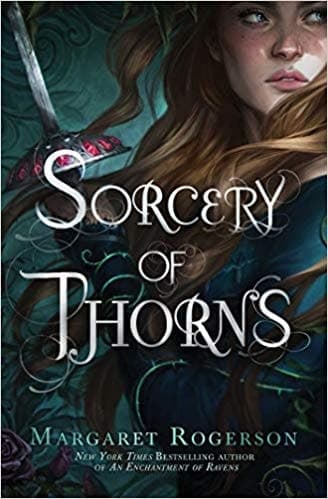
Sorcery of Thorns
by Margaret Rogerson
This is your surprise pick: a gothic fantasy where the real tension comes from the same place it does in Pride and Prejudice—two intelligent people circling each other, each convinced the other is exactly what they've been taught to despise. Rogerson builds a world where books are literally dangerous, but the real magic is in the slow-burn romance and the way her heroine refuses to be rescued, insisting instead on understanding the person she's been told to fear.
View book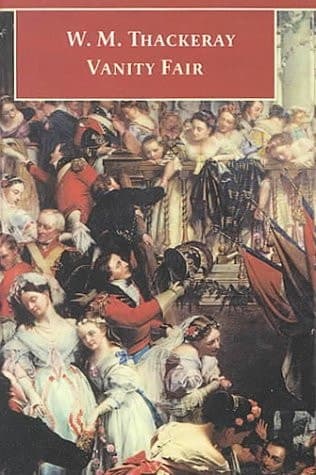
Vanity Fair
by William Makepeace Thackeray
Thackeray shares Austen's gift for exposing human folly through social satire, but he's far more cynical—his narrator constantly interrupts to remind you that nearly everyone is motivated by money, status, or vanity. Where Austen offers Elizabeth as a moral compass, Thackeray gives you Becky Sharp, a character who makes you complicit in her schemes even as you're appalled by them. It's the darker cousin of what Austen was doing.
View book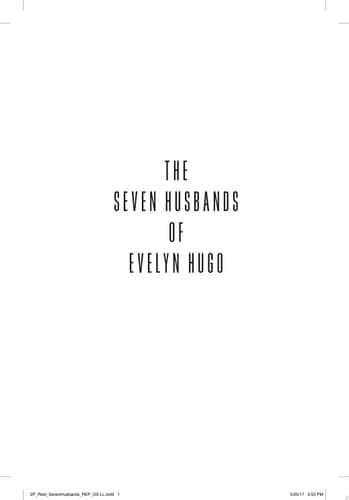
The Seven Husbands of Evelyn Hugo A Novel
by Taylor Jenkins Reid
Reid writes about women navigating systems designed to control them—in this case, 1950s Hollywood instead of Regency drawing rooms—and like Austen, she finds both tragedy and comedy in how her characters strategize, compromise, and occasionally triumph. The frame narrative structure means you're constantly revising your understanding of events, much like Elizabeth gradually sees past her first impressions, and the emotional payoff has that same bittersweet satisfaction.
View bookAbout Jane Austen
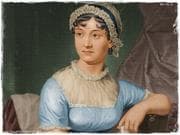
Jane Austen
1775–1817
Jane Austen was an English writer. Although Austen was widely read in her lifetime, she published her works anonymously. The most urgent preoccupations of her bright, young heroines are courtship and marriage. Austen herself never married. Her best-known books include *Pride and Prejudice* (1813) and *Emma* (1816). Virginia Woolf called Austen "the most perfect artist among women.
View author page