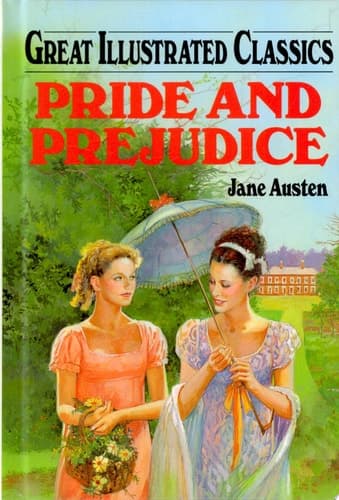
Synopsis
Elizabeth Bennet, the second eldest of five daughters whom Mrs. Bennet is anxious to dispose of in marriage, is the most intelligent and delightful of all Jane Austen's heroines. Her vitality, vivacity and wit, her hasty dismissal of superior Mr. Darcy- - the most disagreeable man in the world'--how he improves his manners and she changes her mind, are the central ingredients of "Pride and Prejudice. It is Jane Austen's best-loved novel and through the depth and sparkle of its comedy we are encouraged to consider what balance of energy and order, playfulness and regulation constitutes real strength of character.
Recommendations

The Most Eligible Doctor
by Karen Rose Smith
Sittenfeld transplants Elizabeth and Darcy to contemporary Cincinnati with the same sharp intelligence you loved in Austen, but adds the friction of modern dating apps, career ambitions, and class anxiety. The wit remains razor-sharp, but now Elizabeth's independence feels urgent rather than merely spirited—she's navigating actual professional stakes, not just marriage prospects.
View book
Anne Brontë, The Tenant of Wildfell Hall Notes
by Hana Sambrook
If you appreciated Elizabeth's refusal to be managed by society's expectations, you'll find Arthur Huntingdon's wife Helen even more radical—she actually leaves her husband and builds an independent life, which scandalized Victorian readers far more than Elizabeth's sass ever could. Brontë writes with the same psychological acuity as Austen but pushes further into the darker consequences of women's powerlessness.
View book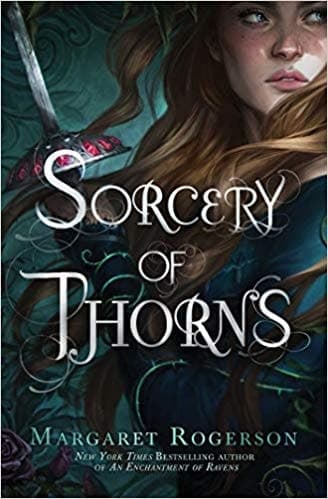
Sorcery of Thorns
by Margaret Rogerson
Here's your surprise: a gothic fantasy that borrows Austen's structure of witty banter masking genuine danger and misunderstanding between two people from opposing worlds. The heroine is a librarian (you're welcome) who must navigate both magical intrigue and a prickly sorcerer, and their verbal sparring has that same delicious tension of Elizabeth and Darcy—except there are actually sentient, dangerous books trying to kill them.
View book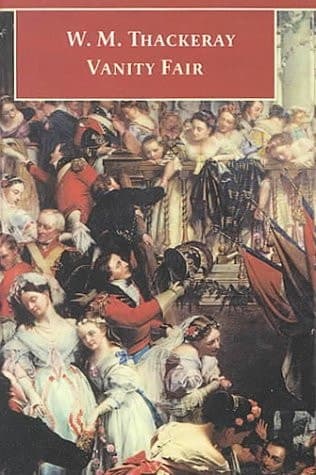
Vanity Fair
by William Makepeace Thackeray
Thackeray gives you Becky Sharp, who's arguably Elizabeth's darker mirror—equally clever and observant, but willing to manipulate rather than reform. The novel's narrator is constantly winking at you about human nature and social pretense the way Austen does, but with a more cynical edge and a much wider canvas of characters and settings.
View book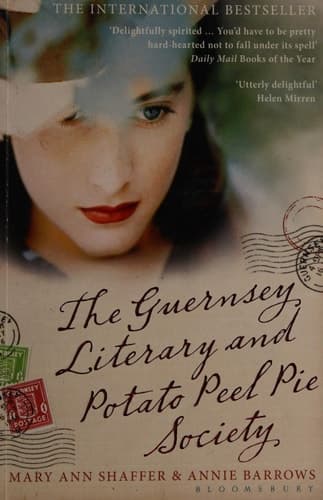
The Guernsey Literary and Potato Peel Pie Society By Mary Ann Shaffer, Annie Barrows
by Author
This one captures that same warmth and community you felt in Pride and Prejudice—a post-WWII romance built through letters and gradually revealed character, where people's first impressions prove entirely wrong and genuine connection emerges through conversation and shared vulnerability. It's Austen's emotional DNA translated to a different era, with the added poignancy of characters rebuilding lives after trauma.
View bookAbout Jane Austen
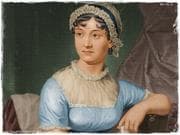
Jane Austen
1775–1817
Jane Austen was an English writer. Although Austen was widely read in her lifetime, she published her works anonymously. The most urgent preoccupations of her bright, young heroines are courtship and marriage. Austen herself never married. Her best-known books include *Pride and Prejudice* (1813) and *Emma* (1816). Virginia Woolf called Austen "the most perfect artist among women.
View author page