Synopsis
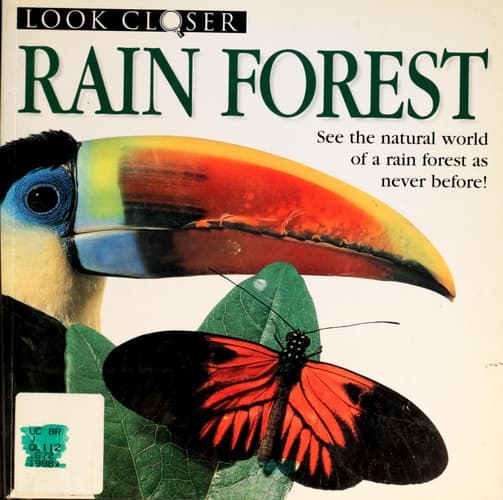
Discusses the habitats, eating habits, and hunting styles of various insects and animals that live in the rain forests, including the postman butterfly, the White's tree frog, and the flying gecko.
Recommendations
The Diversity of Life
by Edward O. Wilson
Wilson has that same gift Taylor demonstrates—making the intricate social hierarchies and survival strategies of insects genuinely gripping without ever feeling like a textbook. Where Rain Forest gives you snapshots of individual creatures, Wilson zooms out to show you how all those postman butterflies and tree frogs fit into the larger web of biodiversity, which deepens your appreciation for what you've already learned.
View book
Quilting and Braiding The Feminist Christologies of Sallie McFague and Elizabeth A. Johnson in Conversation
by Shannon Schrein
This is my gentle surprise pick—it's not a field guide, but Kimmerer writes about ecosystems with the same attentive wonder you found in Rain Forest, except she's asking deeper questions about *why* we should care about these relationships. If Taylor's book made you curious about rain forest creatures, this one will make you think differently about your relationship to all living things, including the ones in your own backyard.
View book
Tobias of the Amish A True Story of Tangled Strands in Faith, Family, and Community
by Unknown
Quammen writes narrative nonfiction the way a thriller writer constructs suspense—he'll take you from the rain forest's evolutionary history into the labs where scientists discovered that life's family tree is far messier than we thought. You get the same specificity about creatures and habitats as Taylor, but wrapped in a page-turner about how we came to understand nature in the first place.
View book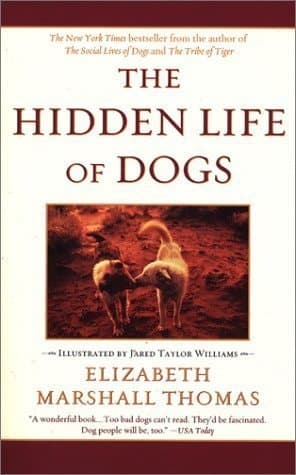
The Hidden Life of Dogs
by Elizabeth Marshall Thomas
Thomas spent decades observing deer the way Taylor observes rain forest inhabitants—with patient attention to behavior, diet, and social structures. Her book has that same intimate, almost anthropological quality, watching how animals navigate their world through seasons and survival pressures, though her lens is temperate forests rather than tropical ones.
View book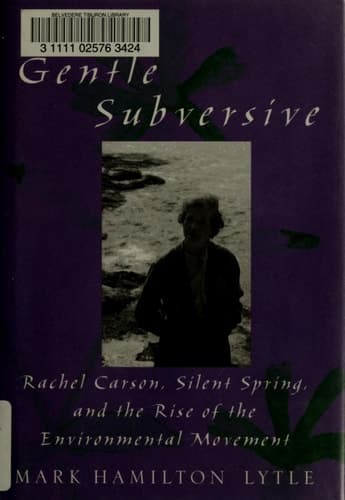
The Gentle Subversive Rachel Carson, Silent Spring, and the Rise of the Environmental Movement
by Mark H. Lytle
Published in 1962, this is your bridge to a different era of nature writing—Carson writes about insects and ecosystems with the same meticulous detail as Taylor, but she's asking urgent questions about what happens when humans disrupt these finely-tuned systems. It's foundational environmental science, yes, but it reads like a mystery where the clues are scattered across rain forests, wetlands, and farmland.
View bookAbout Barbara Taylor
B
Barbara Taylor
Born 1954
Biography coming soon.
View author page