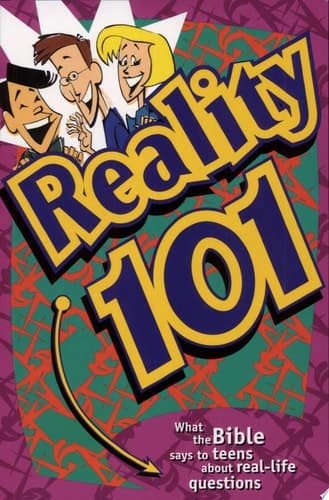
Reality 101 What the Bible Says to Teens about Real-Life Questions
Wayne RicePublished1999
Pages221
Formatpaperback
PublisherTyndale House Publishers, Inc.
Synopsis
Young teens seeking answers to some of their most vexing questions will enjoy $lt;I>Reality 101.$lt;/I>With a user-friendly format similar to the best-selling Questions Children Ask series, this book contains 101 questions covering 10 topics. Each question is accompanied by a cartoon illustration. Answers are followed by a Scripture verse and a list of related Scripture references. Interesting or humorous bits of trivia, quotes, and "food for thought" will spark a teen's interest. $lt;I>Reality 101$lt;/I>is sure to penetrate the hearts and minds of teens, their parents, and anyone interested in the spiritual growth of young Christians.
Recommendations
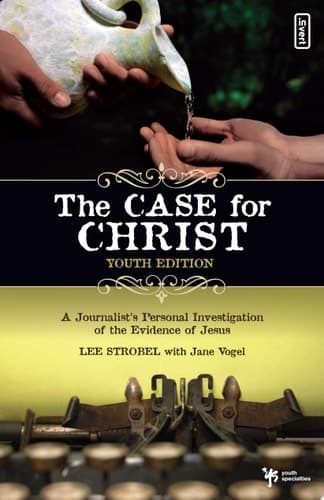
The Case for Christ A Journalist's Personal Investigation of the Evidence for Jesus
by Lee Strobel
Like Rice, Strobel meets teens where their skepticism lives—but he does it through a journalist's investigation rather than Q&A format. You'll recognize that same commitment to taking hard questions seriously, except here you're following someone who started as a doubter working through the evidence himself, which feels more like a conversation than a lecture.
View book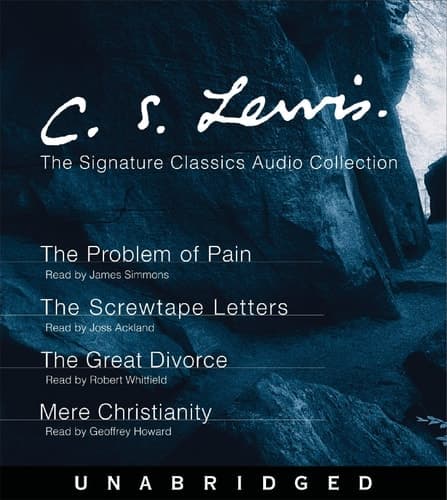
C.S. Lewis: The Signature Classics Audio Collection: The Problem of Pain, The Screwtape Letters, The Great Divorce, Mere Christianity
by C. S. Lewis
This 1942 novel is my surprise pick for you—it's fiction, not a Q&A book, but Lewis writes it as letters from a demon to his apprentice about how to tempt a young Christian man. It's witty, darkly funny, and tackles the exact real-life struggles (doubt, pride, distraction, relationships) that Reality 101 addresses, just through narrative rather than direct answers. You'll see how the principles work in actual situations.
View book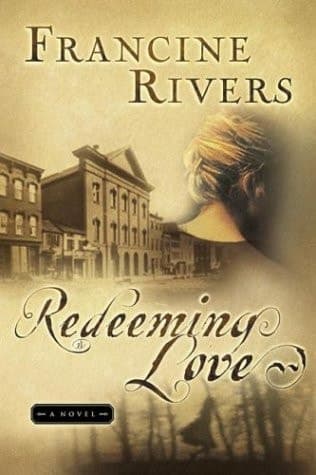
Redeeming Love
by Francine Rivers
Rivers weaves biblical themes about grace, forgiveness, and identity into a historical narrative set during the Gold Rush. Where Reality 101 gives you the theological framework, this novel shows you what those principles actually look like when a person lives them out in messy, complicated circumstances—it's like watching the answers come alive.
View bookC.S. Lewis: The Signature Classics Audio Collection: The Problem of Pain, The Screwtape Letters, The Great Divorce, Mere Christianity
by C. S. Lewis
Lewis takes the foundational questions about why Christianity makes sense and builds them logically, almost like he's having a patient conversation with someone genuinely puzzled. It's denser than Reality 101 but structured similarly—moving through core concepts methodically—and it respects your intelligence enough to dig deeper into the 'why' behind the answers.
View book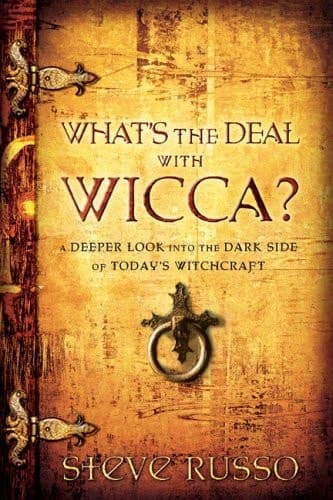
What's the Deal with Wicca? A Deeper Look Into the Dark Side of Today's Witchcraft
by Steve Russo
Lea writes for teens with the same accessible, non-preachy tone as Rice, but she goes deeper into one of those 101 questions—sexuality and relationships—with nuance that acknowledges how complicated real bodies and real feelings actually are. She's asking the follow-up questions that Reality 101 opens the door to, treating you like someone capable of handling complexity.
View bookAbout Wayne Rice
Biography coming soon.
View author page