
Rhetoric, Reason and Society Rationality as Dialogue
George MyersonPublished1994
Pages160
Formatpaperback
PublisherSAGE Publications
Synopsis
This fascinating work examines some of the major arguments about modernity, culture and rationality that have emerged from recent debates on critical theory, liberal theory, the self, postmodernity, dialogic rationalism, ethics and argument.
What is the relationship between knowledge, expertise and participatory dialogue? How is the `good life' connected to rationality? In what way is thinking dialogical and rhetorical? This original and lucid text addresses these and other questions, offering a broad-ranging synthesis of diverse theories to show how reason, dialogue and communication are inextricably linked.
Myerson provides a sustained discussion of contemporary theories concerning models of rational dial
Recommendations
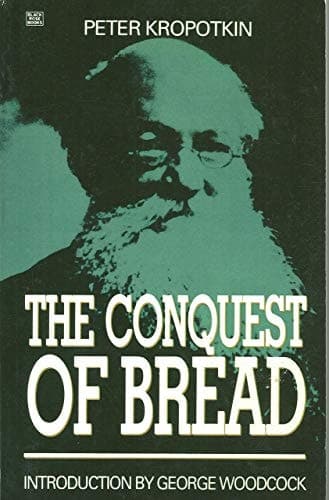
The Conquest of Bread
by Peter Kropotkin
Kropotkin tackles the same fundamental question Myerson does—how should society organize itself around reason and mutual aid?—but approaches it through anarchist philosophy rather than dialogic theory. Where Myerson synthesizes contemporary critical theory, Kropotkin builds his argument through direct engagement with economic and social structures, making this a fascinating historical counterpoint that shows how these debates about rationality and the good life have evolved across a century.
View book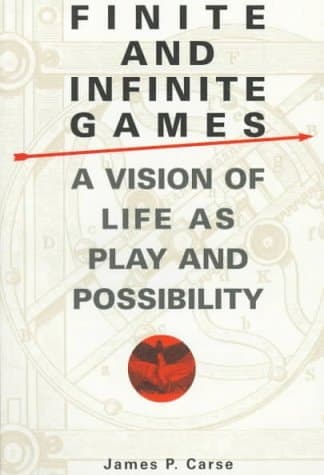
Finite and Infinite Games
by James P. Carse
Carse uses aphoristic, almost Socratic dialogue to explore how we construct meaning through the rules we choose to play by—it's Myerson's concern with rationality and the good life distilled into paradoxes that demand active interpretation from the reader. The book mirrors the rhetorical structure of philosophical dialogue itself, making you a participant in the argument rather than a passive observer, which is precisely what Myerson advocates for.
View book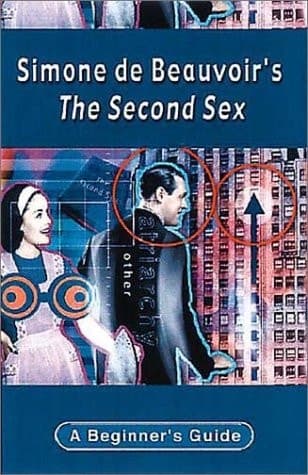
Simone de Beauvoir's the Second Sex
by George Myerson
Here's where I'm asking you to take a leap: de Beauvoir's existentialist ethics are deeply concerned with how rationality, freedom, and dialogue intersect in human relationships and social structures. Published in 1949, it predates Myerson's work but engages the same philosophical tradition he draws from, and it demonstrates how abstract theories about reason and dialogue have concrete, lived consequences—particularly for those excluded from supposedly 'rational' discourse.
View book
Voyage to the Sonorous Land, Or, The Art of Asking ; And, The Hour We Knew Nothing of Each Other
by Peter Handke
This is your surprise recommendation: Palmer's memoir-manifesto is fundamentally about the rhetoric of vulnerability and how genuine connection requires abandoning false expertise and engaging in authentic dialogue. It's Myerson's theory of participatory rationality made flesh through real stories about art, crowdfunding, and human connection—proof that his abstract arguments about dialogue and community actually matter in how we live.
View book
Thinking Past Terror Islamism and Critical Theory on the Left
by Susan Buck-Morss
Kahneman examines how human reasoning actually works—the gap between our idealized rational selves and our messy, intuitive reality—which creates a productive tension with Myerson's more optimistic vision of dialogic rationality. Rather than contradicting Myerson, it complicates his argument by asking: if we're cognitively biased creatures, how do we genuinely achieve the kind of rational dialogue he's advocating for? It's the empirical reality check his philosophical framework needs.
View bookAbout George Myerson
G
George Myerson
Born 1957
Biography coming soon.
View author page