Synopsis
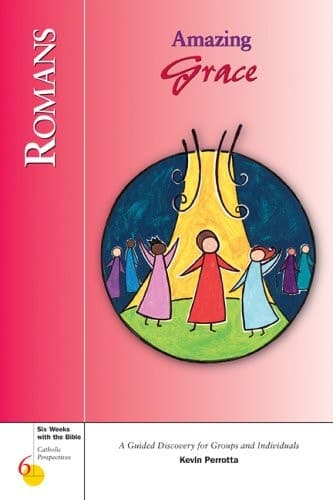
The book of Romans is one of the most beloved of all books in the Bible. In Romans: Amazing Grace we learn what deliverance from sin really means and how God accomplished it. The transforming power of the book of Romans comes to life in this easy-to-understand Bible study book.
Guided Discovery of the Bible
The Bible invites us to explore God's word and reflect on how we might respond to it. To do this, we need guidance and the right tools for discovery. The Six Weeks with the Bible series of Bible discussion guides offers both in a concise six-week format. Whether focusing on a specific biblical book or exploring a theme that runs throughout the Bible, these practical guides in this series provide meaningful insights that explain Scripture while helping readers make connections to their own lives. Each guide- is faithful to Church teaching and is guided by sound biblical scholarship
- presents the insights of Church fathers and saints
- includes questions for discussion and reflection
- delivers information in a reader-friendly format
- gives suggestions for prayer that help readers respond to God's word
- appeals to beginners as well as to advanced students of the Bible By reading Scripture, reflecting on its deeper meanings, and incorporating it into our daily life, we can grow not only in our understanding of God's word, but also in our relationship with God.
Recommendations
True Serenity Based on Thomas a Kempis' the Imitation of Christ
by John Kirvan
Written in the 15th century, this classic spiritual meditation shares Romans' focus on personal transformation through faith, but approaches it through practical daily devotions rather than theological exposition. Where Perrotta unpacks Paul's arguments about grace, Kempis invites you into the interior experience of living those truths—it's the companion volume to Romans that shows what 'amazing grace' looks like when you're actually trying to live it.
View bookThe Case for Christ Evangelism Pak
The Case for Christ Evangelism Pak
by Lee Strobel
If Romans convinced you intellectually about Paul's argument for salvation, Strobel takes the next step by investigating the historical and archaeological evidence behind Christianity itself. He writes like a journalist interviewing experts rather than a theologian lecturing, which makes the deep scholarship feel like a conversation you're part of—similar accessibility to Perrotta but with a detective-story momentum.
View book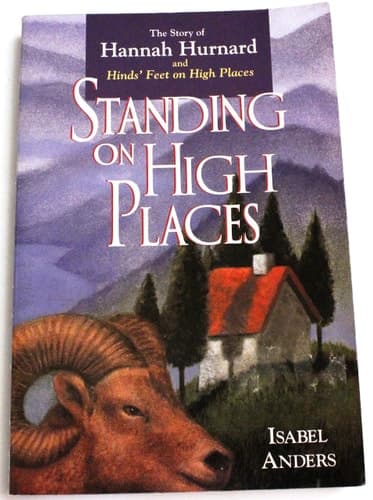
Standing on High Places The Story of Hannah Hurnard and Hinds' Feet on High Places
by Isabel Anders
Here's the surprise pick: this is an allegorical fantasy novel from 1955 about a timid creature's journey toward transformation and courage. It's not a Bible study, but it does something Romans does through argument—it shows the spiritual journey of overcoming fear and shame through faith—except Hurnard lets you *experience* that journey through story and metaphor rather than exposition. It's what happens when you take the themes of Romans and make them into a narrative.
View book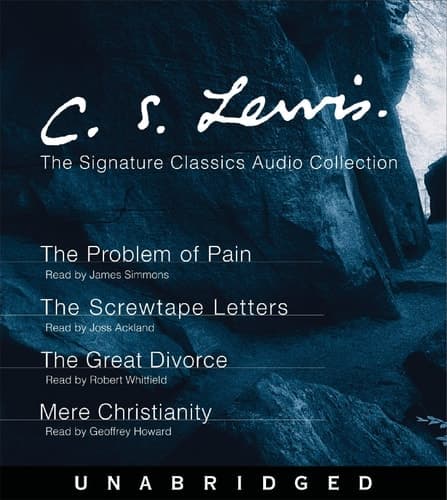
C.S. Lewis: The Signature Classics Audio Collection: The Problem of Pain, The Screwtape Letters, The Great Divorce, Mere Christianity
by C. S. Lewis
Lewis builds a logical case for Christian faith much like Paul does in Romans, but he's writing for 20th-century skeptics rather than 1st-century Romans. His gift is taking abstract theological concepts—grace, redemption, the nature of sin—and making them concrete through everyday examples and sharp wit. If Perrotta's guide helped you understand what Paul meant, Lewis helps you understand why it matters to someone who's never been sure Christianity is true.
View book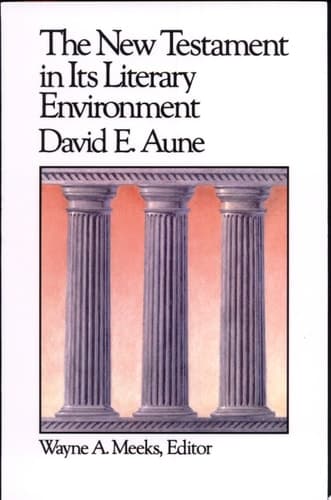
The New Testament in Its Literary Environment
by David Edward Aune
For the reader who's now curious about *how* Paul actually wrote and why Romans reads the way it does, Aune places Paul's letters in their historical context—showing you the conventions of ancient letter-writing, the rhetorical strategies Paul employs, and how his audience would have heard his arguments. It's scholarly but accessible, and it deepens your appreciation for Perrotta's work by showing you the literary architecture underneath.
View bookAbout Kevin Perrotta
Biography coming soon.
View author page