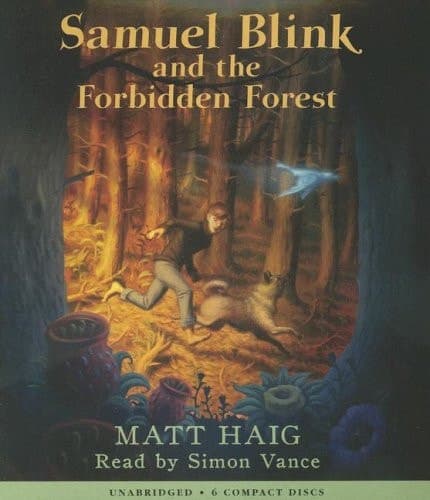
Samuel Blink and the Forbidden Forest - Audio
Matt HaigPublished2007
Formataudiobook
PublisherScholastic Audio Books
Synopsis
A funny and captivating fantasy novel by "a rising young star in the literary galaxy." (Yorkshire Post)
When Samuel and Martha are sent to Norway to live with their Aunt Eda after their parents' deaths, they soon learn her most important rule: NEVER-UNDER ANY CIRCUMSTANCES-GO INTO THE FOREST. She doesn't offer an explanation, but Samuel suspects it might have something to do with a strange guidebook he finds in her attic: The Creatures of Shadow Forest. And when Martha wanders into the trees and is captured by some of the creatures described in the book, Samuel has no choice but to go in after her. What he finds there is an eerie world populated by trolls, truth pixies and other fantastical crea
Recommendations
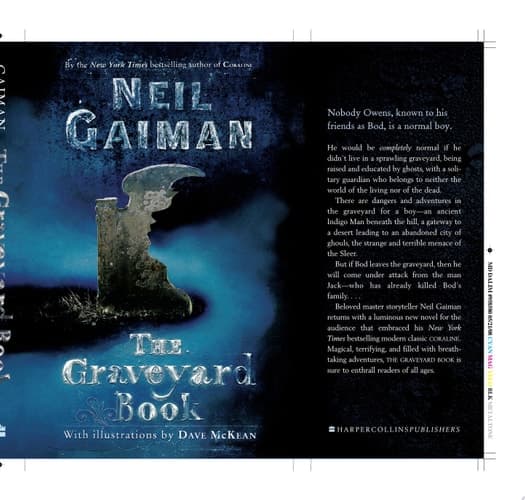
The Graveyard Book
by Neil Gaiman
Gaiman shares Haig's gift for making genuinely eerie settings feel oddly cozy and funny—your protagonist is a boy navigating a supernatural world with rules he must learn quickly, surrounded by creatures that are dangerous but also oddly endearing. The balance between real peril and whimsical humor is nearly identical, and both books treat their young heroes with genuine respect rather than talking down to them.
View book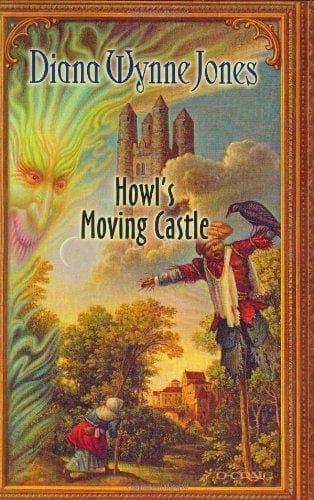
Howl's Moving Castle
by Diana Wynne Jones
Jones has that same Norwegian-fairy-tale sensibility that Haig taps into—a world where the rules are strange and often contradictory, where characters must navigate both literal and metaphorical forests of confusion. The protagonist discovers that the world is far stranger than she imagined, and the book rewards close attention to seemingly throwaway details, much like Haig's guidebook does.
View book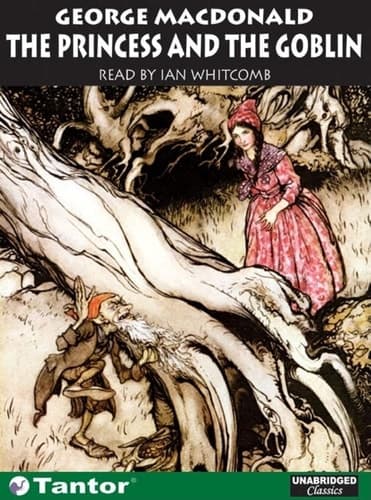
The Princess and the Goblin
by George MacDonald
Here's your gentle surprise: this is fantasy that's more about navigating court politics and learning unwritten social rules than about battles or quests. Like Samuel, your protagonist is thrust into a world he doesn't understand and must figure out its customs through observation and kindness—it has that same quiet intelligence and the same sense that understanding *how* a world works is just as thrilling as the danger within it.
View book
The Phantom Tollbooth
by Norton Juster
Published in 1961, this predates Haig's work but shares its DNA—a young person stumbles into a fantastical realm full of literal interpretations of language and logic, where the landscape itself is a character. Both books treat wordplay and the architecture of their worlds with equal seriousness, and both have that rare quality of being genuinely funny while also being genuinely strange.
View book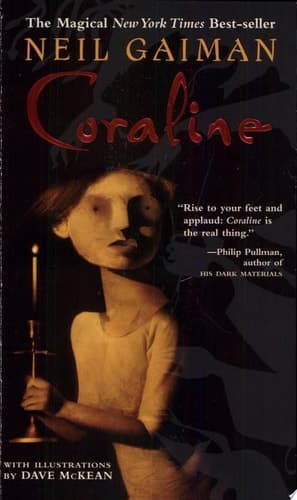
Coraline
by Neil Gaiman
I know—two Gaimans might seem lazy, but Coraline is actually quite different from Graveyard Book in execution, even though both authors share DNA. This one mirrors Samuel Blink's core tension more directly: a child discovers a hidden world that mirrors the real one but with sinister twists, and must use her wits and courage to navigate it. The creeping dread builds the same way Haig's does—gradually, with humor as your only shield.
View bookAbout Matt Haig
M
Matt Haig
Born 1975
Biography coming soon.
View author page