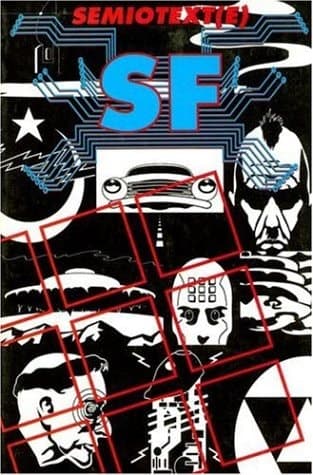
Synopsis
A massive outsider sci-fi anthology. Varied and largely critically-acclaimed material by the obscure, the overexposed and the justly renowned
Recommendations
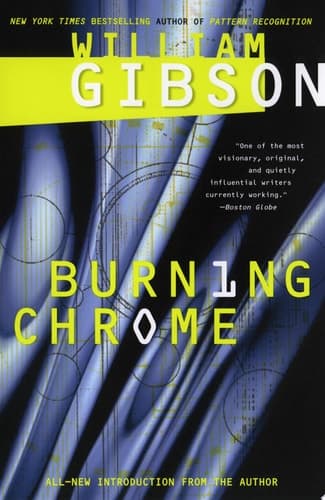
Burning Chrome
by William Gibson
Gibson's short story collection has that same restless, genre-bending energy as Semiotext(e) SF—each piece feels like it's straining against the boundaries of what sci-fi is supposed to be. Where Rucker's anthology celebrates the weird and marginal, Gibson uses the form to ask uncomfortable questions about technology and identity that still feel urgent decades later.
View book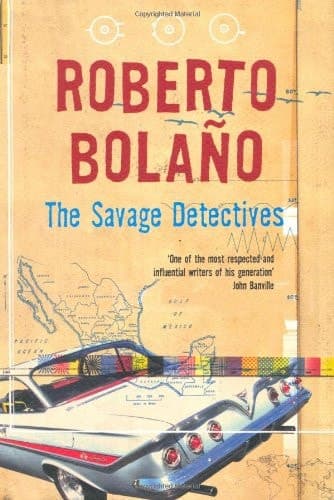
The Savage Detectives A Novel
by Roberto Bolaño
I know—a 900-page literary novel seems like a left turn from an SF anthology, but hear me out: Bolaño structures this like a collage of voices and fragments, the way Rucker's collection assembles wildly different visions of the future. Both works trust the reader to find meaning in juxtaposition rather than neat narrative closure, and both have that obsessive, almost feverish quality of people chasing ideas that matter to them.
View book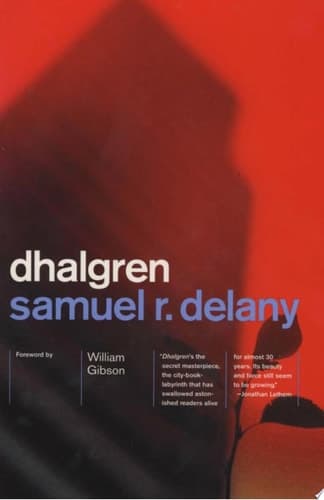
Dhalgren
by Samuel R. Delany
Delany's sprawling, deliberately disorienting novel shares Rucker's commitment to making sci-fi strange and uncompromising—it refuses to explain itself or offer easy answers. The book treats language and sexuality and urban space with the same experimental rigor that the best pieces in Semiotext(e) SF bring to their subjects, and it's genuinely difficult in ways that feel earned rather than pretentious.
View book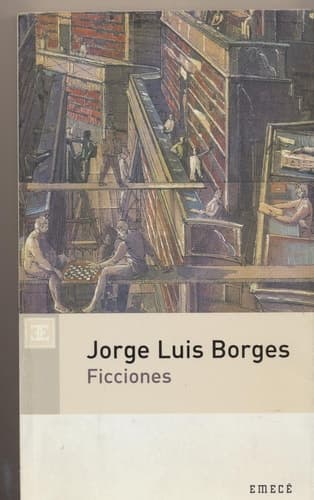
Ficciones
by Jorge Luis Borges
Borges' short stories are the spiritual ancestor of what Rucker's anthology does—each one is a complete thought-experiment, a philosophical puzzle wrapped in narrative. Published in 1944, this gives you that different-decade requirement, but more importantly, Borges shows how sci-fi concepts (infinite libraries, forking timelines, false histories) can be tools for exploring ideas rather than just worldbuilding.
View book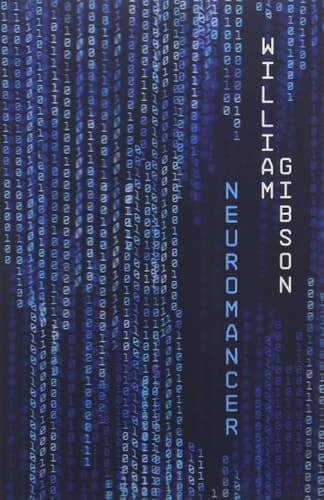
Neuromancer
by William Gibson
Wait—I mean Burroughs' cut-up novels and essay collections, which predate cyberpunk but feel like the literary DNA behind the kind of fragmented, paranoid, formally radical work that dominates Semiotext(e) SF. Burroughs treats narrative like a virus to be dissected and reassembled, and that same anarchic energy runs through the best pieces in Rucker's anthology.
View bookAbout Rudy von Bitter Rucker
Biography coming soon.
View author page