Synopsis
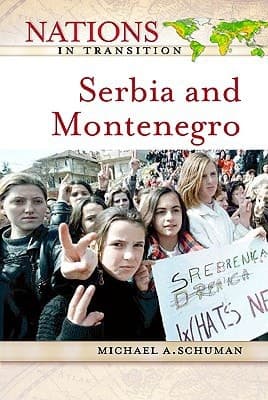
Explores the history, daily life, politics, and culture of Serbia and Montenegro, as well as the many challenges facing the country since the fall of communism.
Recommendations
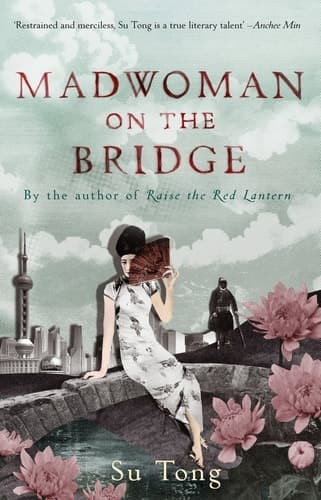
Madwoman on the Bridge
by Su Tong
Andrić gives you the Balkan perspective from the inside—a Nobel Prize-winning novel that uses a single bridge as a lens to examine centuries of Serbian and Bosnian history, occupation, and cultural collision. Where Schuman's book is journalistic and contemporary, Andrić shows you how these tensions were baked into the region's bones through intimate human stories spanning generations.
View book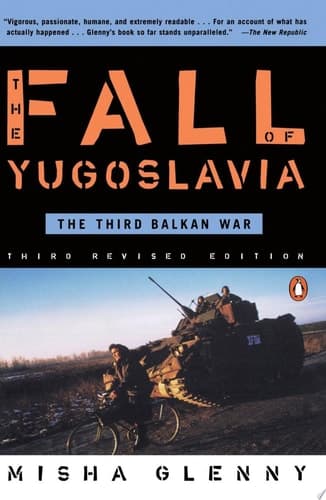
The Fall of Yugoslavia The Third Balkan War, Third Revised Edition
by Misha Glenny
Glenny was a BBC correspondent who actually reported from the region during the 1990s wars, so this reads like a firsthand account woven into rigorous analysis—it's the narrative backbone for understanding exactly *why* the political chaos Schuman describes happened. Think of it as the 'what came before and why' companion to Schuman's 'where things stand now' assessment.
View book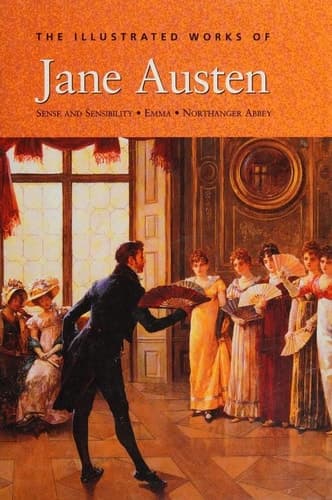
The Illustrated Works of Jane Austen Sense and Sensibility; Emma; Northanger Abbey
by Jane Austen
This is your surprise pick—hear me out. You've just absorbed a dense, serious book about post-communist transition and national identity. Austen offers something completely different: sharp social observation about how ordinary people navigate systems that constrain them, told with wit rather than gravity. The Dashwood sisters are dealing with economic precarity and social rules in Regency England the way Schuman's subjects navigate post-1989 uncertainty—but Austen makes you laugh while she's doing it.
View book
Homo Aestheticus The Invention of Taste in the Democratic Age
by Luc Ferry
Shore is a historian who interviewed people across the former Eastern Bloc about how they actually *lived* through and after communism's collapse—it's deeply personal oral history rather than top-down political narrative. You'll recognize the same themes Schuman covers, but filtered through individual voices and memories, which gives you the texture of what daily life actually felt like during that transition.
View book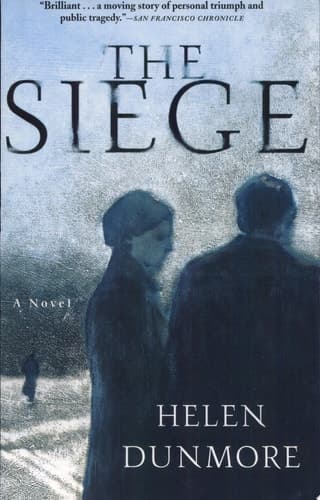
The Siege
by Helen Dunmore
Dunmore sets this novel during the Siege of Leningrad, but it's really about how ordinary families survive when their world collapses—rationing, fear, moral compromises, and the small acts of love that keep people human. It gives you a literary, intimate look at what authoritarian collapse and survival actually *feels* like on the ground, which contextualizes the broader historical forces Schuman analyzes.
View bookAbout Michael Schuman
M
Michael Schuman
Born 1953
Biography coming soon.
View author page