
Synopsis
Shame, the quintessential human emotion, received little attention during the years in which the central forces believed to be motivating us were identified as primitive instincts like sex and aggression. Now, redressing the balance, there is an explosion of interest in the self-conscious emotion. Much of our psychic lives involve the negotiation of shame, asserts Michael Lewis, internationally known developmental and clinical psychologist. Shame is normal, not pathological, though opposite reactions to shame underlie many conflicts among individuals and groups, and some styles of handling shame are clearly maladaptive. Illustrating his argument with examples from everyday life, Lewis draws on his own pathbreaking studies and the theory and research of many others to construct the first comprehensive and empirically based account of emotional development focused on shame. In this paperback edition, Michael Lewis adds a compelling new chapter on stigma in which he details the process in which stigmatization produces shame.
Recommendations
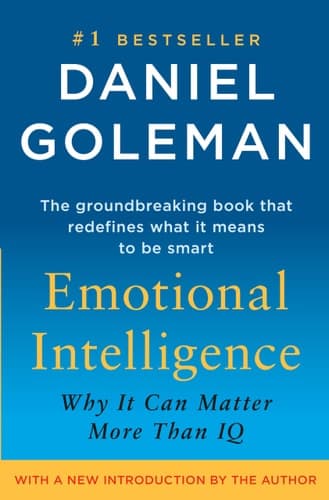
Emotional Intelligence Why It Can Matter More Than IQ
by Daniel Goleman
Goleman takes Lewis's framework about shame and emotional development and expands it into a practical map of how emotions actually govern our decision-making and relationships. Where Lewis gives you the psychology of shame specifically, Goleman shows you how shame fits into the larger emotional ecosystem—and crucially, how people develop the capacity to manage these feelings constructively rather than be controlled by them.
View book
The Body Keeps the Score Brain, Mind, and Body in the Healing of Trauma
by Bessel A. Van der Kolk
Van der Kolk explores how traumatic experiences—which often involve profound shame—literally reshape our nervous systems and how we process emotion. It's a natural companion to Lewis because it asks: what happens when shame becomes embedded in the body itself? The book moves beyond theory into clinical observation, showing readers the mechanisms behind why some people get stuck in shame cycles while others recover.
View book
Thinking Past Terror Islamism and Critical Theory on the Left
by Susan Buck-Morss
This is your surprise pick—it's not about emotions at all on the surface, but Kahneman's exploration of cognitive biases reveals the hidden logic behind why we feel shame in the first place. He shows how our minds construct narratives about ourselves and others, which is precisely where shame takes root. If Lewis explained the emotion, Kahneman explains the thinking patterns that generate it.
View book
The Presentation of Self in Everyday Life
by Erving Goffman
Goffman's classic (from 1959, giving you that cross-decade recommendation) is about the social performance we all engage in—and shame is what happens when that performance fails or is exposed. Lewis actually builds on Goffman's insights about self-presentation, so reading this earlier work will deepen your understanding of why Lewis sees shame as so central to human social life. It's sociological rather than purely psychological, which gives you a different angle on the same terrain.
View book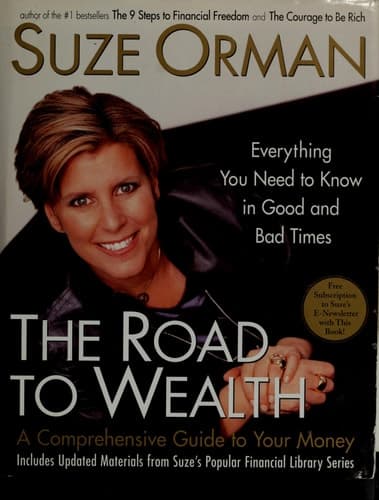
The Courage to Be Rich Creating a Life of Spiritual and Material Abundance
by Suze Orman
Written as a dialogue between a philosopher and a young man, this book tackles Adlerian psychology's answer to shame and social anxiety—which is radically different from Lewis's developmental approach. Where Lewis helps you understand shame's origins, Kishimi offers a philosophical counterargument: that much of our shame comes from seeking approval we don't actually need. It's practical and sometimes provocative, and it'll push back against some of Lewis's assumptions in productive ways.
View bookAbout Michael Lewis
M
Michael Lewis
Born 1962
Biography coming soon.
View author page