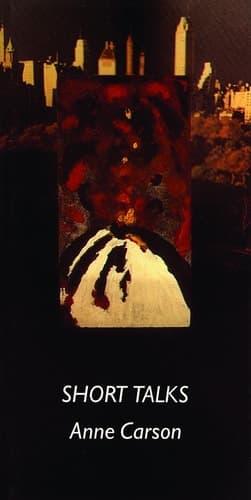
Synopsis
Lyric sermons: Riddle-poems that consist only of answers: Lou Reid meets Claude Monet and converts to Zen: The pure hilarious ache of ontology: Short Talks is elegiac, perceptive, droll. It is the first book-length collection by an accomplished, original voice. Sunday mornings are never going to be the same again.
"The voice is laconic and composed but its images come off these pages resonant (more than resonant, shaking) with their own newness." -- Don Coles
Recommendations
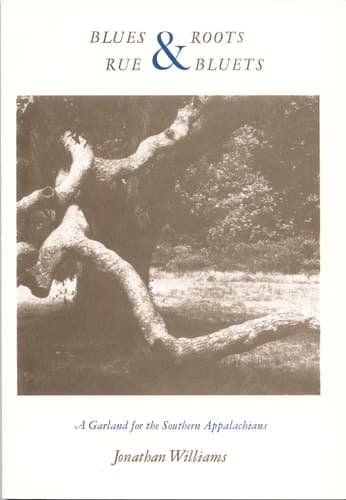
Blues and Roots/Rue and Bluets A Garland for the Southern Appalachians
by Jonathan Williams
Nelson does what Carson does—she takes a philosophical concept (in this case, the color blue and heartbreak) and fractures it into lyric fragments, numbered passages, and meditative interruptions. Both writers refuse to let form follow content; instead, they make the form *be* the thinking. You'll recognize that same composed voice delivering genuinely disorienting emotional truths.
View book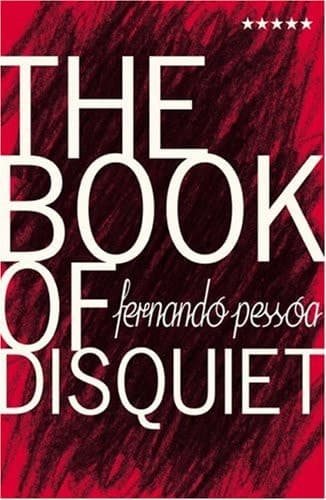
The Book of Disquiet
by Fernando Pessoa
This is a surprise in that it reads like a diary but functions as poetry—Pessoa's prose has that same laconic, aphoristic quality as Carson's short talks, where each fragment contains a complete philosophical tremor. Published posthumously in the 1980s but written across decades, it shares Carson's ability to make the mundane ontologically shaky.
View book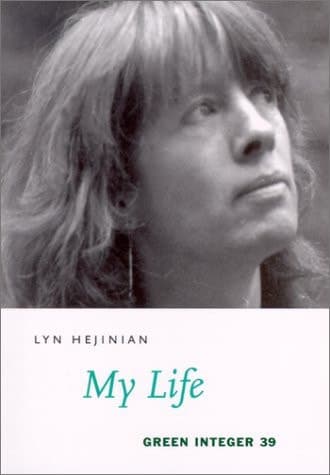
My Life (Green Integer Books, 39)
by Lyn Hejinian
Hejinian's autobiographical prose poem operates in that same space where Carson lives—where memory becomes riddle, where the act of describing something ordinary (a childhood, a room) becomes a philosophical investigation. Like Carson, she trusts that precision and strangeness are the same thing.
View book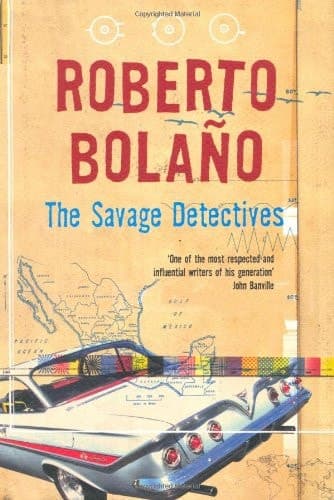
The Savage Detectives A Novel
by Roberto Bolaño
Here's the risk: it's 900 pages versus Carson's brevity, but Bolaño shares her conviction that form should *enact* meaning rather than contain it. His novel is structured like a series of overlapping monologues and fragments—it has that same hilarious, aching quality where intellectual rigor and emotional vulnerability become indistinguishable. The voice is droll in exactly Carson's way.
View book
The Argonauts
by Aleister Crowley
Nelson again, but differently—this is essay-theory-poetry hybrid that moves through Stein, Wittgenstein, and queer theory with the same composed precision Carson brings to Monet and Zen. It's how a contemporary thinker writes when they've learned from Carson: making philosophy feel like it's being discovered in real time, with that same elegant drollness underneath.
View bookAbout Anne Carson
A
Anne Carson
Born 1950
Biography coming soon.
View author page