Synopsis
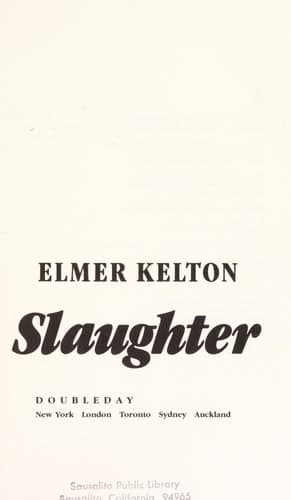
Although Crow Feather and his Comanche tribe rule the southern plains, Confederate veteran Jeff Layne and his party of desperate hide seekers, traveling from Dodge City, refuse to be turned back from their trek.
Recommendations
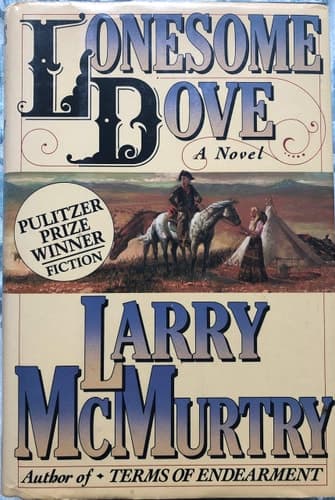
Lonesome Dove A Novel
by Larry McMurtry
McMurtry shares Kelton's gift for depicting the actual texture of frontier life—the exhaustion, the moral compromises, the way survival demands you become someone you didn't plan to be. Where Slaughter gives you the collision between cultures in compressed form, Lonesome Dove sprawls across an entire cattle drive to let those tensions breathe and develop, with characters who feel equally weathered by circumstance.
View book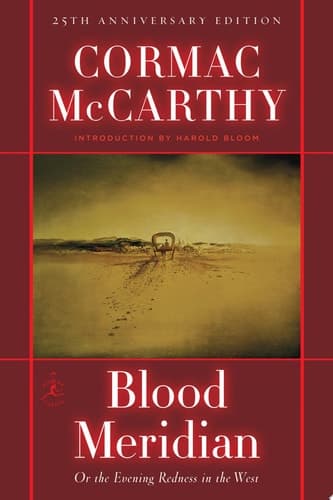
Blood Meridian, Or, The Evening Redness in the West
by Cormac McCarthy
If Slaughter showed you the hide-seekers' perspective on the frontier, McCarthy shows you the same historical moment through an almost biblical lens—violent, unsparing, and philosophically relentless. Both novels refuse to sentimentalize the West, but McCarthy pushes further into examining what violence actually *does* to the people who survive it, making the brutality feel consequential rather than incidental.
View book
The Brothers and Sisters Learn to Write Popular Literacies in Childhood and School Cultures
by Anne Haas Dyson
This one's a bit of a curveball—it's a western, yes, but deWitt writes with a darkly comic sensibility that transforms the genre. Two assassin brothers navigate the Gold Rush frontier with a tenderness and absurdist humor that contrasts beautifully with the violence surrounding them. You get that same frontier desperation as Slaughter, but filtered through a more intimate, psychologically complex lens.
View book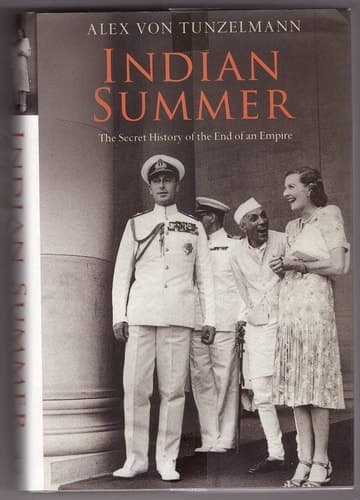
Indian Summer The Secret History of the End of an Empire
by Alex Von Tunzelmann
This is your surprise recommendation—it's narrative nonfiction rather than fiction, but it tells the true story of the Comanche rise to dominance on the plains with the same dramatic tension Kelton creates in Slaughter. Gwynne captures Crow Feather's world from the historical record, showing you the actual strategies, personalities, and cultural practices behind the conflict, which deepens your appreciation for what Kelton was dramatizing.
View book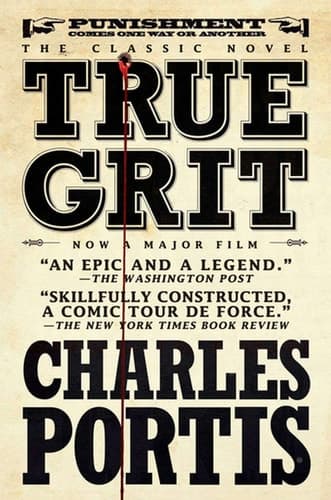
True Grit
by Charles Portis
Published in 1968, this one reaches back a decade before Slaughter, and Portis has a completely different narrative voice—told by a sharp, elderly woman recounting her frontier justice quest with wry intelligence. Like Kelton, he captures the actual logistics and hardship of frontier life, but his prose style is more literary and his humor more cutting, giving you a different angle on similar terrain.
View bookAbout Elmer Kelton
E
Elmer Kelton
Born 1926
Biography coming soon.
View author page