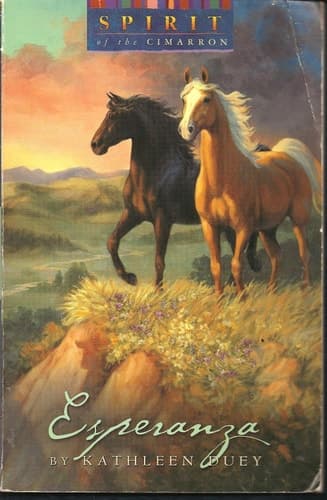
Spirit of the West 3: Esperanza
Kathleen DueyPublished2002
Pages128
Formatpaperback
PublisherPenguin Group (USA) Incorporated
Synopsis
Adventure, drama, wild horses running free. The American West is brought to life through the eyes of the horses who were there in a new program of books inspired by Spirit: Stallion of the Cimarron, the new film coming May 2002 from DreamWorks.
Strider is a wild mustang born to freedom in the Cimarron Valley. When a drought hits the valley, Strider sets out to find the horses a new place to live. But on the way, danger strikes, and Strider must make the ultimate sacrifice for the herd.
Recommendations
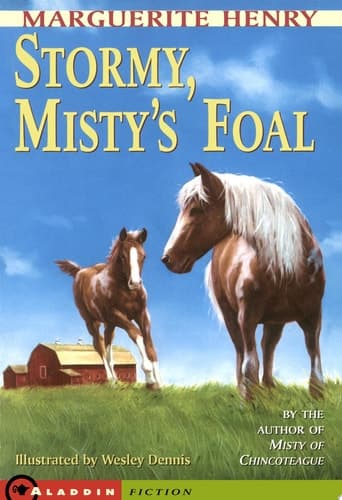
Stormy, Misty's Foal
by Marguerite Henry
Henry captures that same sense of wild horses as protagonists with genuine agency and emotional depth, but her prose has a quieter, more lyrical quality that lets you really inhabit the horses' perspectives. Published in 1963, this gives you a chance to see how horse-centered adventure literature evolved—Henry's approach feels more introspective than Duey's action-driven narrative, yet equally compelling.
View book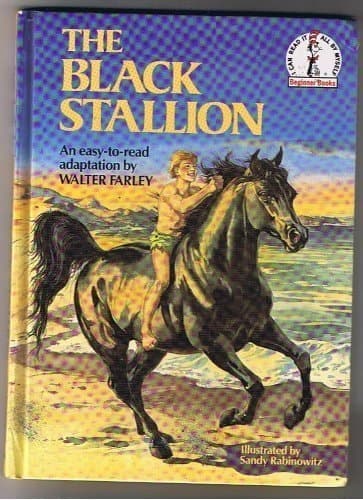
The Black Stallion
by Walter Farley
Farley builds his entire story around the bond between human and horse, with the same kind of high-stakes adventure you loved in Esperanza, but he adds genuine mystery and a shipwreck opening that feels more cinematic. The pacing is relentless in a way that will keep you turning pages just as fast as you did with Duey.
View book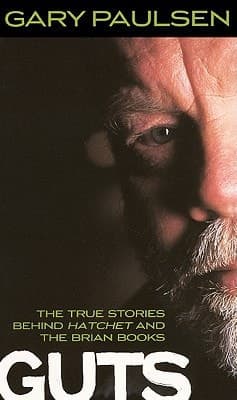
Guts The True Stories Behind Hatchet and the Brian Books
by Gary Paulsen
This might seem like a left turn from horses to a human protagonist, but Paulsen writes survival with the same unflinching attention to nature's indifference that Duey brings to the Cimarron Valley. The drought in Esperanza is a character itself; here, the Canadian wilderness is equally unforgiving and equally real. You'll recognize that same respect for how animals and humans navigate impossible circumstances.
View book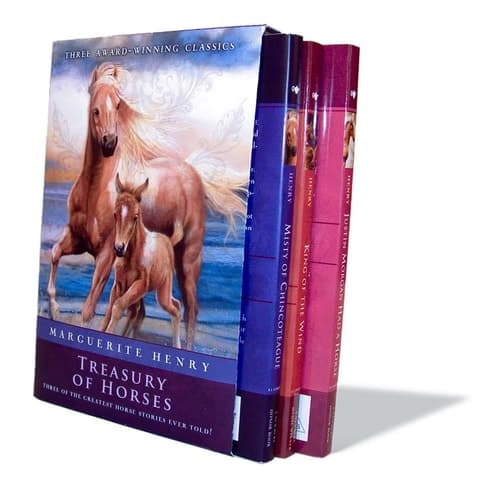
Marguerite Henry Treasury of Horses (Boxed Set) Misty of Chincoteague, Justin Morgan Had a Horse, King of the Wind
by Marguerite Henry
I know—two Henry recommendations might seem excessive, but this one's genuinely different in scope. It spans continents and centuries through the life of a single Arabian horse, giving you that epic sweep of history filtered through an animal's experience. Where Esperanza is intimate and immediate, this one is grand and layered, yet both trust their horse characters completely.
View book
A Reading Guide to Julie of the Wolves by Jean Craighead George
by Danielle Denega
George does something remarkable here: she makes wolves as central to the emotional landscape as Duey makes horses, and she weaves in Inuit culture and Arctic ecology with the same naturalistic detail you appreciated in the Cimarron setting. It's quieter and more introspective than Esperanza, with a girl learning to read animal behavior the way Strider reads the land—there's real wisdom underneath the adventure.
View bookAbout Kathleen Duey
Biography coming soon.
View author page