Synopsis
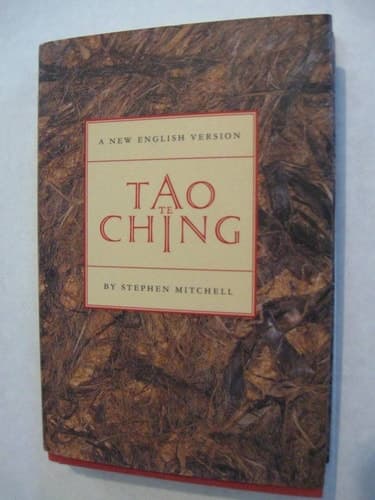
The most widely known and read Chinese classic in the West, the Tao Teh Ching is a series of insightful comments on life and nature. Part poetry, part paradox, always forceful and profound, the Tao Teh Ching has been leading its readers to expand their view of life since it was written over two thousand years ago.
The Tao Teh Ching teaches that the qualities of the enlightened sage or ideal ruler are identical with those of the perfected individual. This lucid translation demonstrates that these teachings are as useful in the arts of leadership as they are in developing a sense of balance and harmony in everyday life. John C. H. Wu has done a remarkable job rendering this difficult and subtle text into English while retaining the freshness and depth of the original. This edition features the Chinese text alongside the English translation.
The Shambhala Library is a series of exquisitely designed and produced cloth editions of the world's spiritual and literary classics, both ancient and modern. Perfect for collecting or as gifts, each volume features a sewn binding, decorative endsheets, and a ribbon marker—a delightful-to-hold 4 ¼ x 6 ¾ trim size.
Recommendations
Generating recommendations…
Our AI is preparing recommendations for Tao Te Ching (Shambhala Library). This usually takes under a minute.
About Lao Tzu
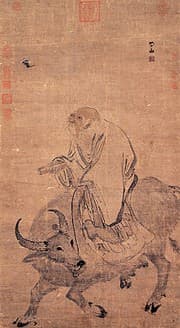
Laozi (Chinese: 老子; pinyin: Lǎozǐ; Wade–Giles: Laosi; also Lao Tse, Lao Tu, Lao-Tzu, Lao-Tsu, Laotze, Lao Zi, Laocius, and other variations) was a mystic philosopher of ancient China, and is a central figure in Taoism (also spelled "Daoism"). Laozi literally means "old master", and is generally considered honorific. Laozi is revered as a deity in most religious forms of Taoism. Taishang Laojun is title for Laozi in the Taoist religion, which refers to him as "One of the Three Pure Ones". According to Chinese tradition, Laozi lived in the 6th century BC. Historians variously contend that Laozi is a synthesis of multiple historical figures, that he is a mythical figure, or that he actually lived in the 4th century BC, concurrent with the Hundred Schools of Thought and Warring States Period. A central figure in Chinese culture, both nobility and common people claim Laozi in their lineage. Throughout history, Laozi's work has been embraced by various anti-authoritarian movements. **Source**: [Laozi](https://en.wikipedia.org/wiki/Laozi) on Wikipedia.
View author page