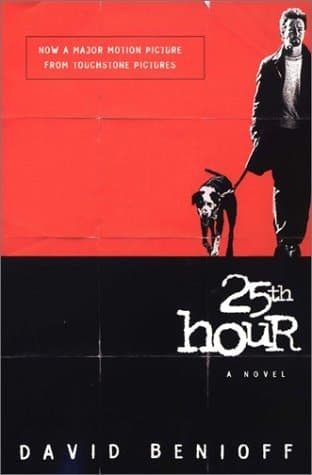
Synopsis
Originally published: New York: Carroll & Graf Pub., 2000.
Recommendations
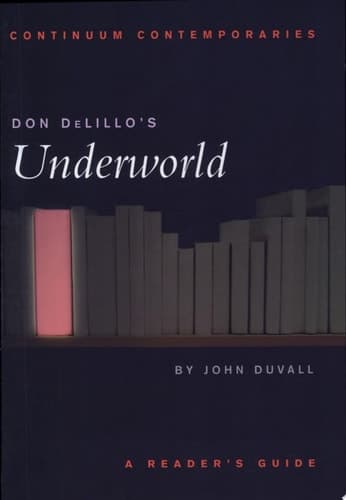
Don DeLillo's Underworld A Reader's Guide
by John Duvall
DeLillo shares Benioff's gift for weaving together disparate narrative threads into a portrait of American anxiety and moral ambiguity. Like The 25th Hour, this novel uses a sprawling structure to examine how individuals are caught in larger systems—whether criminal, historical, or social—that dwarf their personal agency. The prose has that same unflinching quality, examining characters without sentimentality.
View book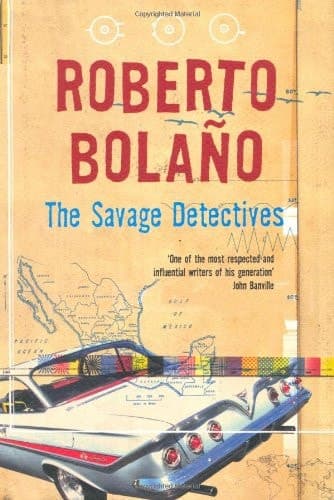
The Savage Detectives A Novel
by Roberto Bolaño
This is the surprise pick, but hear me out: Bolaño captures that same claustrophobic intensity of watching characters spiral through a city, except he stretches it across continents and decades. Where Benioff gives you one brutal day in New York, Bolaño gives you the obsessive, repetitive patterns of lives lived on the margins. Both authors refuse to make their protagonists sympathetic, instead making them fascinatingly, uncomfortably real.
View book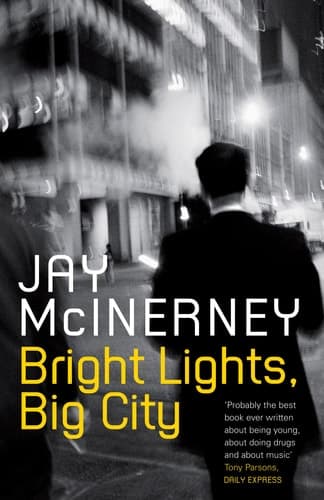
Bright Lights, Big City
by Jay McInerney
McInerney's second-person narration creates an immediacy and entrapment that echoes Benioff's claustrophobic New York atmosphere, though from the opposite social stratum. Both novels are essentially about watching someone self-destruct in real time, with the city itself becoming a character that enables and reflects that destruction. The pacing is relentless in both—you're trapped in the protagonist's headspace.
View book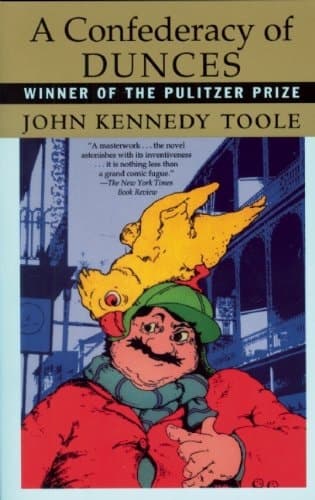
A Confederacy of Dunces
by John Kennedy Toole
Published in 1980, this gives you that decade-spanning perspective while maintaining Benioff's dark comedic sensibility about flawed men navigating urban spaces. Toole's Ignatius is as trapped and raging as Spike Lee's protagonist, but the novel finds absurdist humor in that entrapment rather than pure despair. Both books use a compressed timeframe to examine how character and circumstance collide.
View book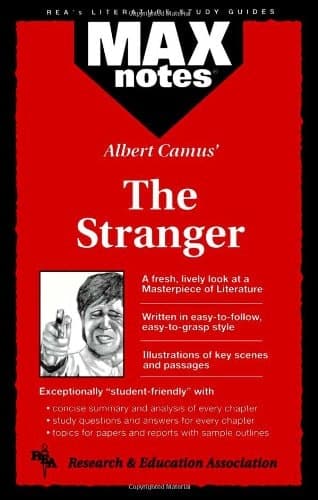
Albert Camus' The Stranger
by Kevin Kelly
This is the literary-philosophical curveball: Camus's Meursault and Benioff's Spike are both men moving through their final hours with a kind of detached alienation from the world around them. Where The 25th Hour is visceral and contemporary, Camus is spare and existential, but both explore what happens when someone stops performing the role society expects of them. It's a meditation on authenticity and consequence that will deepen your understanding of what Benioff was doing.
View bookAbout David Benioff
Biography coming soon.
View author page