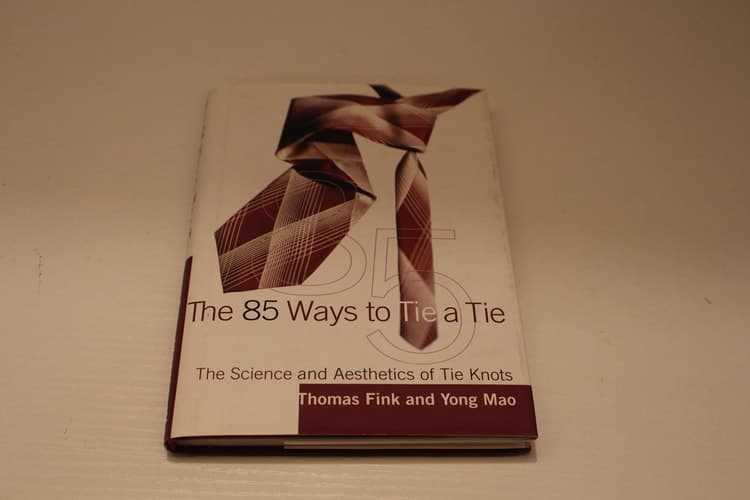
The 85 Ways to Tie a Tie: The Science and Aesthetics of Tie Knots
Thomas FinkPublished2000
Pages144
Formathardcover
PublisherBroadway
Synopsis
Until 1900 there was only one. In the 1930s, Edward, the Prince of Wales, became the unwitting embodiment of two more, even though he in fact wore neither. It was not until 1989 that a fourth became popular. Throughout the 150-year his-tory of the modern tie, only four tie knots have been recognized. That is, until now.
In this history of and guide to tie wearing, Thomas Fink and Yong Mao trace the peculiar evolution of the knotted neckcloth from the seventeenth century to its modern form. These two Cambridge physicists applied a model more often used to describe atomic motion to the twists and turns of this central item of men's dress. They discovered eighty-five ways to tie a tie, thirteen of which survived their aesthetic test, and earned their recommendation. The result is a rich blend of history, science, fashion, and practicality that will become the must-have accessory for all well-dressed men.
Wonderfully illustrated and wittily written, this little classic of sartorial elegance will charm and inform in equal measure.
Recommendations
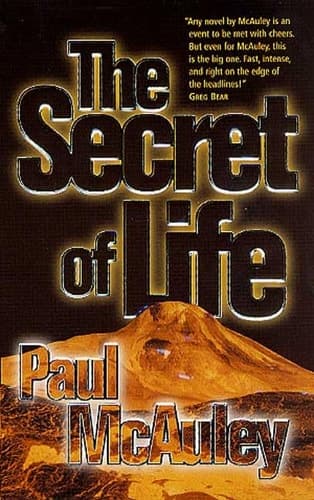
The Secret of Life
by Paul McAuley
You've just read a book that applies rigorous scientific methodology to something most people never think twice about—and Hamilton does exactly the same thing with the everyday items in your pantry. She traces the hidden systems, histories, and surprising physics behind ordinary objects, revealing that the mundane world is far more complex and fascinating than it appears on the surface.
View book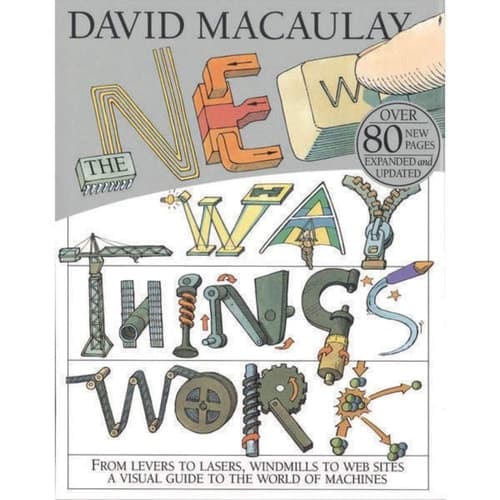
The New Way Things Work
by David Macaulay
Macaulay shares Fink's gift for making technical subjects genuinely delightful through illustration and wit. Where Fink used physics to unlock the geometry of tie knots, Macaulay uses drawings and humor to reveal how simple machines underpin everything we use—and like Fink's work, it's the kind of book that makes you see ordinary objects with fresh wonder.
View book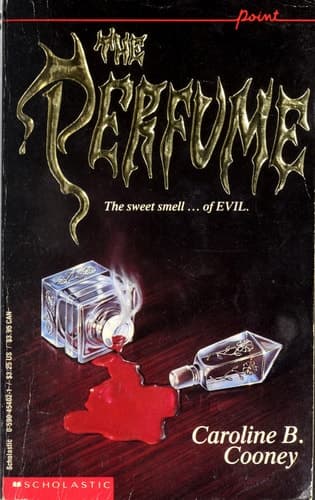
The Perfume
by Caroline B. Cooney
Here's your surprise pick: a literary novel set in 1940s Paris that shares something essential with your tie book—an obsessive, almost scholarly attention to a single object of beauty and desire. Schaffert weaves fragrance, fashion, and history together the way Fink wove knots and physics, creating something that's simultaneously a love story, a historical mystery, and a meditation on craftsmanship and elegance.
View book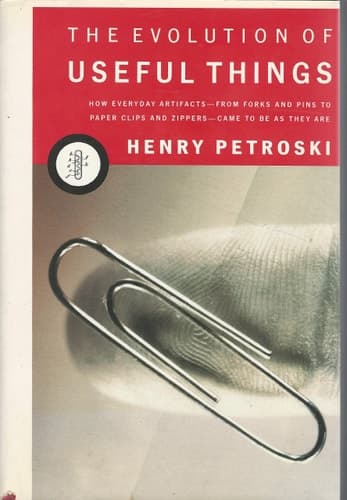
The Evolution Of Useful Things
by Henry Petroski
Petroski is essentially doing what Fink did—applying engineering and historical analysis to objects we take for granted—but across an entire collection of everyday items from forks to zippers to paper clips. His approach is similarly rigorous yet conversational, and you'll find the same satisfaction in understanding how form follows function, and how small innovations compound over centuries.
View book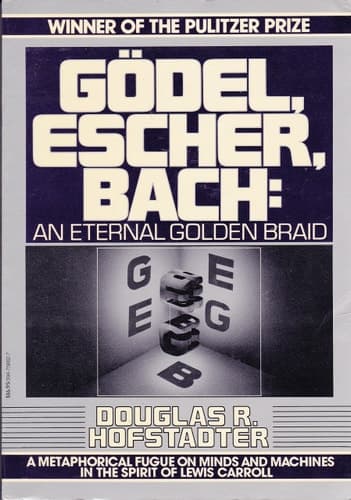
Gödel, Escher, Bach: An Eternal Golden Braid
by Douglas Hofstadter
This 1979 classic operates on the same principle as your tie book—finding unexpected mathematical and structural patterns in human creativity and culture. Where Fink discovered 85 possible knots through applied physics, Hofstadter explores how music, art, and mathematics reveal the same underlying recursive patterns. It's ambitious, playful, and rewards the kind of careful attention you clearly enjoy.
View bookAbout Thomas Fink
Biography coming soon.
View author page