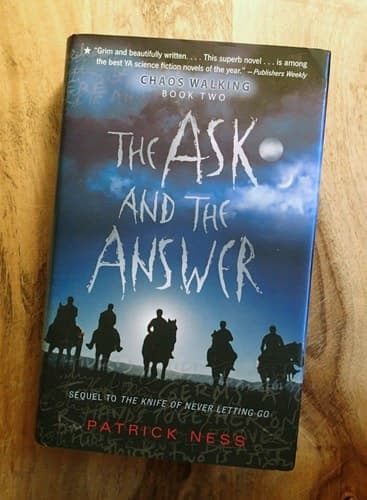
The Ask and the Answer: Chaos Walking: Book Two
Patrick NessPublished2009
Pages528
Formathardcover
PublisherCandlewick
Synopsis
We were in the square, in the square where I'd run, holding her, carrying her, telling her to stay alive, stay alive til we got safe, till we got to Haven so I could save her -
Recommendations

The 5th Wave
by Richard Yancey
Like Ness, Yancey builds his world through fragmented perspectives and unreliable narration—you're constantly reassessing what's true as characters discover they've been manipulated. The relationship between Cassie and Evan mirrors Todd and Viola's dynamic: two people from opposing sides learning to trust each other while everything around them collapses, with the same gut-wrenching emotional stakes beneath the survival narrative.
View book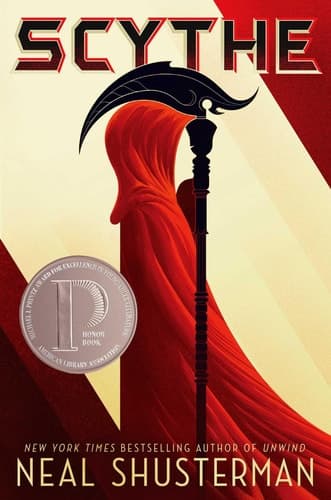
Scythe
by Neal Shusterman
Shusterman does what Ness does so well—he takes a premise that could be simple sci-fi and uses it to explore power, consent, and what it means to have agency in a system designed to strip it away. Both books feature protagonists forced into roles they didn't choose, learning brutal truths about authority figures they thought they could trust, with prose that's propulsive but never sacrifices character complexity.
View book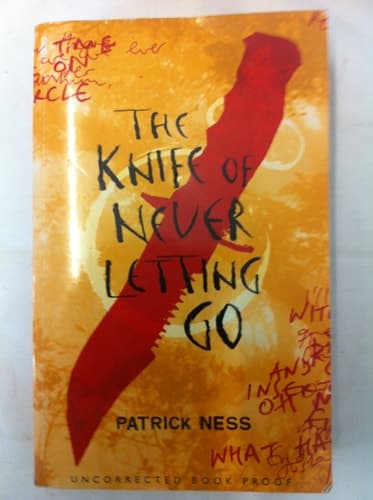
The Knife of Never Letting Go
by Patrick Ness
Wait—I know you just finished book two, but if you haven't read the first in the trilogy yet, this is essential. If you have, skip this one. But if there's any chance you started with The Ask and the Answer, Todd's introduction and the revelation of Prentisstown's true nature will recontextualize everything you've read.
View book
The Young Elites
by Marie Lu
This is the surprise pick—where Ness gives you protagonists you root for despite their flaws, Lu inverts that: Adelina is genuinely ruthless and self-serving, yet you understand her completely. Both books refuse the comfort of clear heroes and villains, but Lu's approach is darker, more operatic. If you loved how Ness made you complicit in Todd's moral compromises, you'll be fascinated by how Lu makes you sympathize with someone actively choosing villainy.
View book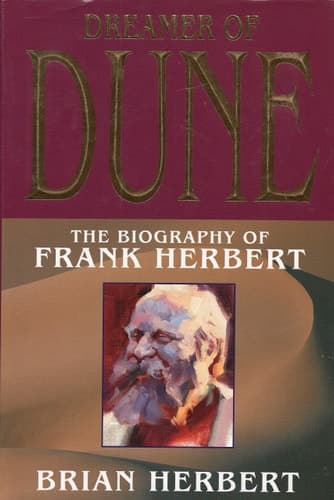
Dreamer of Dune The Biography of Frank Herbert
by Brian Herbert
Published in 1965, this is your different-decade pick, and it shares Ness's obsession with how systems of power corrupt even well-intentioned people. Paul's arc—becoming the thing he feared, trapped by prophecy and expectation—echoes Todd's trajectory. Herbert builds his world through competing factions and unreliable information the way Ness does, and both authors understand that survival often means becoming monstrous.
View bookAbout Patrick Ness
P
Patrick Ness
Born 1971
Biography coming soon.
View author page