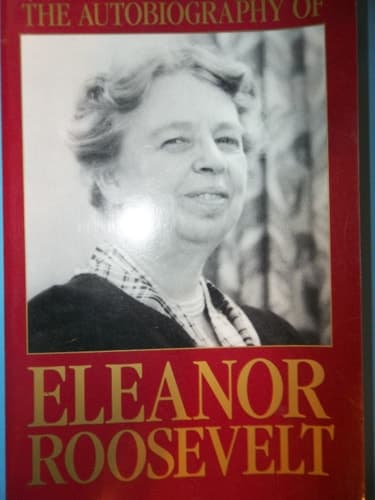
The Autobiography Of Eleanor Roosevelt
Eleanor RooseveltPublished1992
Pages504
Formatpaperback
PublisherDa Capo Press
Synopsis
The long and eventful life of Eleanor Roosevelt (1884–1962) was full of rich experiences and courageous actions. The niece of Theodore Roosevelt, she married a distant relative and Columbia University law student named Franklin Delano Roosevelt; he gradually ascended throughout the world of New York politics to reach the U.S. presidency in 1932. Throughout his three terms, Eleanor Roosevelt was not only intimately involved in FDR's personal and political life, but led women's organizations and youth movements and fought for consumer welfare, civil rights, and improved housing. During World War II she traveled with her husband to meet leaders of many powerful nations; after his death in 1945 she worked as a UN delegate, chairman of the Commission on Human Rights, newspaper columnist, Democratic party activist, world-traveler, and diplomat. By the end of her life, Eleanor Roosevelt was recognized throughout the world for her fortitude and commitment to the ideals of liberty and human rights. Her autobiography constitutes a self-portrait no biography can match for its candor and liveliness, its wisdom, tolerance, and breadth of view—a self-portrait of one of the greatest American humanitarians of our time.
Recommendations
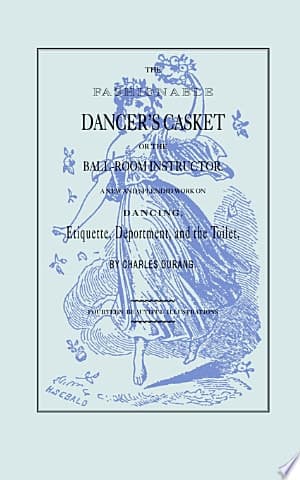
The Fashionable Dancer's Casket, Or, The Ball-room Instructor A New and Splendid Work on Dancing, Etiquette, Deportment, and the Toilet
by Charles Durang
Larson captures Churchill during the London Blitz with the same intimate, humanizing approach Eleanor uses in her autobiography—you get the private person alongside the public figure navigating impossible circumstances. Both books show how personal resilience and moral conviction shape historical moments, but Larson's narrative style makes it feel like you're in the room watching decisions unfold in real time.
View book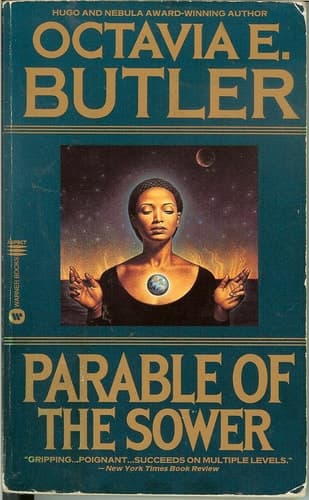
Parable of the Sower
by Octavia E. Butler
This is the surprise pick—it's science fiction, but what makes it work for you is that Butler's protagonist shares Eleanor's core conviction: that building community and advocating for the vulnerable matters even when systems are collapsing around you. The book explores how one person's vision for human rights and dignity can take root across generations, just as Eleanor's work did, but through a speculative lens that makes you see her legacy with fresh eyes.
View book
My Life in France
by Julia Child
Child's memoir has that same candid, warm voice Eleanor perfected—she's funny about her own missteps and genuinely curious about the world around her. Where Eleanor's story is about political transformation, Julia's is about personal transformation through passion and persistence, but both women refused to be confined by what others expected of them, and both write about it with infectious joy.
View book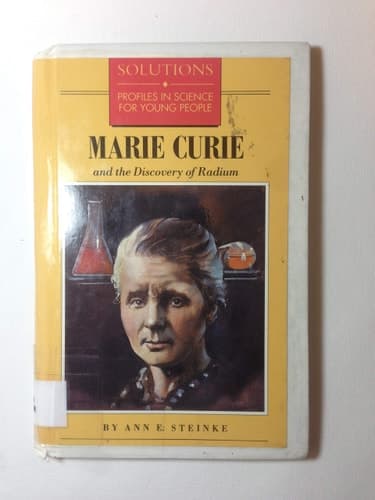
Marie Curie and the Discovery of Radium
by Ann E. Steinke
Moore tells the story of women factory workers who fought corporate negligence and won—it's the kind of grassroots civil rights and consumer welfare battle that Eleanor championed, but told from the ground up rather than from the corridors of power. You'll see the human cost of the issues Eleanor advocated for, and how ordinary people became activists out of necessity.
View book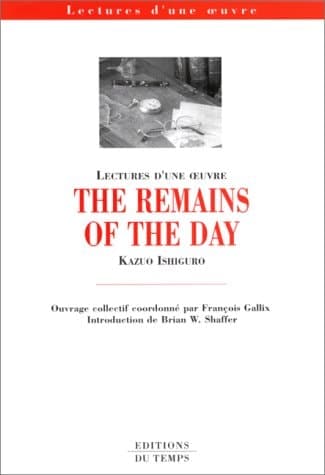
The remains of the day de Kazuo Ishiguro
by Gallix/François
This is a quieter, more introspective meditation on duty, regret, and the gap between public service and personal authenticity—themes that run beneath Eleanor's narrative even as she celebrates her accomplishments. Ishiguro's butler narrator reflects on a life of service with the same unflinching honesty Eleanor brings to her own story, and you'll find yourself thinking about what it costs to live for something larger than yourself.
View bookAbout Eleanor Roosevelt
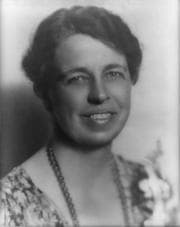
Eleanor Roosevelt
1884–1962
First Lady of the United States from 1933 to 1945. She supported the New Deal policies of her husband, [Franklin Delano Roosevelt][1], and became an advocate for civil rights [1]: /authors/OL26478A
View author page