Synopsis
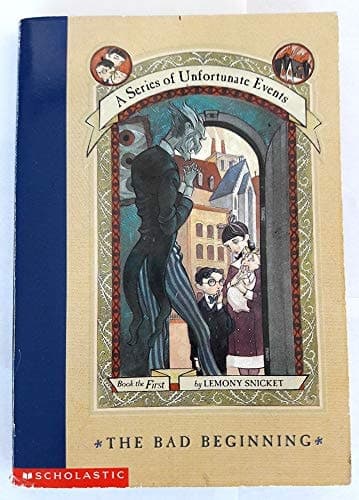
After the sudden death of their parents, the three Baudelaire children must depend on each other and their wits when it turns out that the distant relative who is appointed their guardian is determined to use any means necessary to get their fortune.
Recommendations
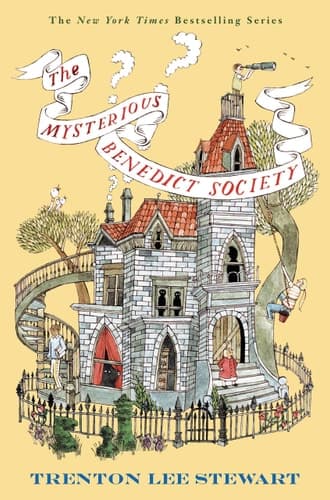
The Mysterious Benedict Society
by Trenton Lee Stewart
Stewart captures that same darkly comedic tone where children must outwit adults through cleverness rather than strength, but he adds a layer of mystery-box plotting that unfolds more gradually than Snicket's relentless misfortune. The found-family dynamic among the four gifted children echoes the Baudelaires' interdependence, except here they're actively solving puzzles rather than just surviving catastrophe.
View book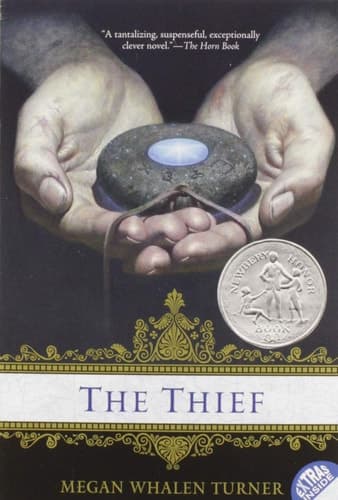
The Thief
by Megan Whalen Turner
This 1996 novel shares Snicket's love of unreliable narration and plot twists that recontextualize everything you thought you understood, but Turner trusts her reader to piece together a conspiracy without a sardonic narrator spelling out the danger. Like the Baudelaires, your protagonist must navigate a world where authority figures are corrupt and survival depends on reading people carefully.
View book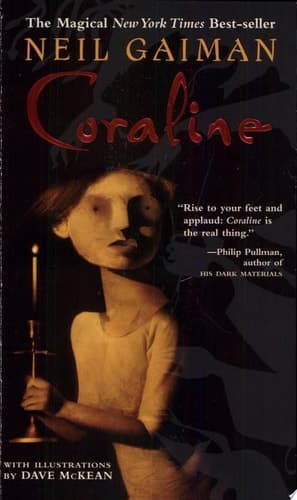
Coraline
by Neil Gaiman
Gaiman writes children in genuine peril with the same matter-of-fact tone Snicket uses, but he leans into Gothic atmosphere rather than Victorian melodrama—your skin will crawl in ways that The Bad Beginning's misfortunes don't quite achieve. Both feature a young protagonist who must rely on observation and courage when adults have failed them, but Gaiman's world operates on dream-logic rather than cruel probability.
View book
Mary Wollstonecraft and the Feminist Imagination
by Barbara Taylor
Here's your surprise pick: this is historical fiction about young Ada Lovelace and Mary Shelley solving crimes in Victorian London, which sounds nothing like Snicket until you realize it's built on the same architecture of clever children outsmarting powerful adults through wit and observation. Stratford writes with genuine warmth toward his characters while still maintaining that sense of a dangerous world they're navigating—it's what The Bad Beginning might feel like if the Baudelaires occasionally won.
View book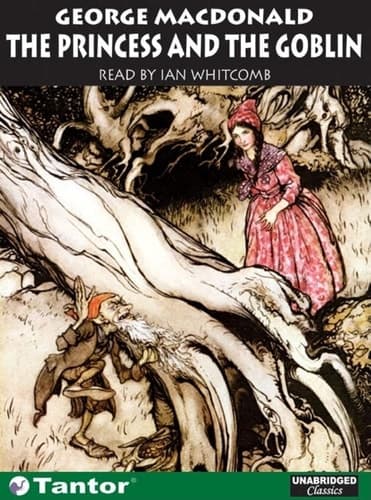
The Princess and the Goblin
by George MacDonald
Addison's protagonist is suddenly thrust into a position of power among hostile, scheming adults—much like the Baudelaires' guardianship nightmare—but instead of fighting to survive, he must navigate court politics through kindness and careful observation. It has that same sense of a protagonist learning the rules of a corrupt system quickly, but the tone is hopeful rather than despairing, offering a different answer to the question: what happens when a good person is trapped in a bad situation?
View bookAbout Lemony Snicket
L
Lemony Snicket
Born 1970
Lemony Snicket is the legal nom de plume of American novelist Daniel Handler (born February 28, 1970). Snicket is the author of several children's books, serving as the narrator of *A Series of Unfortunate Events* (his best known work) and appearing as a character within the series. Because of this, Lemony Snicket is both a fictional character and a real person. Handler was born in San Francisco, California. He attended Commodore Sloat Elementary, Herbert Hoover Middle School and Lowell High School. Handler graduated from Wesleyan University in 1992. He is an alumnus of the San Francisco Boys Chorus. Handler is married to Lisa Brown, a graphic artist that he met in college.They have a son, Otto, who was born around Halloween 2003. They live in an old Victorian house in San Francisco. Handler's mother is retired City College of San Francisco Dean, Sandra Handler, and his father, Louis Handler, is an accountant. He also has a younger sister, Rebecca Handler.
View author page