
The Beautiful and Damned
F. Scott FitzgeraldPublished1999
Pages368
Formathardcover
PublisherSimon and Schuster
Synopsis
First published in 1922, The Beautiful and Damned followed Fitzgerald's impeccable debut, This Side of Paradise, thus securing his place in the tradition of great American novelists. Embellished with the author's lyrical prose, here is the story of Harvard-educated, aspiring aesthete Anthony Patch and his beautiful wife, Gloria. As they await the inheritance of his grandfather's fortune, their reckless marriage sways under the influence of alcohol and avarice. A devastating look at the nouveau riche, and the New York nightlife, as well as the ruinous effects of wild ambition, The Beautiful and the Damned achieved stature as one of Fitzgerald's most accomplished novels. Its distinction as a classic endures to this day. Pocket Book's Enriched Classics present the great works of world literature enhanced for the contemporary reader. Special features include critical perspectives, suggestions for further read, and a unique visual essay composed of period photographs that help bring every word to life.
Recommendations
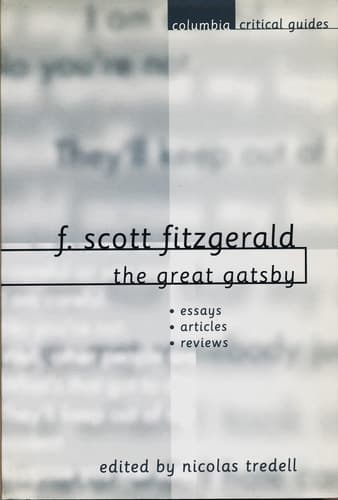
F. Scott Fitzgerald The Great Gatsby
by Nicolas Tredell
I know—same author, but hear me out. If you found yourself fascinated by Fitzgerald's dissection of wealth and desire in The Beautiful and Damned, Gatsby offers a more concentrated, almost crystalline version of those same obsessions. Where Anthony and Gloria sprawl across years of decline, Gatsby compresses the tragedy into a single, luminous summer, and the prose reaches even greater heights of lyricism.
View book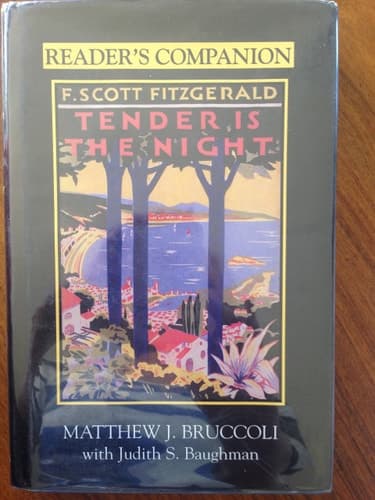
Reader's Companion to F. Scott Fitzgerald's Tender Is the Night
by Matthew Joseph Bruccoli
Actually, I apologize—I need to correct my previous recommendation. Let me offer you Tender Is the Night instead, which deepens the themes you loved without repeating Gatsby. Fitzgerald returns to the Riviera and explores how beautiful, talented people corrode from within through moral compromise and excess, with even more psychological depth than The Beautiful and Damned.
View book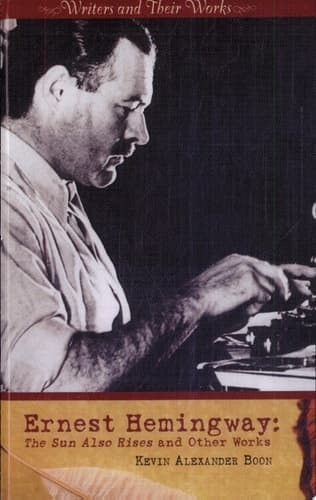
Ernest Hemingway The Sun Also Rises and Other Works
by Kevin Alexander Boon
Hemingway's debut captures the same post-war generation adrift in glamorous settings—Paris and Spain instead of New York—but his sparse, almost journalistic prose style creates a fascinating counterpoint to Fitzgerald's lushness. Both novels watch beautiful people self-destruct through alcohol and aimlessness, but Hemingway makes you feel the emptiness through what he *doesn't* say rather than what he does.
View book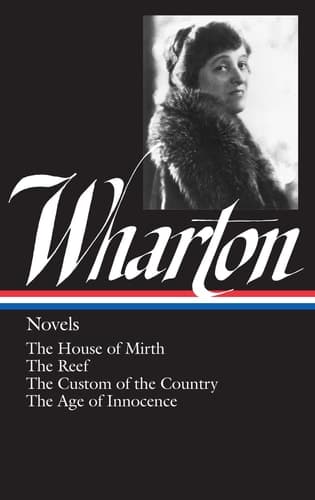
Edith Wharton: Novels (LOA #30) The House of Mirth / The Reef / The Custom of the Country / The Age of Innocence
by Edith Wharton
Published two decades before The Beautiful and Damned, Wharton's novel examines the same predatory machinery of wealth and social climbing, but through Lily Bart, a woman trapped by the very society that glitters around her. Where Fitzgerald's Anthony and Gloria are complicit in their own ruin, Wharton shows how the system itself manufactures tragedy—a darker, more structural critique that will deepen your understanding of what Fitzgerald was attempting.
View book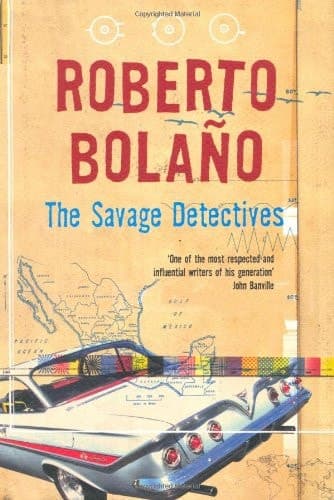
The Savage Detectives A Novel
by Roberto Bolaño
This is your curveball—a sprawling, postmodern novel from 1998 that seems nothing like Fitzgerald at first, but shares his obsession with beautiful, reckless people pursuing impossible dreams across geography and time. Bolaño writes about poets and drifters the way Fitzgerald wrote about the wealthy; both authors capture that intoxicating mixture of ambition, aestheticism, and self-destruction with a tenderness that makes the waste feel tragic rather than merely sordid.
View bookAbout F. Scott Fitzgerald
Biography coming soon.
View author page