Synopsis
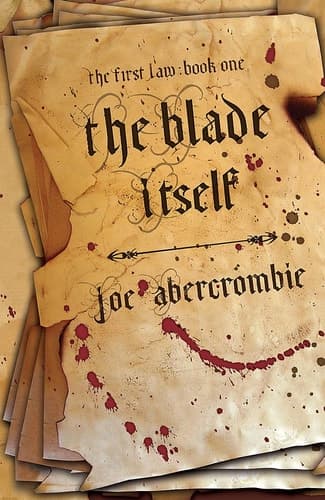
Logen Ninefingers, infamous barbarian, has finally run out of luck. Caught in one feud too many, he’s on the verge of becoming a dead barbarian – leaving nothing behind him but bad songs, dead friends, and a lot of happy enemies.
Nobleman Captain Jezal dan Luthar, dashing officer, and paragon of selfishness, has nothing more dangerous in mind than fleecing his friends at cards and dreaming of glory in the fencing circle. But war is brewing, and on the battlefields of the frozen North they fight by altogether bloodier rules.
Inquisitor Glokta, cripple turned torturer, would like nothing better than to see Jezal come home in a box. But then Glokta hates everyone: cutting treason out of the Union one confession at a time leaves little room for friendship. His latest trail of corpses may lead him right to the rotten heart of government, if he can stay alive long enough to follow it.
Enter the wizard, Bayaz. A bald old man with a terrible temper and a pathetic assistant, he could be the First of the Magi, he could be a spectacular fraud, but whatever he is, he's about to make the lives of Logen, Jezal, and Glotka a whole lot more difficult.
Murderous conspiracies rise to the surface, old scores are ready to be settled, and the line between hero and villain is sharp enough to draw blood.
Recommendations

The Name of the Wind
by Patrick Rothfuss
Like Abercrombie, Rothfuss builds his world through unreliable narration and character perspective—you're constantly reassessing what's true. The magic system here is intricate and earned rather than convenient, and there's that same dark undercurrent beneath what initially seems like a more traditional fantasy setup, where power corrupts and nobody's hands stay clean.
View book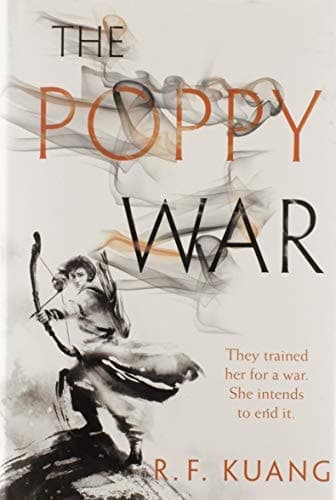
The Poppy War A Novel
by R. F. Kuang
Kuang shares Abercrombie's refusal to let readers hide behind moral comfort—her protagonist's descent into ruthlessness is unflinching and devastating. The military fantasy structure echoes The Blade Itself, but she weaponizes Asian history and shamanism in ways that feel genuinely fresh, and the body horror of magic use gives it that same visceral, unglamorous edge.
View book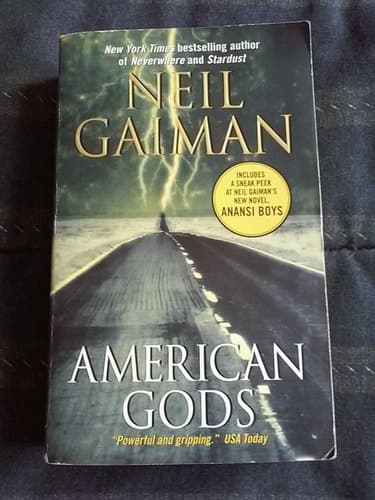
American gods
by Neil Gaiman
This is the curveball recommendation, but hear me out: both books are fundamentally about con artists and the stories we tell ourselves about power. Where Abercrombie uses multiple POVs to show how the same events look different depending on who's narrating, Gaiman uses American mythology the same way—nothing is quite what it seems, and the real game is always being played beneath the surface action.
View book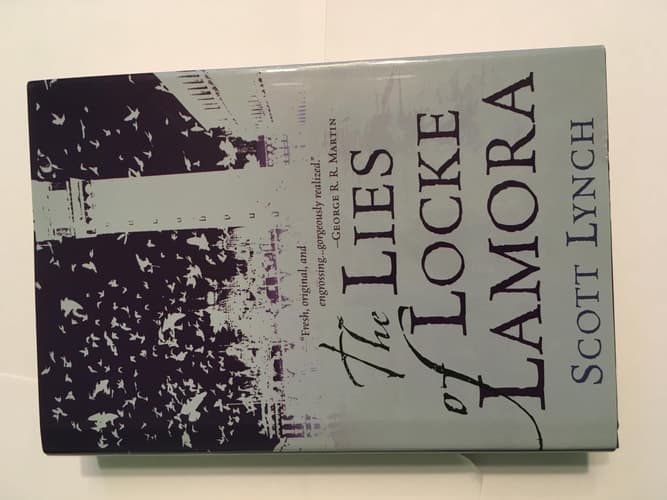
The Lies of Locke Lamora
by Scott Lynch
Lynch writes con-men the way Abercrombie writes warriors—with brutal competence and dark humor. The intricate plotting and multiple timelines create that same sense of pieces moving on a board, but Lynch leans harder into the camaraderie between his thieves, giving you moments of genuine warmth amid the betrayals and bloodshed that make the stakes feel higher.
View book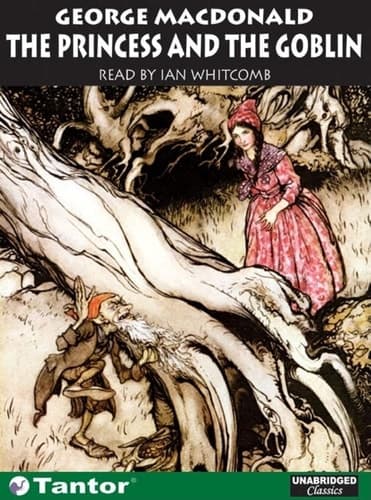
The Princess and the Goblin
by George MacDonald
A genuine surprise here: Addison writes court intrigue with the same paranoia and detail as Abercrombie, but her protagonist is fundamentally decent in ways that make his vulnerability more painful. Published in 2014, it shows how fantasy evolved post-Abercrombie—you get the political knife-fighting and the sense that everyone's playing a game, but the emotional core is about someone trying to be good in a system designed to corrupt him.
View bookAbout Joe Abercrombie
J
Joe Abercrombie
Born 1974
Joseph Edward Abercrombie is a British fantasy writer and film editor. He is the author of The First Law trilogy, as well as other fantasy books in the same setting and a trilogy of young adult novels. His novel Half a King won the 2015 Locus Award for best young adult book. Source: https://en.wikipedia.org/wiki/Joe_Abercrombie
View author page