Synopsis
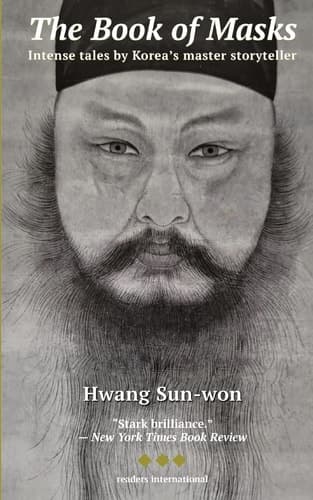
The long life and career of Hwang Sun-won (1915-2000) spanned the whole trajectory of modern Korean history - Japanese domination, WWII, ideological strife, the Korean War and harsh division of the country, industrialization, military dictatorships and the protests against them. These events are reflected subtly in his stories, always emphasizing the resilience of the Korean people.
Recommendations
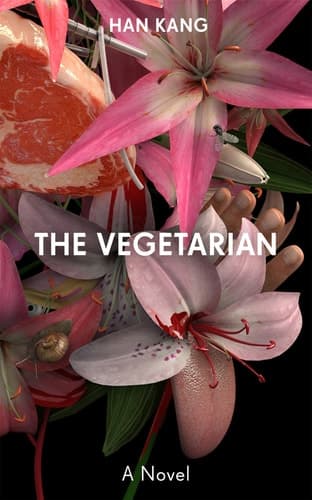
The Vegetarian A Novel
by Kang Han
Han Kang shares Hwang's gift for embedding Korea's turbulent modern history into intimate domestic moments, but she approaches it through a woman's quiet rebellion rather than sweeping narrative. Where Hwang's stories emphasize collective resilience, Han examines how personal acts of resistance ripple through family structures—the prose is more fragmented and dreamlike, but the underlying tension between individual will and social expectation feels like a natural evolution of what you just read.
View book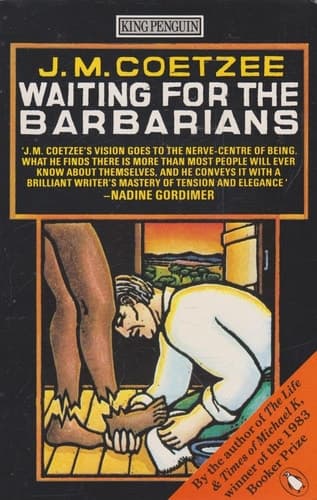
Waiting for the Barbarians
by J. M. Coetzee
Coetzee does something Hwang does beautifully—he uses a specific historical moment (an unnamed empire's frontier conflict) to explore how ordinary people become complicit in larger systems of oppression. The narrative voice is unreliable in ways that force you to question what you're being told, much like Hwang's subtle approach to ideology and power. This is from the 1980s, so it gives you a different era's meditation on similar themes of occupation and moral compromise.
View book
The remains of the day de Kazuo Ishiguro
by Gallix/François
Here's the surprise that isn't really a surprise once you think about it: Ishiguro's butler Stevens is performing a kind of mask throughout his entire life, much like the title of your book suggests. Both authors excel at showing how historical trauma gets internalized and rationalized by individuals who lived through it—Ishiguro just sets his story in post-WWII England rather than Korea. The restraint in both writers' prose styles means the emotional weight hits hardest in what's left unsaid.
View book
Escaping from the Prison-House of Language and Digging for Meanings in Texts Among Texts Metafiction and Intertextuality in Margaret Atwood's Novels Lady Oracle and the Blind Assassin
by Andrea Strolz
Atwood structures this novel as a series of revelations where you gradually understand that the narrator has been an unreliable guide to her own story—much like how Hwang's stories often contain hidden depths about what characters are really experiencing beneath the surface. Both writers are interested in how women navigate through historical upheaval (in this case, the Depression and WWII), and both use fragmented storytelling to suggest that truth is always more complicated than first appearances.
View bookAbout Hwang Sun-Won
H
Hwang Sun-Won
1915–2000
Biography coming soon.
View author page