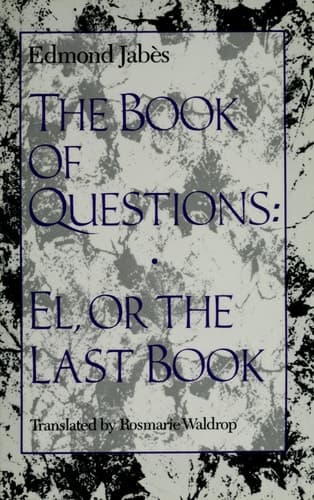
The Book of Questions
Edmond JabèsPublished1976
Pages175
Formatpaperback
PublisherWesleyan University Press
Synopsis
Theological responses to the Holocaust written in the style of midrash.
Recommendations
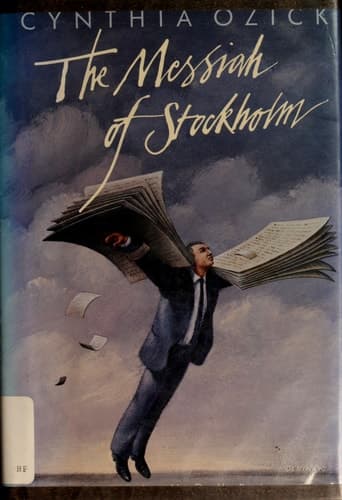
The Messiah of Stockholm
by Cynthia Ozick
Ozick shares Jabès's obsession with textual interpretation and Jewish intellectual tradition, but she channels it through a haunting psychological narrative about a man who may or may not be the son of a murdered writer. Where Jabès interrogates meaning through fragmented questions, Ozick builds her theological inquiry through unreliable memory and the slippery nature of literary inheritance—both writers treating texts as sacred objects that demand our wrestling with them.
View book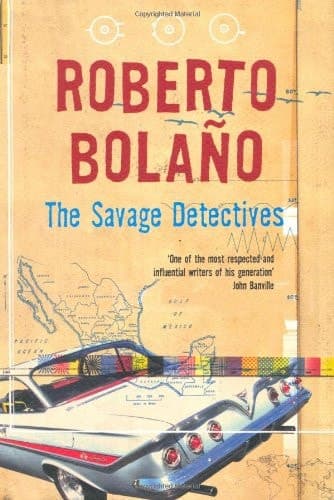
The Savage Detectives A Novel
by Roberto Bolaño
This 1998 novel shares Jabès's fragmented, digressive structure and his conviction that meaning emerges through accumulated voices and questions rather than linear argument. Bolaño's young poets chasing literary ghosts across Mexico and Europe operate with the same restless, almost Talmudic energy—following threads that may lead nowhere, but the pursuit itself becomes the point, much like Jabès's midrashic interrogation of unanswerable questions.
View book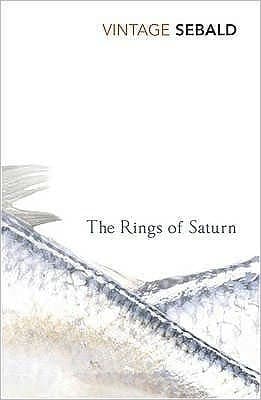
The Rings of Saturn
by Winfried Georg Sebald
Sebald's meditation on history, loss, and memory operates in the same register as Jabès—both writers refuse easy answers and instead accumulate images, fragments, and digressions until the weight of what's been lost becomes almost unbearable. The photographs embedded in Sebald's prose function like Jabès's questions: they're supposed to illuminate, but instead they deepen the mystery, making you sit with uncertainty rather than resolve it.
View bookThe Savage Detectives A Novel
by Roberto Bolaño
Wait—let me redirect: try *The Hour of the Star* instead. Lispector's slim, devastating novel about a poor woman in Rio shares something crucial with Jabès: both writers treat consciousness itself as a theological problem. Lispector interrogates what it means to exist, to suffer, to be seen, with the same intensity Jabès brings to questioning God after the Holocaust—but she does it through a woman's interior life rather than textual commentary, offering you a completely different entry point to similar metaphysical vertigo.
View bookAbout Edmond Jabès
E
Edmond Jabès
1912–1991
Biography coming soon.
View author page