Synopsis
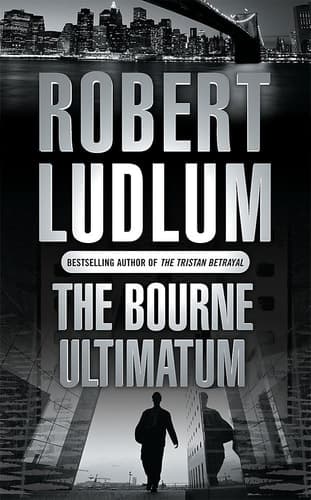
Counter The world's two deadliest spies in the ultimate showdown. At a small-town carnival two men, each mysteriously summoned by telegram, witness a bizarre killing. The telegrams are signed Jason Bourne. Only they know Bourne's true identity and understand the telegram is really a message from Bourne's mortal enemy, Carlos, known also as the Jackal, the world's deadliest and most elusive terrorist. And furthermore, they know that the Jackal wants: a final confrontation with Bourne. Now David Webb, professor of Oriental studies, husband, and father, must do what he hoped he would never have to do again -- assume the terrible identity of Jason Bourne. His plan is simple: to infiltrate the politically and economically Medusan group and use himself as bait to lure the cunning Jackal into a deadly trap -- a trap from which only one of them will escape.
Recommendations
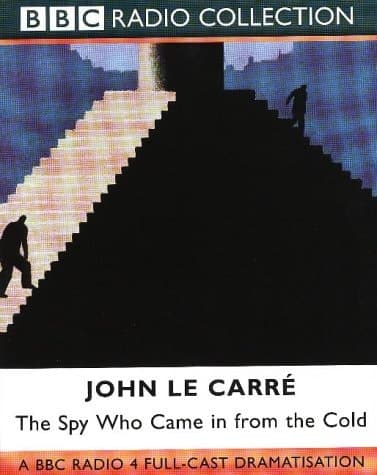
The Spy who Came in from the Cold Cassette Pack
by John Le Carré (Schriftsteller)
Le Carré strips away the glamour Ludlum gives espionage and shows you the moral rot underneath—your protagonist is exhausted, compromised, and questioning whether the game is worth playing. Where Bourne is a weapon being aimed at targets, le Carré's agents are people being used up by systems that don't care if they survive, which gives the cat-and-mouse game a bleaker, more psychologically devastating weight.
View book
Day of the Jackal
by Frederick Forsyth
Forsyth does what Ludlum does—meticulous plotting, a relentless assassin, competing intelligence agencies—but he structures it as a race where you know the destination and spend the entire book watching how the Jackal gets there. The procedural detail is almost meditative, and there's a cat-and-mouse dynamic that feels like two grandmasters playing chess rather than just action sequences.
View book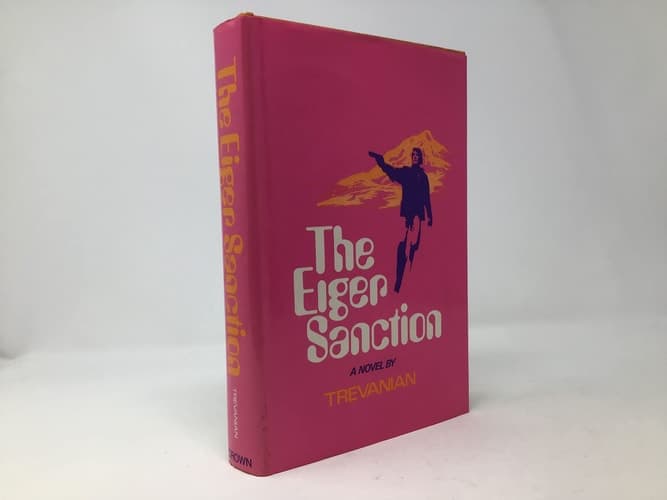
The Eiger Sanction
by Trevanian
This one's from 1972, and it has that same blend of espionage tradecraft and personal vendetta, but Trevanian writes with a wry, almost darkly comic sensibility—your protagonist is a reluctant killer with actual depth, not just a machine. The climbing sequences ground the action in real physical stakes, and the banter has a snap that makes you realize how much Ludlum relies on plot momentum rather than character voice.
View book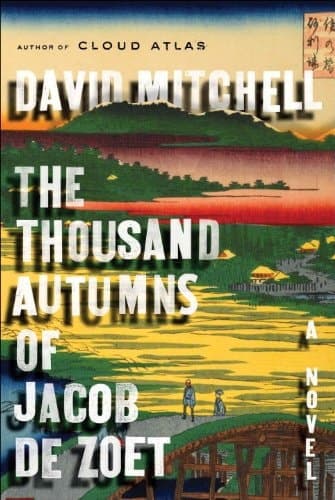
The Thousand Autumns of Jacob De Zoet A Novel
by David Stephen Mitchell
I know this seems like a left turn—it's historical fiction set in 1799 Japan—but Mitchell builds the same kind of intricate web of competing loyalties, hidden identities, and moral ambiguity that makes the Bourne books work. A young man must navigate between empires and ideologies while protecting his true self, and the slow-burn tension comes from language barriers and cultural misunderstanding rather than gunfire, which somehow makes it feel even more claustrophobic.
View bookAbout Robert Ludlum
R
Robert Ludlum
1927–2001
Robert Ludlum was an American author of 25 thriller novels. The number of his books in print is estimated between 290-500 million copies. They have been published in 33 languages and 40 countries. Ludlum also published books under the pseudonyms Jonathan Ryder and Michael Shepherd.<sup>[1][1]</sup> [1]: http://en.wikipedia.org/wiki/Robert_Ludlum
View author page