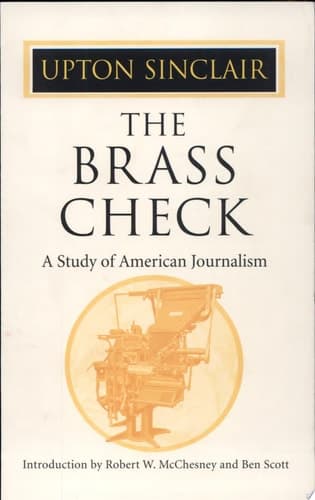
The Brass Check A Study of American Journalism
Upton SinclairPublished2003
Pages446
Formatpaperback
PublisherUniversity of Illinois Press
Synopsis
In this systematic critique of the structural basis of U.S. media -- arguably the first one ever published -- Upton Sinclair writes that "American journalism is a class institution serving the rich and spurning the poor." Likening journalists to prostitutes, the title of the book refers to a chit that was issued to patrons of urban brothels of the era.
Fueled by mounting disdain for newspapers run by business tycoons and conservative editors, Sinclair self-published The Brass Check in the years after The Jungle had made him a household name. Despite Sinclair's claim that this was his most important book, it was dismissed by critics and shunned by reviewers. Yet it sold over 150,000 copies and enjoyed numerous printings.
A substantial introduction to this paperback edition by Robert W. McChesney and Ben Scott asserts the book's importance as a cornerstone critique of commercial journalism and a priceless resource for understanding the political turbulence of the Progressive Era.
Recommendations
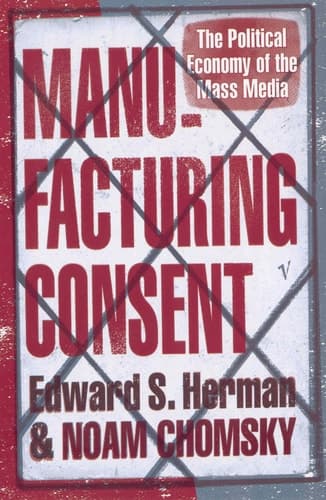
Manufacturing Consent The Political Economy of the Mass Media
by Edward S. Herman
Where Sinclair diagnosed the disease of corrupt journalism with moral outrage, Herman and Chomsky build a systematic framework showing *how* that corruption actually operates through propaganda filters. You'll recognize Sinclair's observations about class interests, but now with the architectural precision of how advertising, ownership, and sourcing create structural bias—it's like watching someone take apart the mechanism of the watch Sinclair was angry about.
View book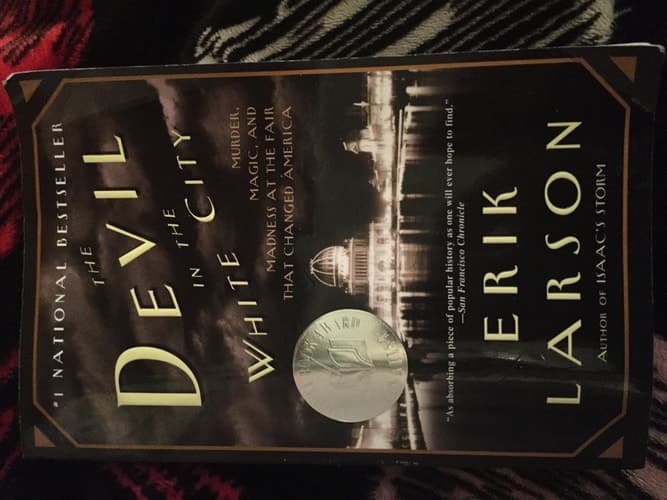
The Devil in the White City Murder, Magic and Madness at the Fair that Changed America
by Erik Larson
This is your surprise pick—it reads like a thriller, not a media critique—but Larson captures the exact same Progressive Era moment Sinclair was writing about, showing you the *world* that shaped The Brass Check: the newspapers sensationalizing murders, the wealthy industrialists controlling narratives, the gap between public perception and reality. You'll see journalism's corruption playing out in real time through a gripping narrative rather than polemic.
View book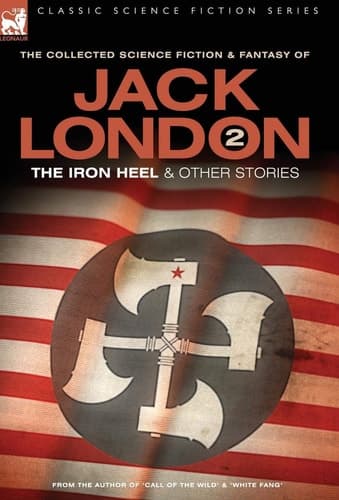
Jack London 2 - The Iron Heel and Other Stories
by Jack London
London was Sinclair's contemporary and fellow radical, but where Sinclair dissected journalism, London imagined what happens when corrupt media serves an oligarchic state unchecked—it's The Brass Check's dystopian endpoint. The novel uses newspaper excerpts and documents to show propaganda in action, making it a kind of companion piece that asks: what if nobody listened to Sinclair's warnings?
View book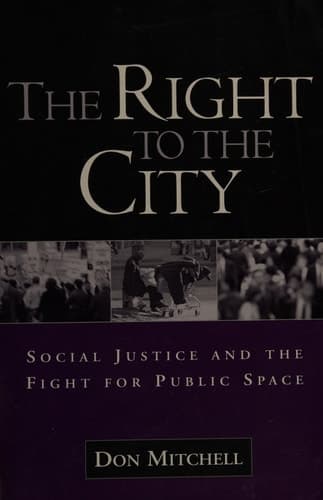
The Right to the City Social Justice and the Fight for Public Space
by Don Mitchell
Harvey writes about how capital shapes urban space and public discourse in ways that would make Sinclair nod in recognition—but he's working in 2008, looking at how media, real estate, and political power interlock in contemporary cities. It's a more theoretical take than Sinclair's muckraking, but it proves his core insight about class institutions still holds, just evolved.
View book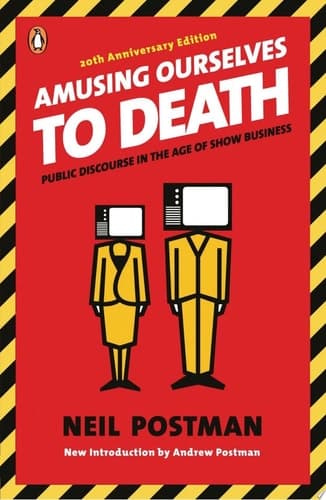
Amusing Ourselves to Death Public Discourse in the Age of Show Business
by Neil Postman
Postman argues that Sinclair's corrupt journalism has been replaced by something more insidious: entertainment masquerading as news. Where Sinclair saw deliberate lies from the powerful, Postman sees the medium itself—television, and now digital media—making serious critique nearly impossible. It's a meditation on whether Sinclair's warnings could even be heard in a culture that's learned to tune out anything that isn't entertaining.
View bookAbout Upton Sinclair
U
Upton Sinclair
1878–1968
Upton Sinclair, Jr., was a Pulitzer Prize-winning American author who wrote over 90 books in many genres. He achieved popularity in the first half of the 20th century, acquiring particular fame for his 1906 muckraking novel The Jungle. It exposed conditions in the U.S. meat packing industry, causing a public uproar that contributed in part to the passage a few months later of the 1906 Pure Food and Drug Act and the Meat Inspection Act. --Wikipedia
View author page