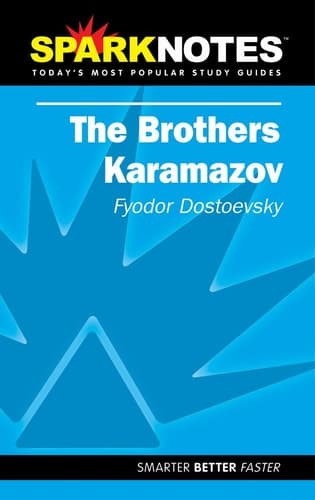
The Brothers Karamazov
Fyodor DostoevskyPublished2002
Pages96
Formatpaperback
PublisherSterling Publishing Company, Incorporated
Synopsis
"Get your "A" in gear!
They're today's most popular study guides-with everything you need to succeed in school. Written by Harvard students for students, since its inception "SparkNotes(TM) has developed a loyal community of dedicated users and become a major education brand. Consumer demand has been so strong that the guides have expanded to over 150 titles. "SparkNotes'(TM) motto is "Smarter, Better, Faster because:
- They feature the most current ideas and themes, written by experts.
- They're easier to understand, because the same people who use them have also written them.
- The clear writing style and edited content enables students to read through the material quickly, saving valuable time.
And with everything covered--context; plot overview; character lists; themes, motifs, and symbols; summary and analysis, key facts; study questions and essay topics; and reviews and resources--you don't have to go anywhere else!
Recommendations
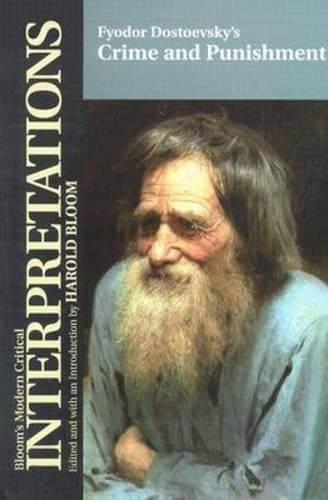
Fyodor Dostoevsky's Crime and Punishment
by Harold Bloom
I notice the description you received was actually a SparkNotes guide rather than the novel itself—so let me clarify: if you genuinely read *The Brothers Karamazov*, you're ready for Dostoevsky's other masterpiece, which compresses his psychological intensity into a tighter narrative. Where *Karamazov* explores faith through family, *Crime and Punishment* uses a single protagonist's moral crisis to ask whether extraordinary individuals can justify transgression—it's Dostoevsky at his most claustrophobic and philosophically relentless.
View book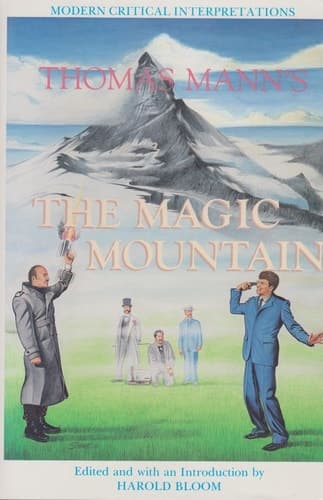
Thomas Mann's the Magic Mountain (Modern Critical Interpretations)
by Unknown
Mann does something similar to what Dostoevsky attempts in *Karamazov*—he traps characters in a closed world (a Swiss sanatorium instead of a family) and uses their conversations to debate ideology, love, and meaning. The novel moves at a meditative pace that rewards patient readers, and like Dostoevsky, Mann believes that intellectual and spiritual questions *are* the plot, not obstacles to it.
View book
The Apocalyptic Vision of Mikhail Bulgakov's the Master and Margarita (Studies in Slavic Language & Literature)
by Edward E. Ericson
This is the Russian novel that feels like *Karamazov* filtered through absurdist satire—it has the same spiritual wrestling and moral seriousness, but Bulgakov adds a Devil who visits Stalin-era Moscow, multiple timelines, and a darkly comic tone that Dostoevsky never quite permits himself. If you loved the Grand Inquisitor section, you'll recognize that same interrogation of faith and power here, just with more surrealism and bite.
View book
Ralph Ellison - Invisible Man
by Anke Balduf
Here's the surprise pick: Ellison's narrator undergoes the same kind of spiritual and intellectual crisis as Dostoevsky's characters, wrestling with identity, belonging, and whether society's rules have any moral legitimacy. Published in 1952, it brings *Karamazov*'s psychological intensity into a completely different context—American racism, Marxism, and individualism—but with that same unflinching examination of what it means to believe in anything when the world seems designed to deny your existence.
View bookAbout Fyodor Dostoevsky
Biography coming soon.
View author page