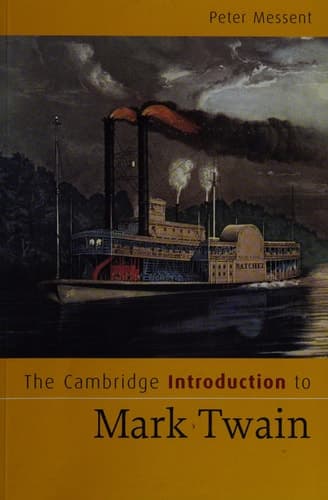
The Cambridge Introduction to Mark Twain
Peter MessentPublished2007
Pages152
Formatpaperback
PublisherCambridge University Press
Synopsis
Mark Twain is a central figure in nineteenth-century American literature, and his novels are among the best-known and most often studied texts in the field. This clear and incisive Introduction provides a biography of the author and situates his works in the historical and cultural context of his times. Peter Messent gives accessible but penetrating readings of the best-known writings including Tom Sawyer and Huckleberry Finn. He pays particular attention to the way Twain's humour works and how it underpins his prose style. The final chapter provides up-to-date analysis of the recent critical reception of Twain's writing, and summarises the contentious and important debates about his literary and cultural position. The guide to further reading will help those who wish to extend their research and critical work on the author. This book will be of outstanding value to anyone coming to Twain for the first time.
Recommendations
Mark Twain's The Adventures of Huckleberry Finn
by Unknown
I know this seems obvious given you've just finished a critical study, but now that you understand Messent's analysis of Twain's humor and his treatment of American identity, reading the novel itself will hit differently—you'll catch the layers of irony in the narrative voice and see exactly how Twain uses comedy to critique the society around Huck. It's the natural next step after understanding the critical framework.
View book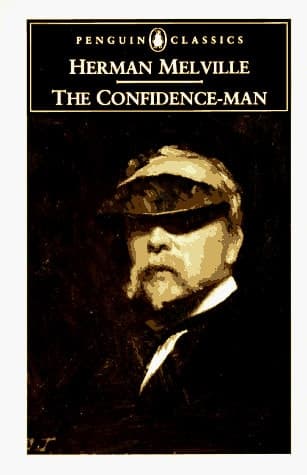
The Confidence-Man His Masquerade
by Herman Melville
Melville's con-artist narrative shares Twain's fascination with American types and social deception, but where Twain uses humor as a vehicle for moral clarity, Melville keeps you genuinely uncertain about what's real—it's like watching someone play the same game of manipulation that Twain anatomizes, but without the safety of the narrator's wit to guide you. Both writers are obsessed with how Americans fool themselves.
View book
The remains of the day de Kazuo Ishiguro
by Gallix/François
Here's the surprise: Ishiguro does something with understated irony and the gap between what a narrator says and what he actually reveals that echoes Twain's technique, but applied to a completely different cultural moment and emotional register. Where Twain's humor is explosive and confrontational, Ishiguro's is quiet and devastating—but both writers trust their readers to notice what's being hidden in plain sight.
View book
Ralph Ellison - Invisible Man
by Anke Balduf
Ellison was writing in the 1950s about American identity and racial deception in ways that directly engage with—and complicate—Twain's nineteenth-century treatment of these same themes. The novel uses vernacular voice and dark comedy much like Twain, but from a perspective that reveals what Twain's era couldn't fully articulate, making it a powerful dialogue across decades about what American literature has been grappling with.
View book
The Idiot
by Fyodor Mikhailovich Dostoevsky
A wild recommendation, but Dostoevsky's Prince Myshkin operates in Russian society the way Huck and Tom operate in American society—as a kind of innocent mirror held up to corruption and pretense—except Dostoevsky is far more pessimistic about whether goodness can survive contact with the world. If you're interested in how nineteenth-century writers used seemingly simple characters to expose social hypocrisy, this is the European counterpoint to Twain's American approach.
View bookAbout Peter Messent
Biography coming soon.
View author page