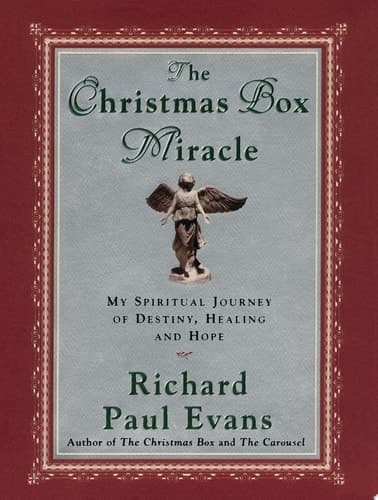
The Christmas Box Miracle My Spiritual Journey of Destiny, Healing and Hope
Richard Paul EvansPublished2001
Pages261
Formathardcover
PublisherSimon and Schuster
Synopsis
Since it was first published, more than seven million people have been touched by the magic of The Christmas Box, a holiday classic that is as beloved in our time asA Christmas Carol was in Dickens's.
When New York Times bestselling author Richard Paul Evans wrote The Christmas Box, he intended it as a private expression of love for his two young daughters, Jenna and Allyson. Though he often told them that he loved them, he didn't feel that they could ever really understand the depth of his feelings until they had experienced the joy of rearing their own children, and by that time their relationship would have changed forever. In writing The Christmas Box, he hoped that at some time in the future they would read the book and know of their father's love.
As Evans began to write, he was amazed at the inspiration that flowed into his mind and heart. He completed the moving story of a widow and the young family who comes to live with her in less than six weeks, and bound twenty copies to give as Christmas presents to family and friends. In the following weeks, those twenty copies were shared and passed along from family to family, from friend to friend, and what began as a tale for two little girls became a message of miracles, hope, and healing for people throughout the world.
Recommendations
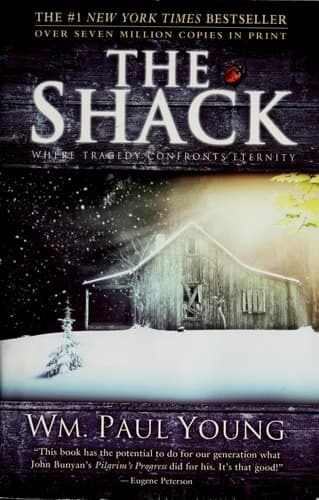
The Shack
by William P. Young
Like Evans, Young constructs a deeply personal spiritual narrative around a family tragedy, but he does it through an unexpected theological dialogue that unfolds in a single transformative weekend. Both books share that quality of feeling like intimate letters to the reader—Young's protagonist grapples with faith and forgiveness in ways that echo the healing journey Evans explores, but through a more philosophical, questioning lens.
View book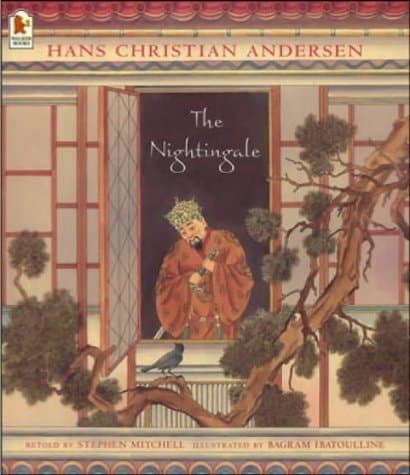
The Nightingale
by Hans Christian Andersen
Hannah writes about ordinary people discovering extraordinary courage during WWII France, and like Evans, she's masterful at showing how love—particularly between family members—becomes the anchor that holds us through impossible circumstances. Where Evans finds miracles in quiet domestic moments, Hannah finds them in acts of resistance and sacrifice, but both authors understand that hope isn't naive; it's earned through suffering and choice.
View book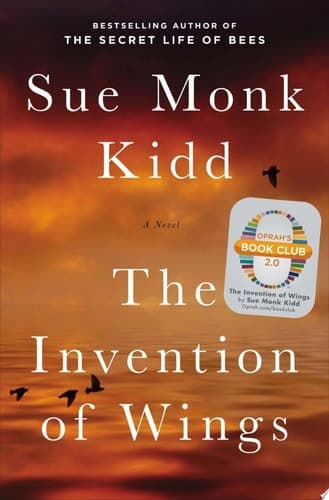
The Invention of Wings A Novel
by Sue Monk Kidd
This is my gentle surprise for you—it's historical fiction rather than contemporary spiritual memoir, but Kidd does something Evans does beautifully: she shows how individual stories of transformation ripple outward to touch others' lives. The parallel narratives of two women finding their voices and agency have that same undercurrent of quiet miracle-making, where personal awakening becomes a gift to the world.
View book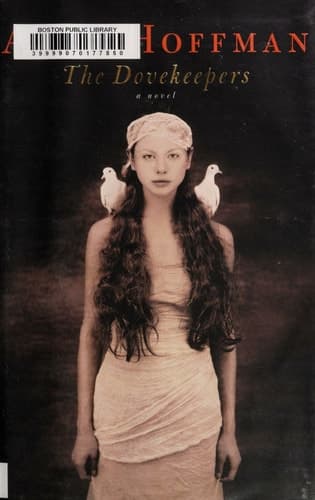
The Dovekeepers A Novel
by Alice Hoffman
Hoffman weaves together multiple perspectives across time to show how love and survival intertwine—much like Evans explores how a single act of kindness (a widow opening her home) creates ripples of grace. But Hoffman sets her story against the siege of Masada, so she's asking harder questions about faith when circumstances are far darker than Evans's domestic miracles, yet she arrives at similarly profound conclusions about human resilience.
View book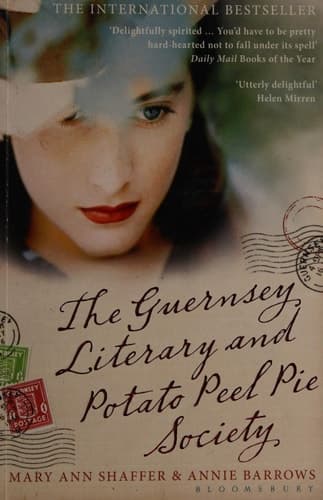
The Guernsey Literary and Potato Peel Pie Society By Mary Ann Shaffer, Annie Barrows
by Author
Published in 2008, this epistolary novel captures something Evans understood instinctively: that communities form around shared stories and that healing happens when we're truly witnessed by others. The book unfolds through letters between a writer and islanders who survived WWII occupation, and like The Christmas Box, it's fundamentally about how stories themselves become the mechanism for hope and connection.
View bookAbout Richard Paul Evans
R
Richard Paul Evans
Born 1962
Richard Paul Evans is an American author best known for writing *The Christmas Box* and, more recently, the Michael Vey series. Evans, a member of the Church of Jesus Christ of Latter-day Saints, lives in Salt Lake City, Utah, with his wife Keri, five children, and one grandson. Evans graduated with a B.A. from the University of Utah in 1984. While working as an advertising executive, he wrote a Christmas story for his children. Unable to find a publisher or an agent, he self-published the work in 1993 as a paperback novella entitled *The Christmas Box* and distributed it to bookstores in his community. The next year *The Christmas Box* hit #2 on the *New York Times* Best Seller list. Released in hardcover in 1995, *The Christmas Box* (Simon & Schuster) became the first book to simultaneously reach the #1 position on the *New York Times* Best Seller List for both paperback and hardcover editions. That same year, the book was made into a television movie of the same title. Evans has subsequently written 36 nationally best-selling books, including some for children, with conservative Christian themes and appealing to family values. His 1996 book *Timepiece* was made into a television movie, as were *The Locket* (1998), *A Perfect Day* (2006), *The Mistletoe Promise* (2016), and *The Mistletoe Inn* (2017). In 1997, Evans founded Christmas Box House International, an organization devoted to building shelters and providing services for abused and neglected children. As of 2017, more than 35,000 children had been served by Christmas Box House facilities. Source: [Wikipedia](https://en.wikipedia.org/wiki/Richard_Paul_Evans)
View author page