Synopsis
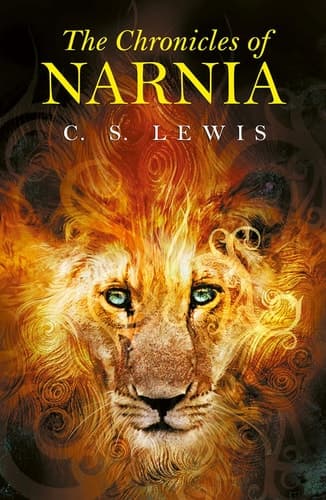
The Chronicles of Narnia have enchanted millions of readers over the last fifty years and the magical events described in C.S. Lewis's immortal prose have left many a lasting memory for adults and children alike.
All seven Chronicles are bound together in this new paperback edition.
The Chronicles of Narnia have enchanted millions of readers over the last fifty years and the magical events described in C.S. Lewis's immortal prose have left many a lasting memory. For here is a world where a witch decrees eternal winter; where there are more talking animals than people; and where battles are fought by Centaurs, Giants and Fauns.
Recommendations
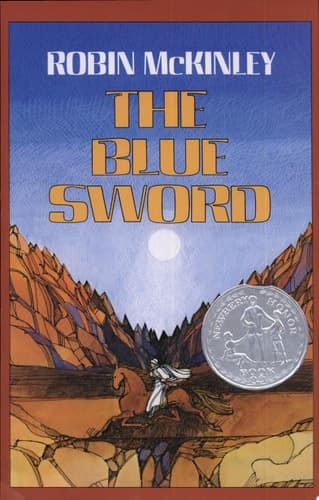
The Blue Sword
by Robin McKinley
McKinley builds her fantasy world with the same patient, immersive detail Lewis uses—you'll find yourself believing in the magic because the characters treat it as utterly ordinary. Like Narnia, this has that particular quality where a young protagonist discovers they belong to a world far richer than their own, but McKinley grounds it in a more grounded, almost anthropological approach to how magic and society interweave.
View book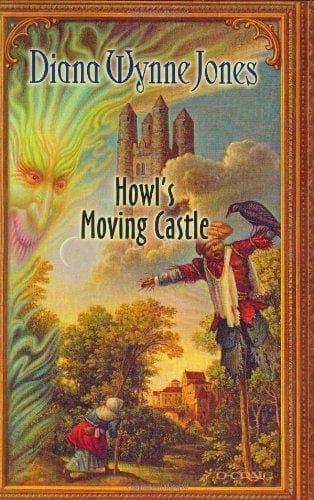
Howl's Moving Castle
by Diana Wynne Jones
Jones has that same playful, digressive narrative voice as Lewis—she'll pause mid-adventure to explain the peculiar logic of her world's magic system, and somehow it's delightful rather than tedious. The novel is stuffed with the same kind of whimsy you find in Narnia (a castle that moves between worlds, a fire demon with opinions), but filtered through a more mischievous, almost comedic sensibility.
View book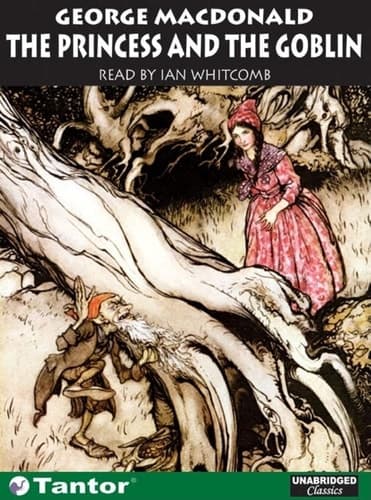
The Princess and the Goblin
by George MacDonald
This is my gentle surprise for you—it's fantasy, yes, but it's more interested in court intrigue and kindness than battles and prophecies. What it shares with Narnia is that same sense of wonder at discovering an entirely functional magical society with its own rules, hierarchies, and cultures. Addison writes with a warmth toward her characters that echoes Lewis's affection for his creations, and the pacing has that same unhurried, almost cozy quality despite the high stakes.
View book
The Phantom Tollbooth
by Norton Juster
Published in 1961, this predates much modern children's fantasy, and it shares Lewis's gift for making intellectual concepts feel like genuine adventures—kingdoms of words and numbers, a city of Dictionopolis. Where Narnia uses talking animals and mythological creatures, Juster uses puns and wordplay as his magical currency, but both authors trust young readers to follow them into genuinely strange, semantically playful worlds.
View book![Cover of Giovanni Ba[t]tista Piranesi The Prisons (le Carceri)](/_next/image?url=https%3A%2F%2Fcovers.whatshouldireadnext.com%2Feditions%2F9780486215402%2Flg.jpg&w=3840&q=75)
Giovanni Ba[t]tista Piranesi The Prisons (le Carceri)
by Giambattista Piranesi
Clarke's novella has that same quality of stepping into a world whose rules you must gradually understand—like entering Narnia, you're disoriented at first, but the author is patient and precise about revealing how things work. It's more mysterious and unsettling than Lewis, with a literary density that rewards rereading, but both works share an almost architectural approach to worldbuilding, where the physical space itself becomes a character.
View bookAbout Clive Staples Lewis
Biography coming soon.
View author page