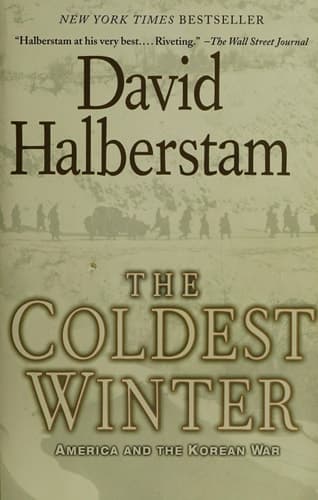
The Coldest Winter America and the Korean War
David HalberstamPublished2007
Pages736
Formathardcover
PublisherHyperion Books
Synopsis
"In a grand gesture of reclamation and remembrance, Mr. Halberstam has brought the war back home."
Recommendations
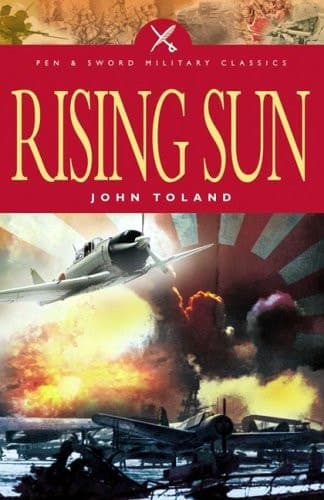
The Rising Sun The Decline and Fall of the Japanese Empire, 1936-1945
by John Toland
Toland brings the same meticulous archival research and intimate human portraits to WWII that Halberstam applied to Korea, but he goes further by weaving together Japanese and American perspectives to show how catastrophic miscalculations happened on both sides. You'll find that same sense of tragic inevitability—leaders making decisions that seemed rational at the time but led inexorably toward disaster.
View book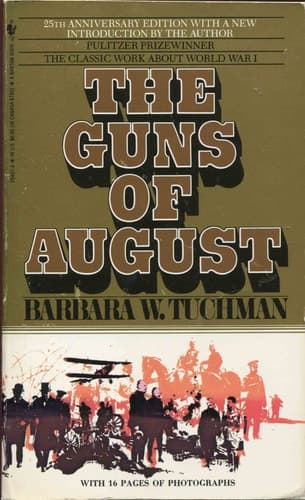
The Guns of August
by Barbara Wertheim Tuchman
Tuchman examines how Europe sleepwalked into WWI through a series of miscalculations and rigid military planning—it's essentially the same story Halberstam tells about Korea, but set thirty years earlier and with even more intricate geopolitical machinery. Her ability to make diplomatic cables and troop movements genuinely suspenseful rivals Halberstam's gift for narrative tension.
View book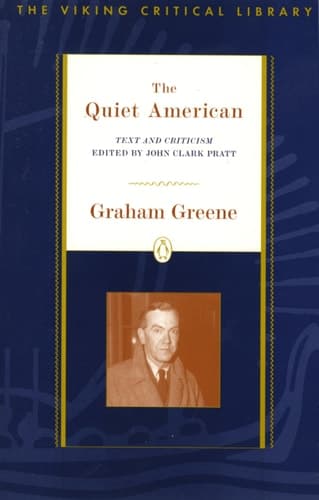
The Quiet American
by Graham Greene
Here's your genre surprise: a slim, devastating novel set in 1950s Indochina that captures the same moral ambiguity and unintended consequences of American Cold War interventionism that Halberstam documents in Korea. Greene was writing this as those events unfolded, and his portrait of American idealism colliding with geopolitical reality feels like the literary companion to Halberstam's historical reckoning.
View book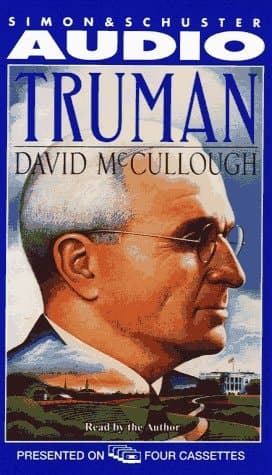
Truman
by David McCullough
McCullough's biography gives you the full portrait of the man at the center of Halberstam's Korean narrative, but with the intimate detail and psychological insight that only a comprehensive biography can provide. You'll understand not just what Truman decided, but why—and how the weight of those decisions shaped him personally in ways Halberstam's broader canvas couldn't fully explore.
View book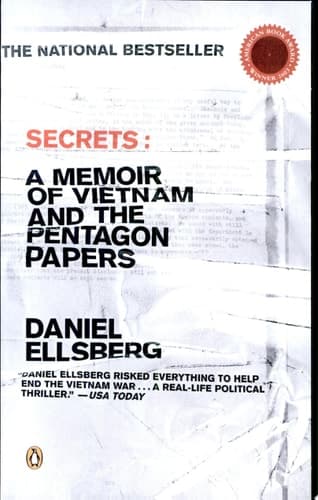
Secrets A Memoir of Vietnam and the Pentagon Papers
by Unknown
Sheehan's account of how the Pentagon Papers were obtained and what they revealed about Vietnam decision-making is the natural sequel to Halberstam's Korea book—it shows how the same patterns of miscalculation and institutional momentum repeated themselves a decade later. Sheehan writes with the same investigative rigor Halberstam brought to Korea, but with the added layer of examining how classified documents expose what officials claimed versus what they actually believed.
View bookAbout David Halberstam
D
David Halberstam
1934–2007
David Halberstam was an American journalist and historian, known for his work on the Vietnam War, politics, history, the Civil Rights Movement, business, media, American culture, and later, sports journalism. He won a Pulitzer Prize for International Reporting in 1964. In 2007, while doing research for a book, Halberstam was killed in a car crash. - Wikipedia
View author page