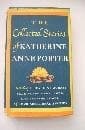
The Collected Stories of Katherine Anne Porter
Katherine Anne PorterPublished1965
Pages495
Formathardcover
PublisherHarcourt, Brace & World
Synopsis
Porter's reputation as one of americanca's most distinguished writers rests chiefly on her superb short stories. This volume includes the collections Flowering Judas; Pale Horse, Pale Rider; and The Leaning Tower as well as four stories not available elsewhere in book form. Winner of the National Book Award and the Pulitzer Prize.
Recommendations

Edith Wharton: Novels (LOA #30) The House of Mirth / The Reef / The Custom of the Country / The Age of Innocence
by Edith Wharton
Like Porter, Wharton dissects the interior lives of her characters with surgical precision, but she does it through the lens of social constraint and economic desperation. Both writers excel at that moment when a character's carefully maintained facade cracks, revealing the vulnerability underneath—except Wharton's New York society is even more unforgiving than Porter's fragmented modernist worlds.
View book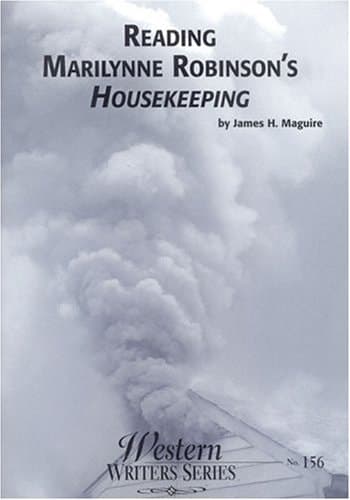
Reading Marilynne Robinson's Housekeeping (Boise State University Western Writers Series)
by James H. Maguire
Robinson writes with the same quiet intensity Porter brought to her best work, but she's working in the 1980s with a different kind of American landscape—the Pacific Northwest instead of the South and Mexico. Both writers treat domestic spaces and family relationships as sites of profound mystery, where small gestures carry enormous emotional weight, and both resist easy sentimentality.
View book
The Apocalyptic Vision of Mikhail Bulgakov's the Master and Margarita (Studies in Slavic Language & Literature)
by Edward E. Ericson
Here's your surprise: this 1960s Russian novel shares Porter's fascination with how power corrupts and how art survives in hostile environments, but it does it through magical realism and satire rather than psychological realism. The Devil walks through Soviet Moscow the way Porter's ghosts walk through her stories—both writers understand that the surreal and the mundane aren't opposites.
View book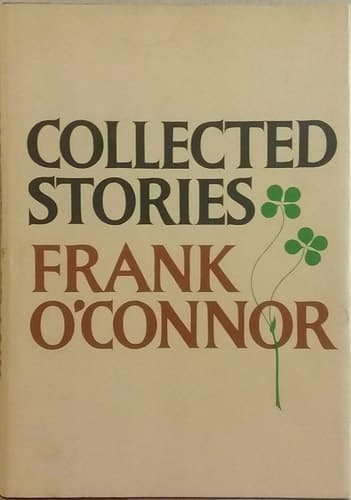
Collected Stories
by Frank O'Connor
O'Connor's grotesque Southern Gothic shares Porter's region and era, but where Porter tends toward psychological subtlety, O'Connor swings for the fences with violence and spiritual crisis. Both are masters of the short form who can devastate you in twenty pages, but O'Connor's characters are more likely to be actively deluded about their own nature, while Porter's are painfully aware.
View book
The remains of the day de Kazuo Ishiguro
by Gallix/François
Ishiguro does something Porter perfected: he lets you watch a character gradually understand their own life through the act of narration. His English butler's retrospective journey mirrors the way Porter's characters in stories like 'Flowering Judas' slowly recognize what they've done and who they've become—except Ishiguro stretches this recognition across an entire novel, making the reader complicit in the self-deception.
View bookAbout Katherine Anne Porter
K
Katherine Anne Porter
1890–1980
"Katherine Anne Porter was a Pulitzer Prize-winning American journalist, essayist, short story writer, novelist, and political activist. Her 1962 novel Ship of Fools was the best-selling novel in America that year, but her short stories received much more critical acclaim. She is known for her penetrating insight; her work deals with dark themes such as betrayal, death and the origin of human evil." - Wikipedia
View author page