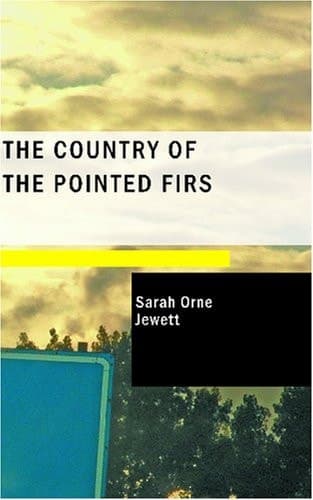
The Country of the Pointed Firs
Sarah Orne JewettPublished2007
Pages120
Formatpaperback
PublisherBiblioBazaar
Synopsis
This is a pre-1923 historical reproduction that was curated for quality. Quality assurance was conducted on each of these books in an attempt to remove books with imperfections introduced by the digitization process. Though we have made best efforts - the books may have occasional errors that do not impede the reading experience. We believe this work is culturally important and have elected to bring the book back into print as part of our continuing commitment to the preservation of printed works worldwide. This text refers to the Bibliobazaar edition.
Recommendations
The remains of the day de Kazuo Ishiguro
by Gallix/François
Like Jewett's narrator who gradually uncovers the depths of her small Maine community, Ishiguro's Stevens slowly reveals his inner life through careful observation and restraint. Both authors trust their readers to find profound emotion in quiet moments and the spaces between what's said—a butler's regret mirrors a visitor's dawning understanding of human complexity.
View book
Reading Marilynne Robinson's Housekeeping (Boise State University Western Writers Series)
by James H. Maguire
Robinson captures that same luminous quality Jewett brings to ordinary lives in remote places—here, two girls and their eccentric aunt in a decaying house by a lake become a meditation on belonging and loss. The prose has that same patient, almost elegiac attention to landscape and the ways people inhabit it.
View book
The Moonstone, by Wilkie Collins
by Jean-Pierre Naugrette
Here's your surprise: this 1868 mystery novel shares Jewett's fascination with how a community reveals itself through interconnected stories, but Collins uses the detective plot as his engine. Multiple narrators piece together what happened to a stolen diamond, much like how Jewett's visitor pieces together the emotional truths of Dunnet Landing—except with actual intrigue and secrets.
View book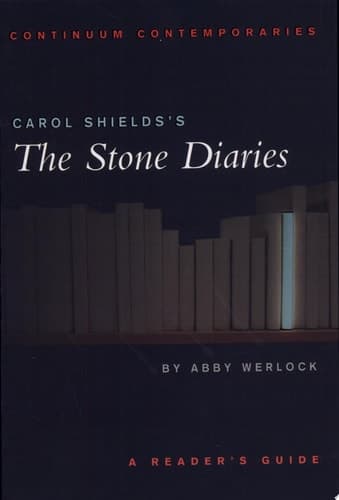
Carol Shields's The Stone Diaries A Reader's Guide
by Abby Werlock
Shields structures an entire life (and a century) through fragments—photographs, letters, diary entries—the way Jewett builds her portrait of Maine through accumulated encounters. Both writers find the extraordinary within domestic ordinariness, and both have that gift for making you care deeply about people society might overlook.
View book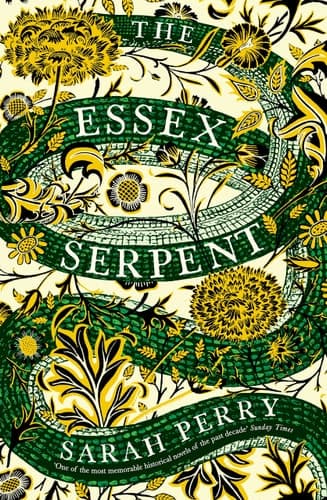
The Essex Serpent
by Sarah Perry
Perry sets her novel in 1890s Essex with the same meticulous attention to place and community that Jewett brings to Maine, but adds a speculative element—is there a creature in the estuary, or is it something people need to believe in? It's Jewett's realism meeting a ghost story's atmosphere, with equally rich character work and that same sense of a world about to change.
View bookAbout Sarah Orne Jewett
Biography coming soon.
View author page