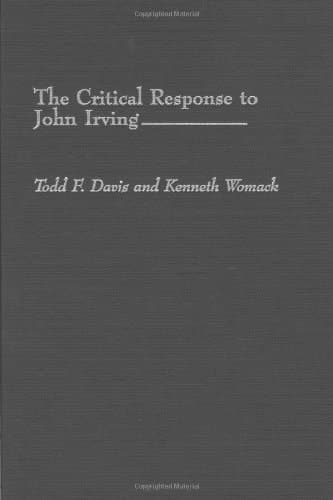
The Critical Response to John Irving (Critical Responses in Arts and Letters)
Todd F. DavisPublished2004
Pages236
Formathardcover
PublisherPraeger
Synopsis
The scholarly response to John Irving's novels has impinged upon a wide range of contemporary subjects of interest, from postmodernism and ethics to gender studies, the family, and historical criticism. This volume draws on a series of contemporaneous reviews and scholarly essays to provide the reader with an in-depth look at Irving's work.
This book devotes particular attention to the critical reception of Irving's ten novels from Setting Free the Bears through The Fourth Hand. The work is divided into eleven sections that address each of Irving's novels and the publication of his memoirs. Each section is accompanied by book reviews that reveal the nature of the novels' critical reception, as well as by scholarly essays that provide readers with an exemplary interpretation of each of Irving's works. Fully indexed, The Critical Response to John Irving includes an expansive introduction, a biographical chronology, and a bibliography for further reading.
Recommendations
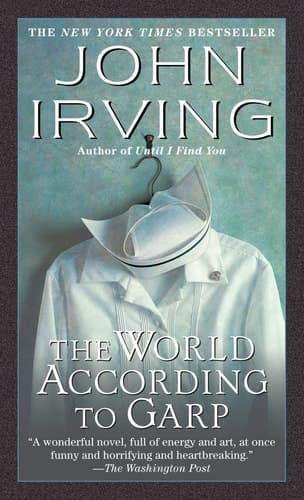
The World According to Garp
by John Irving
I know this seems circular, but since you've just finished a critical study *about* Irving rather than his actual novels, this is genuinely your next logical step. Garp showcases exactly what those scholarly essays were analyzing—Irving's ability to weave together dark comedy, family dysfunction, and unexpected tragedy in ways that feel both wildly entertaining and deeply philosophical. It's the perfect entry point to experience firsthand why Irving's work generates such rich critical conversation.
View book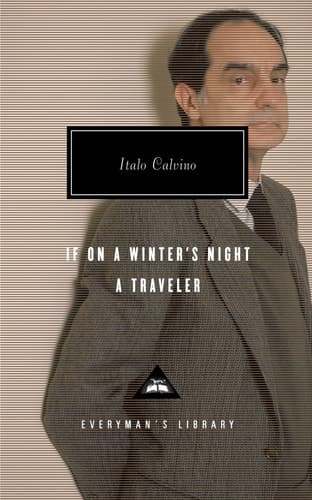
If on a Winter's Night a Traveler Introduction by Peter Washington
by Italo Calvino
You've been reading *about* literary criticism and interpretation, so you're primed for Calvino's metafictional playfulness—a novel that directly addresses you as a reader and plays with the act of reading itself. Like Irving, Calvino refuses to let his formal experimentation overshadow genuine emotional stakes, and the scholarly apparatus surrounding both authors' work reveals similar concerns with how narrative structure shapes meaning.
View book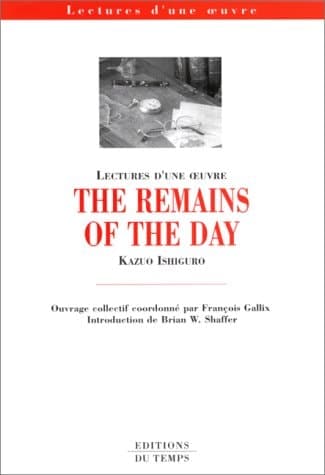
The remains of the day de Kazuo Ishiguro
by Gallix/François
This is my surprise pick for you—a quiet, introspective novel that shares Irving's interest in how personal history and ethics intertwine, but approaches it through restraint rather than Irving's maximalist chaos. The critical reception of Ishiguro's work similarly grapples with unreliable narration and moral complexity, and reading it after studying Irving's critical reception will show you how different novelists can explore remarkably similar thematic territory through entirely different formal strategies.
View book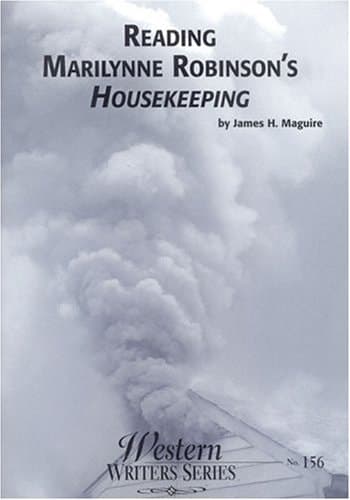
Reading Marilynne Robinson's Housekeeping (Boise State University Western Writers Series)
by James H. Maguire
Robinson's debut shares Irving's fascination with family as a site of both tenderness and strangeness, but filtered through a distinctly feminine perspective that gender studies scholars (like those in the Davis collection) would find particularly rich. The novel's meditative prose and its treatment of unconventional domestic arrangements offer a counterpoint to Irving's more exuberant style while maintaining that same commitment to taking emotional life seriously.
View book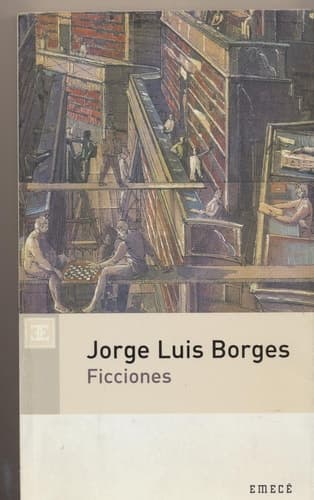
Ficciones
by Jorge Luis Borges
Since you've been immersed in critical *responses* to literature, Borges—who essentially invented the literary essay disguised as fiction—is essential. His stories about imaginary books and impossible libraries directly anticipate the kind of postmodern play that Irving employs, and reading Borges will deepen your appreciation for why Irving's formal innovations matter. This collection is from the 1940s, giving you that cross-decade perspective while showing you where contemporary literary playfulness originated.
View bookAbout Todd F. Davis
Biography coming soon.
View author page