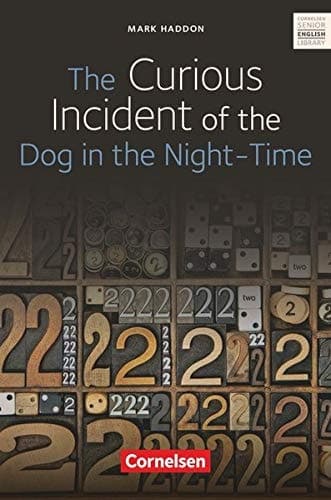
The Curious Incident of the Dog in the Night-time
Mark HaddonPublished2008
Pages260
Formatpaperback
PublisherCornelsen
Synopsis
Despite his overwhelming fear of interacting with people, Christopher, a mathematically-gifted, autistic fifteen-year-old boy, decides to investigate the murder of a neighbor's dog and uncovers secret information about his mother.
Recommendations
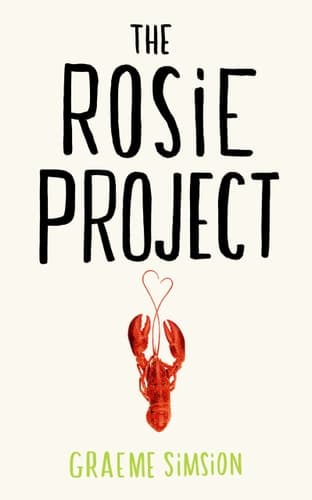
The Rosie Project
by Graeme C. Simsion
Don Tillman is a socially awkward genetics professor who approaches human connection with the same systematic logic Christopher applies to mathematics—except Don's rigidity keeps crashing against the messy reality of actual people. Simsion captures that particular loneliness of being brilliant but isolated with warmth rather than pity, and the mystery that unfolds has that same page-turning quality as Christopher's investigation, just with higher emotional stakes.
View book
Mr. Bean's Definitive and Extremely Marvelous Guide to France
by Robin Driscoll
This is your surprise pick—it's a crime narrative, yes, but told from inside the mind of someone whose logic is utterly alien to how most people think. Lindsay writes Dexter as someone who observes human behavior like an anthropologist studying a foreign culture, mimicking emotions he doesn't naturally feel. It's darker than Haddon, but that same fascination with how a brilliant mind can be fundamentally wired differently creates an almost unbearable tension.
View book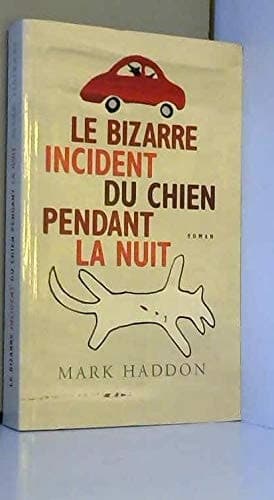
Curious Incident of the Dog in the Night-Time
by Unknown
Wait—different book, same title energy. Banks' *The Wasp Factory* (1984) predates Haddon's novel and shares that same unsettling intimacy with a young protagonist whose interior logic is both mathematically precise and deeply disturbing. It's from the 1980s, so you're getting a different era's approach to unreliable narration, and Banks trusts readers to sit with profound discomfort without explaining it away.
View book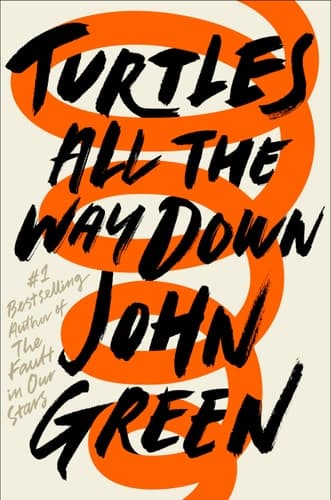
Turtles All the Way Down
by John Green
Aza's spiral into obsessive thought patterns—the way her mind gets stuck in loops she can't escape—captures something about neurodivergence that's less about being brilliant and more about being trapped. Green doesn't make her anxiety poetic or redemptive; it's just the exhausting reality of her brain working against her. The mystery plot is secondary to the internal experience, which gives it a completely different texture from *Curious Incident* while honoring the same specificity of mind.
View bookAbout Mark Haddon
M
Mark Haddon
Born 1962
Mark Haddon (born 26 September 1962) is an English novelist, best known for *The Curious Incident of the Dog in the Night-Tim*e (2003). He won the Whitbread Award, the Dolly Gray Children's Literature Award, the Guardian Prize, and a Commonwealth Writers' Prize for his work.
View author page